The new monarchs of Europe. A generation of educated, sports and independent princesses is preparing to redefine the monarchy


The recent abdication of the great Duke Henri of Luxembourg brought to the fore the young generation of heirs of European monarchies-a generation in which more women are in the direct line of succession.
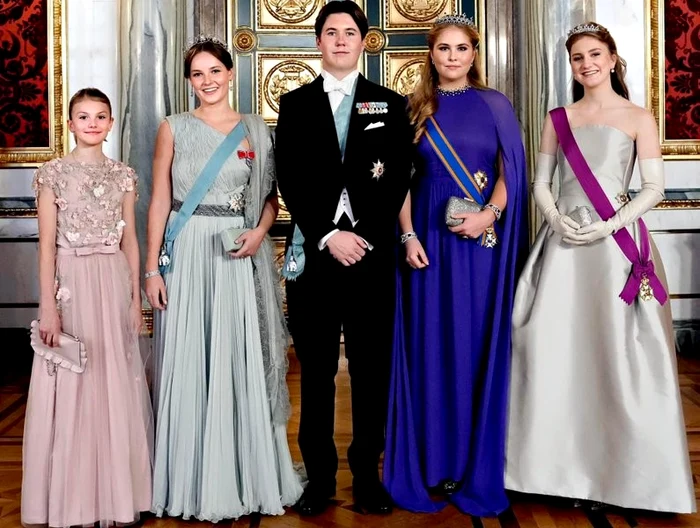
Five future European/photo monarchs: X
Unlike the past, the legislative changes in countries such as Belgium, Sweden and Norway now allow the prime-barred daughters to become monarchs, regardless of the existence of younger brothers. Currently, princesses from the Netherlands, Belgium, Spain or Sweden are preparing to take over the monarchical institutions – not only with title, but also with a solid academic, military and diplomatic training, writes the Daily Mail.
In Europe there are a total of ten monarchies: seven kingdoms (Belgium, UK, Denmark, Norway, Norway, Spain and Sweden), two principalities (Monaco and Liechtenstein) and a great duchy (Luxembourg). And in the near future, many of them will have, for centuries, for centuries.
Princess Catharina-Amalia of the Netherlands
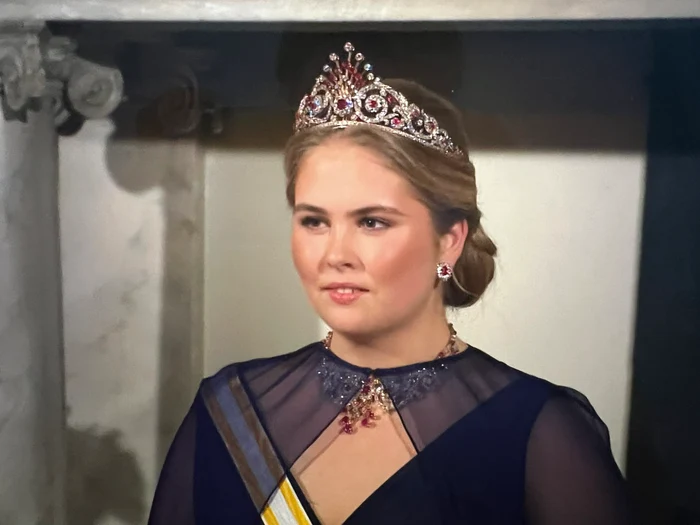
Catharina-Amalia, 21, is the eldest daughter of King Willem-Alexander and Queen Máxima. He became an official heir to the throne in 2013, after the abdication of his grandmother, Queen Beatrix. Also known as the “princess of Orania”, she chose to take a sabbatical year before starting her university studies, during which she refused the annual allowance of 1.6 million euros offered by the state-on the grounds that she does not feel comfortable accepting the money without fulfilling royal duties.
In the summer of this year, he graduated from the PPLE program (politics, psychology, law and economy) at the University of Amsterdam, although the official diploma was postponed due to an accident that delayed a final exam. In February, he represented for the first time he represented the royal family at an official event, signaling the beginning of a more active involvement in public life.
Princess Elisabeth of Belgia
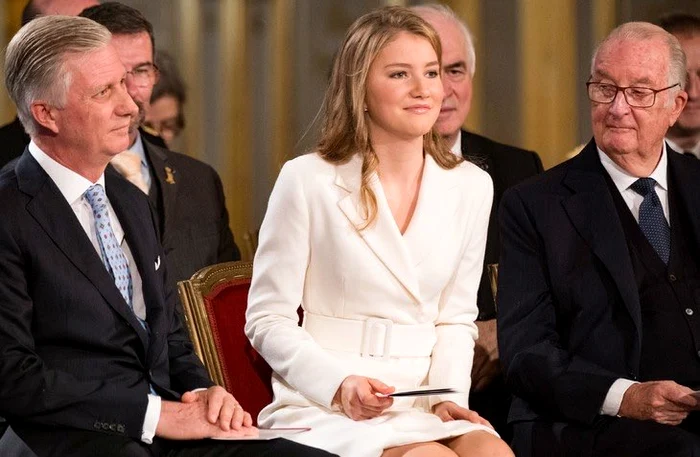
Elisabeth, a 23 -year -old Duchess, is the daughter of King Philippe and Queen Mathilde. She is the first woman in the history of Belgium who will access the throne due to the modification of the succession law in 1991. After graduating the prestigious Atlantic College in Wales, a one -year course in military and social sciences attended the Royal Military Academy.
Currently, he continues his academic training at Harvard Kennedy School, where he studies public policies. Fluent speaker of Neerzie, French, German and English, Elisabeth is also a passionate athlete, practicing skiing, tennis and diving. In recent years, he has begun to participate in more and more royal commitments with his parents.
Princess Leonor of Spain
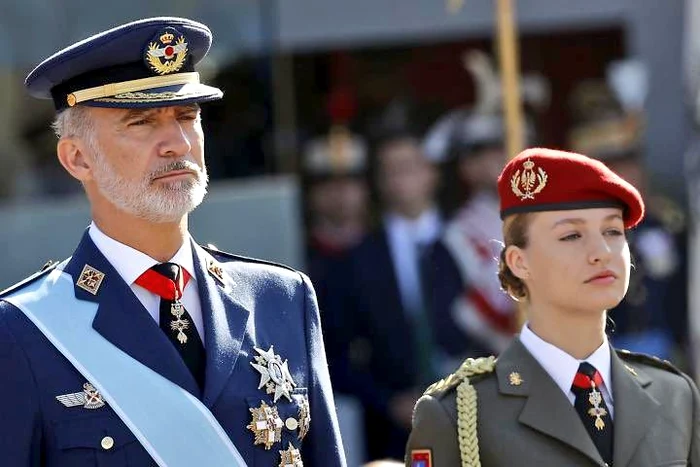
Princess Leonor, 19, is the daughter of King Felipe VI and Queen Letizia. According to the current law, it remains presumptive inheritors, but its position could be affected in the case of a brother, as Spain still applies the principle of male primogenitis. However, Leonor has been prepared from childhood for royal responsibilities.
Currently, there is a three -year program of military training, a mandatory stage for the future leader of the armed forces. Last year he graduated from the General Military Academy of Zaragoza, recently completed the naval training and follows the training at the Air Academy. He also made official visits to different regions of the country, signaling a gradual assumption of his future role.
The inherited princess Victoria of Sweden
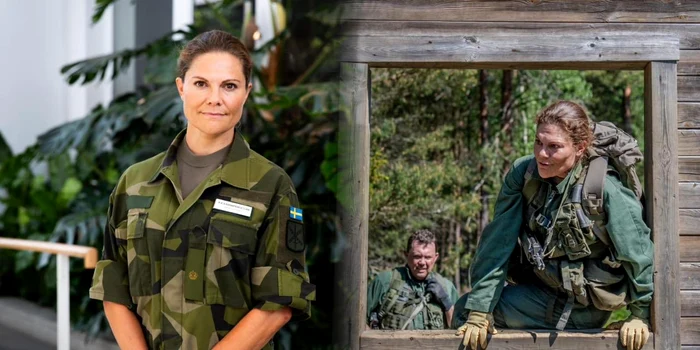
At the age of 48, Victoria is the daughter of King Carl XVI Gustaf and Queen Silvia. She is the first woman to reign in Sweden from Queen Ulrika Eleonora (1720). Over the last two decades, he has become an active member of the Royal Family, involving himself in diplomatic, environmental activities and as an ambassador to the United Nations Program (UNDP).
Currently, there is a special military training program for senior officers, a stage in his preparation for the role of head of state.
Princess Ingrid Alexandra of Norway
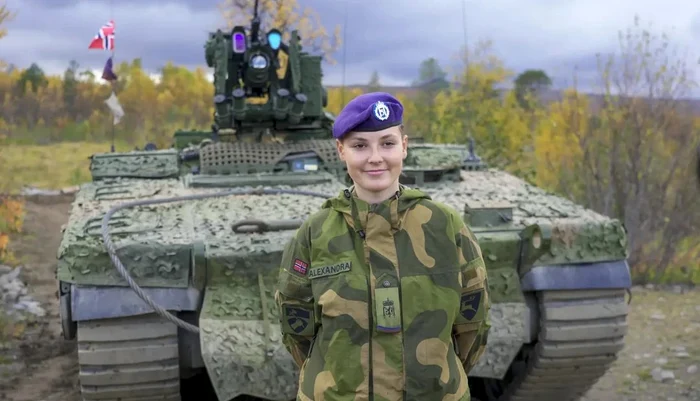
Princess Ingrid Alexandra, the daughter of the Haakon inheriting prince and Princess Mette-Marit, is the second in the line of succession to the throne of Norway. Thanks to the change of the law of succession in the 1990s, it will become the second rule of rule in the history of the country, according to Queen Margaret I, who reigned in the fourteenth century.
His parents tried to ensure a childhood as normal, initially enrolling in a local public school. Later, he studied in international institutions to improve his knowledge of foreign languages.
Male successors
In parallel with the ascension of the new generation of queens, several European princes are also in preparation for leadership roles. Among them are:
-The Prince Charles of Luxembourg, five years old, the son of the Grand Duke Guillaume and the great Duchess Stéphanie, who became a heir after the abdication of his grandfather.
-The Prince Jacques de Monaco, 10 years old, the son of Prince Albert II and Princess Charlene, who, although he has a twin sister, precedes it in the line of succession due to the Salic Law.
-The Prince Christian of Denmark, 19 years old, became a direct heir to the Danish crown after the abdication of Queen Margrethe II in January 2024.
-The Haakon Prince of Norway, currently a heir and a leader already consecrated internally and internationally, in the context of his father's old age, King Harald V (88 years).
-The Prince Alois de Liechtenstein, who serves as a regent of the country since 2004 and is actively involved in the state affairs with his father, Prince Hans-Adam II.
A new era for European monarchies?
The transition to a young generation, better educated and closer to contemporary values (such as sustainability, gender equality and civic involvement), suggests that European monarchies are in adaptation.
Whether we are talking about the refusal of financial privileges, military training or elite university studies, new heirs – especially women – seem to be prepared to redefine what symbolic leadership in the 21st century Europe.