Agreement between Hamas and Israel on the Gaza Strip. There is a reaction from the Ministry of Foreign Affairs

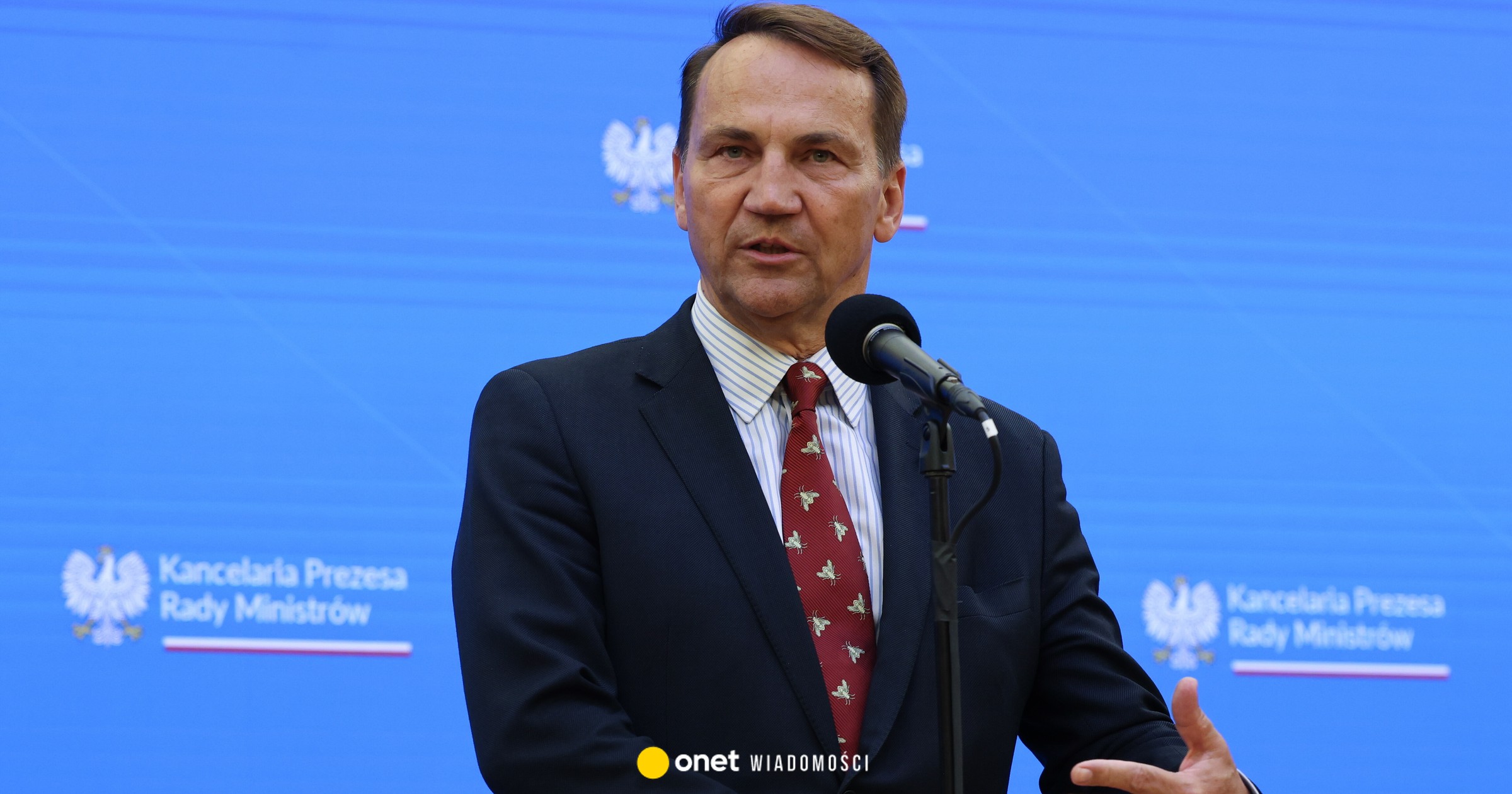
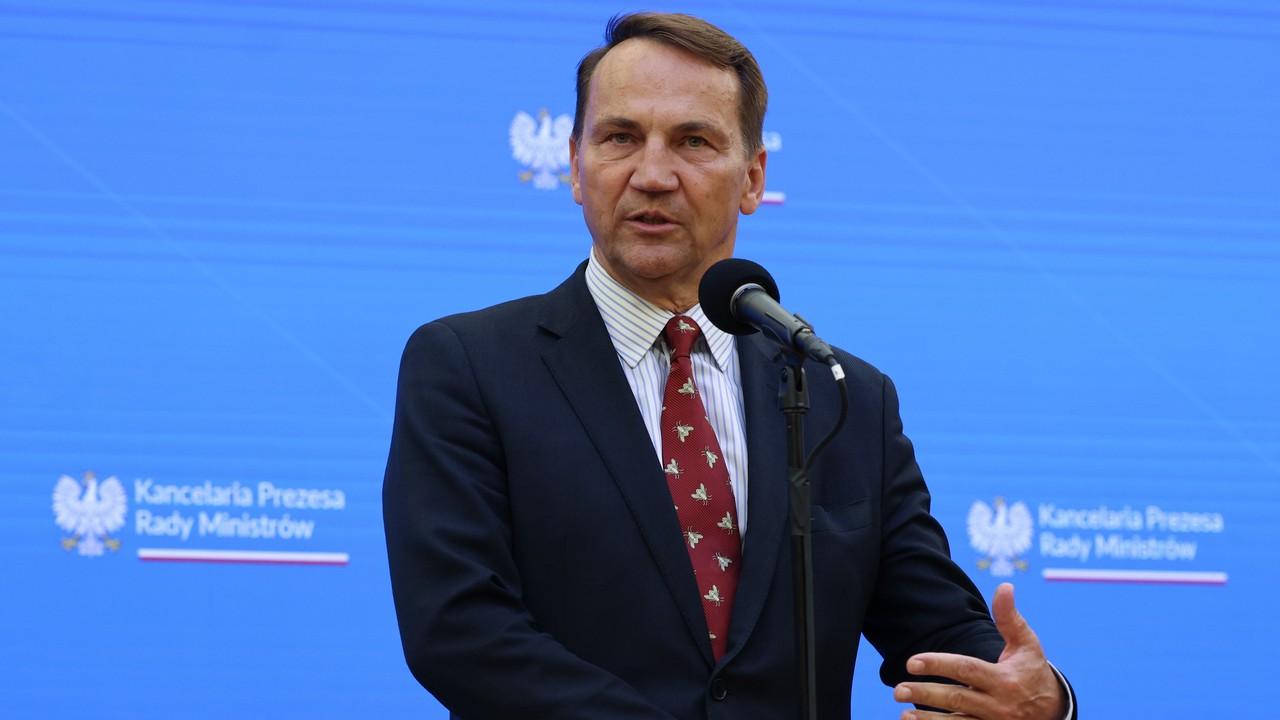
“We welcome with satisfaction the approval of the first phase of the peace agreement between Hamas and Israel and the signing of the agreement by both sides. We appreciate the key role played by President Donald Trump in bringing both sides to the negotiating table,” reads a statement published on the Ministry of Foreign Affairs website.
The article continues below the video
“We hope that the announced actions will actually lead to the release of all Israeli hostages, an end to hostilities and a humanitarian catastrophe,” we read further.
The Ministry of Diplomacy, led by Radosław Sikorski, emphasized that it hoped that “this historic step opens the way to a lasting solution to the conflict, ultimately leading to peace and the implementation of the idea of a two-state solution – for the good of all the inhabitants of the region.”
Israel's agreement with Hamas. Donald Trump's plan has 20 points
On Wednesday night, Trump announced that Israel and Hamas had agreed to the first stage of the plan, including the release of the hostages and the beginning of the withdrawal of Israeli forces.
The initial part of the agreement assumes an exchange of prisoners and Israel's withdrawal from part of the Gaza Strip. Details of the agreement, including a detailed description of the “first phase”, have not been made public. According to media leaks, it includes a suspension of fighting, the release of Israeli hostages and later imprisoned Palestinians, a partial withdrawal of Israeli troops and an increase in the inflow of humanitarian aid.
Qatari media reported that negotiations for the second part would begin after Hamas released the hostages.
These issues can be problematic
Even before the first part of the plan was accepted, commentators drew attention to issues that may pose problems in the negotiations. Diplomats from Egypt and Qatar, who mediate in the negotiations, also spoke about the need to clarify some provisions.
The plan does not specify a specific date by which Israel would withdraw from the Gaza Strip, and the terms of this process are subject to numerous reservations that allow for wide interpretation. Hamas has long declared that Israel leaving the Gaza Strip and permanently ending the war are necessary conditions for the release of the hostages. Netanyahu promised that Israel would maintain “security control” over the Gaza Strip.
The agreement does not clearly outline when and after meeting what requirements the Palestinian Authority would regain authority over the Gaza Strip. It also contained only a vague announcement of the possible creation of an independent Palestine.
Israel has so far opposed the participation of the Palestinian Authority in the management of the Gaza Strip after the war. The current government also excludes the possibility of creating an independent Palestine. The creation of such a state on the basis of the reformed Autonomy is supported by European and Arab countries that have expressed support for Trump's plan.
The agreement provides for the disarmament of Hamas. This is also one of Israel's main conditions for ending the war. Hamas representatives have so far said that while they can give up power over the Gaza Strip, they will not lay down their weapons.
They are to be released
Currently, 303 Palestinians are serving life sentences in Israel, many of them for organizing terrorist attacks that killed dozens of Israeli citizens. The plan is to release 250 of them.
Hamas has already provided a list of prisoners to be released. Israel declared that it would not allow the release of, among others, Marwan Barghuti. He is an activist of the Fatah conflict with Hamas, convicted of organizing terrorist attacks, and is considered one of the most talented Palestinian leaders who can unite the conflicting factions.