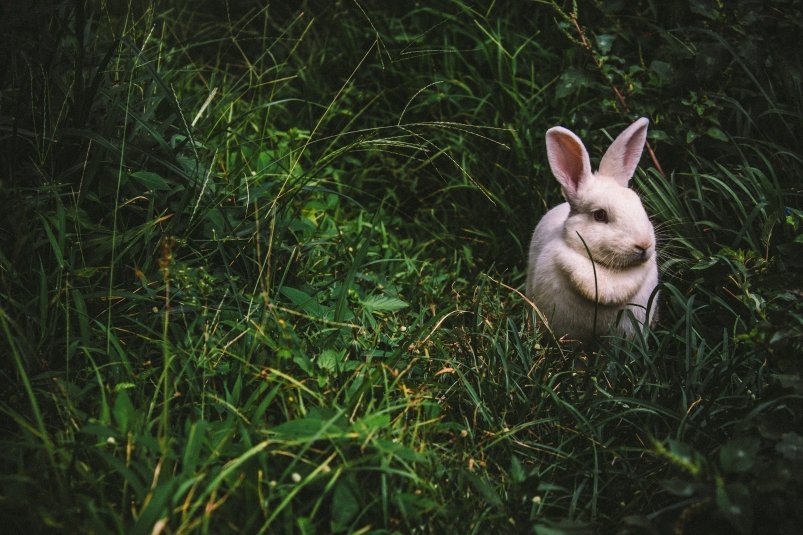
Every spring, summer residents face the same disaster: young apple, pear and plum trees are gnawed down to the very wood. It is not pests that are to blame for this, but hares and mice, which feed on bark in winter, especially if the snow is deep and there is no other food.
Mesh and roofing felt help, but they can easily be blown away by the wind or torn off by ice. But a proven folk method is tying the trunks with regular burlap or old tights.
Take old nylon tights, burlap or even newspapers, and carefully wrap the trunk from the very ground to the first skeletal branch (usually 50–70 cm). Secure with rope or twine, but not tightly, the wood should “breathe”.
The material creates a physical barrier that rodents cannot overcome. At the same time, it allows air to pass through, does not cause damping of the bark and does not interfere with growth.
Do this in October–early November, before the ground is frozen and the hares have not yet begun to actively search for food. When leaving the dacha, you will be sure: in the spring the trees will be intact and healthy.
Question and answer:
Why can’t you wrap trunks with film or roofing felt?
The film and roofing felt do not allow air to pass through, which is why the bark underneath them becomes damp in early spring. This leads to the formation of cracks and rotting, which is more dangerous than rabbit bites.
Does whitewashing help protect trees from hares?
No. Whitewash repels sunburn and some insects, but does not protect against rodents. The hares calmly gnaw the whitened bark. What is needed is a physical barrier.
Which trees are most affected by hares?
The most vulnerable are young apple trees, pears, plums, cherries and apricots. Mature trees with thick bark are usually not touched by rodents.