
One of the healthiest dishes in the world: tasty, centuries -old and good for fertility. How is it prepared

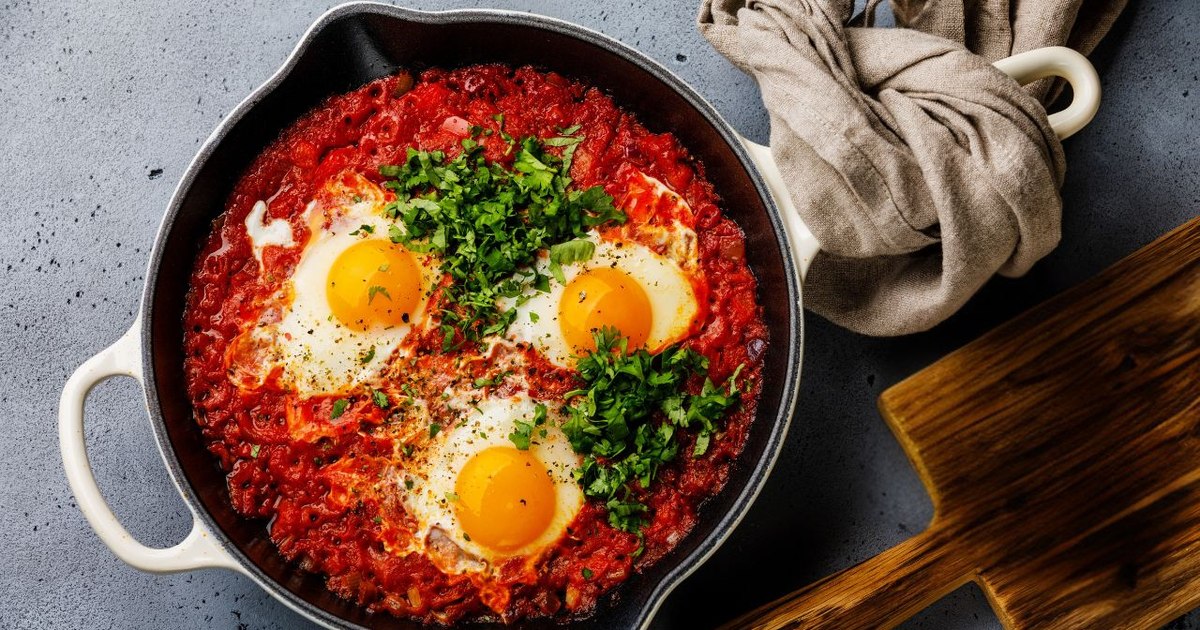
One of the oldest and at the same time one of the healthiest existing dishes, is a stew from North Africa that has spread over the centuries on all continents. It can be consumed at all times with extraordinary benefits for the body.
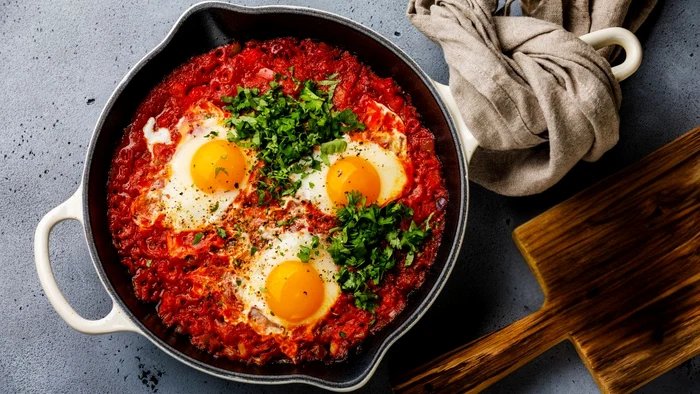
Shashuka Photo TheFertilitykithchen.com
Gastronomy has evolved and diversified over the centuries. In addition, reinterpreted imports, mixtures and loans have transformed the kitchen into a boundless universe. Obviously, the joy of the gourmets.
However, there are a series of dishes that manage to meet several criteria, that is, they have very old origins, they are absolutely delicious, they are easily cooked and they have extraordinary health benefits. Few culinary preparations can be praised that all these criteria meet. One of them is Shashuka, or in the language of the “mix”. Shakshuka is a culinary preparation born in the hot regions of North Africa but who later traveled throughout the East, and newer worldwide. In 2025, Shashuka is a super healthy and nourishing table at the reach of anyone and very fashionable including in the western European area. There are specialists who say it would be only good food to stimulate male fertility.
The stew of the desert, nourishing, spicy, provocative
First of all what is Shashuka? We have already clarified that it was a culinary preparation. But what kind? Well, it's an amazing stew by its simplicity. At first glance, few would understand why such a simple food is so famous. Until it tastes. Shashuka, due to the mixing of ingredients, but especially the hot spices of North Africa is a hard to forget until the last swallow. This stew originating in the Tunis-Libya area is simply prepared from a few basic ingredients. Use a large chopped onion, two peppers, a few cloves of garlic, six tomatoes, six large raw eggs. We must not forget the chimney spices, sweet pepper, coriander and little hot peppers.
“Start by the onions, peppers and garlic chopped with a little extra virgin olive oil in a large and thick pan. Season with salt and coriander, pepper, cumin and pepper. Cook for at least 5 minutes, stirring, until the vegetables are boiled, then add the red. Boil, then cover and boil over a low heat for about 15 minutes, then discover and cook for a few more minutes until the sauce thickens. “states the gastronomy specialists from “Mediterranean Dish”. When the sauce is ready, use the back of a spoon to create “pockets” in the thick sauce. The eggs are broken and flow in those prepared places. Cover the pan and allow the eggs to cook on a small fire in the sauce. It is served with a paste, ideal to be soaked in the thick, spicy and delicious sauce.
A few thousand years old food
Already everyone has noticed that Shashuka, the desert stew, is made very simple and fast, with ingredients at hand. It should be noted that this stew usually served by North Africa Africa is one of the oldest known dishes and survived in the modern world. Gastronomic specialists say that Shashuka is the food of the Amazigh population tribes, ie the northern Africa natives, the peoples with ties including in the prehistory of places, the free people of the desert. Here would be born Shashuka, in the “Amazigh Triangle”, that is, on the site of Tunisia, Libya and Algeria today.
For example, Raffy Chaddad, Tunisian culinary history attributes this dish to the first peoples in Tunisia, called Amazigh. He states that this food was born on a large area that extends from the east of Algeria and southern Tunisia to the northwestern part of Libya. In the language of these peoples of the desert, these amazigh, Shashuka means “everything mixed.” The original Shashuka was not with tomatoes or eggs. It was simply a mixture of vegetables that Amazigh tribes had at hand. Mandatory were onion, pepper, garlic but also specific spices. Later the tomato sauce appeared. More precisely after the discovery of the new world but also after the stay of John Baker, the British consul in Aleppo, in the Tunisia region.
It introduces the culture of the tomatoes in North Africa between 1799 and 1825, and Shashuka of the local tribes has gained even more flavor and density. The eggs appeared in Shashuka in the fifteenth century. Another culinary history, Charles Perry claims that the addition of eggs was influenced by the Arabs from Spain, from the province of Andalus.
Anyway, Shashuka is an extremely versatile preparation. The recipe was borrowed by the Jews from Egypt and then taken to the Asian continent, in the Middle East. Shashuka circulated very well in the Ottoman Empire. Each one added what he wanted for this preparation, keeping the initial idea and especially the spice mixture. For example, the Ottomans were making a Shashuka in which they slipped lamb minced meat. In other regions, spinach, parsley, eggplant, even feta cheese were also made.
Light, nutritious, extremely healthy
What makes Shashuka special, besides being delicious, accessible and versatile, is that it can be eaten throughout the day. That is, it can serve as breakfast, lunch or dinner. Moreover, he has health benefits. For example, tomatoes are a fantastic lycopene source, a powerful antioxidant that plays a key role in male fertility. Lycopene helps to protect sperm from oxidative stress, improving their motility but also the general quality. By neutralizing free radicals, it supports the maintenance of healthy cell membranes.
It is also important that the way the tomatoes are cooked in the recipe of Shashuka grow, say the specialists, the bioavailability of lycopene, being easier to absorb the body. In addition to tomatoes, eggs offer all nine essential amino acids that the body cannot produce alone and are vital for repairing and growing cells. In addition, eggs offer important nutrients such as choline, vitamin D, vitamin B 12. In turn, aromatic herbs such as coriander or parsley are a concentrated source of vitamins and minerals such as vitamin C, vitamin K and iron. We are not talking about the extraordinary benefits of garlic, including with anticancer properties.


