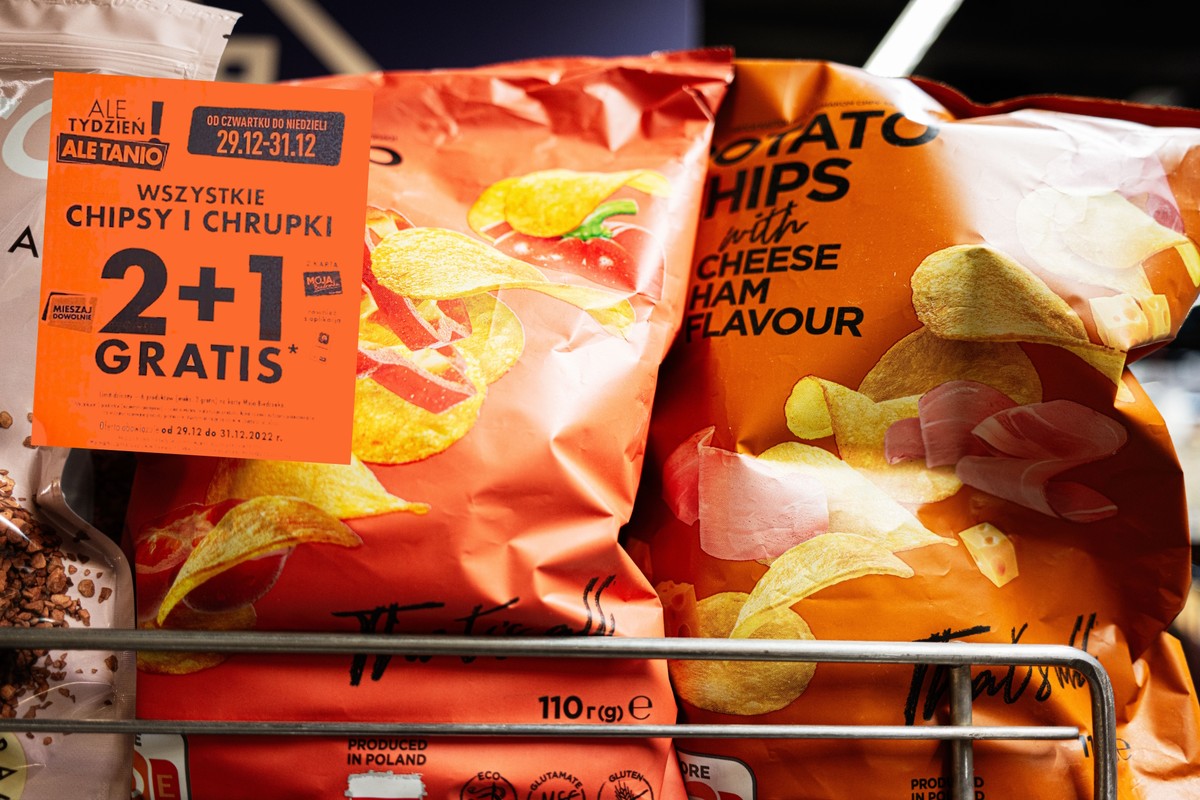
The next stage may be new regulations similar to those that have just entered into force in England. This sugar tax was implemented in 2018, we only from 2021, but now they are taking a step forward. Promotion prohibition provisions have already been considered for years, but have been delayed for some time due to the crisis related to maintenance costs. Now, however, the authorities have decided to implement them, arguing that they are necessary to improve public health. The regulations also include No free drinks of some drinks in restaurants and cafes.
In the following months, further restrictions are planned – from January introduced There will be bans on advertising less healthy food and drinks on television before 21:00 and total No online promotion. A spokesman for the Health and Social Welfare Department emphasized that these activities are to provide children with a healthy and happy start in life.
What are the new regulations?
The government of His Majesty has developed a special classification system that allows you to determine what products are considered unhealthy. In the case of drinks, it is primarily about sweetened carbonated drinks such as lemonade or cola. As for food, the list includes Chips, sweets, chocolates, ice cream, cakes, cakes, as well as some types of fish fingers and pizza.
Obesity indicators in England are growing rapidly. Currently, over a quarter of adults and one -fifth of children graduating from primary school are classified as obese. Ministers emphasize that restrictions are aimed at inhibiting this disturbing tendency.
Impact on society and the market
Greg Fell, president of the Association of Directors of Public Health, pointed out that the new regulations should not be treated as a universal solution to the problem, but they are a step that had to be taken earlier. Fell indicated that multi-buy promotions do not bring real savings to consumers, and even encourage larger expenses and impulsive purchases. In his opinion, these activities are aimed at normalizing more frequent buying unhealthy products.
Fell also expressed the hope that retailers will start to promote healthier products, which will make it easier for consumers to make more favorable nutritional choices. He pointed out that obesity indicators are currently a key factor of health inequalities, and people living in poorer regions are almost twice as vulnerable to obesity.
As BBC indicates, scientific evidence suggests that restrictions on the promotion and sale of unhealthy products can bring positive results. The study conducted by the University of Leeds at the beginning of this year analyzed Impact of the ban on the sale of unhealthy products in key places of stores, such as cash registers or entrances. Before the prohibition of 20 out of 100 products sold, it was considered unhealthy, while after changes this number fell to 19, which translates into two million less sold products per day. Scientists noticed, however, that other factors, including high inflation, could also have a decline in sales.
Industry reactions and further plans
Over the years, the food industry has lobbyed against the introduction of restrictions, but some retailers such as Sainsbury's and Tesco have already implemented their own rules for the promotion of unhealthy products. Andrea Martinez-Inchausti from the British Consortium of retailers emphasized that most members of the organization have already adapted to the new regulations. She noted that for these companies the changes will not be significant, and sellers support customers in making healthier choices by better determining calories, product composition modifications and portion control.
Wales plans to introduce similar restrictions next year, and Scotland announced that it will also go in this direction. Former Prime Minister Boris Johnson announced a nationwide ban on television ads with high sugar, salt and fat before 21:00 as early as 2021, but the date of its implementation was postponed to 2025. The current government explained this decision with the need to give the industry to preparing for changes in connection with the crisis of maintenance costs.
Among the postulates of experts, they also appear Proposals for tightening restrictions on sponsorship of sport and recreational events by producers of unhealthy food and increasing social investments in promoting an active lifestyle and improving the quality of meals in schools. Leo Messi and other players advertising chips will probably have a different opinion on this subject.