The “living goddess” of Nepal: the traumatic ritual through which the 2-year-old girl who is not allowed to reach the ground was chosen


A 2-year-old girl from Nepal was named the new goddess Kumari, thus continuing an old tradition, but intensely criticized by human rights organizations. The official investment ceremony is scheduled for October 1.
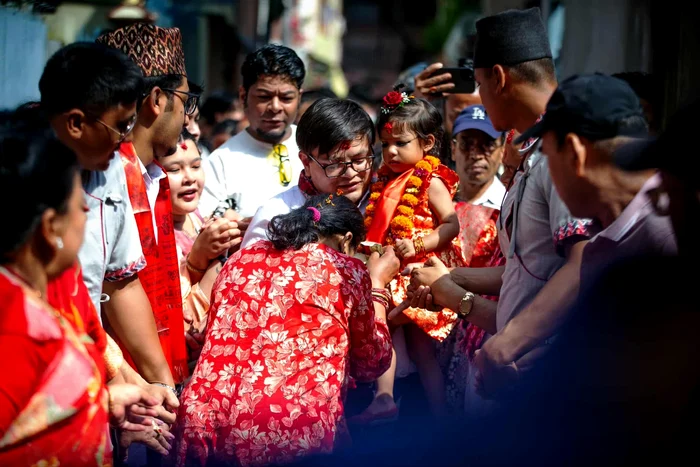
A 2-year-old girl from Nepal was named the new goddess Kumari. Photo: x/@nepalitimes
Aryatara Shakya, 2 years old, replaces Trishna Shakya, 11, who has played this role so far. Kumari's selection process is complex and controversial: children must come from the Shakya caste, and criteria include physical appearance, horoscope, but also a courageous evidence considered traumatic – the child is exposed during the night of scenes with sacrificed animals and masked men, to check if it manifests signs of fear.
The new Kumari will live in isolation in a Temple in Kathmandu until the first menstruation, at which point it is considered that the goddess Taju leaves his body. Parents can only visit it once a week, and in the rest, the little girl is revered as a living deity. Only in recent years, the little girls have received access to education, but returning to a normal life after this role is often extremely difficult.
According to tradition, Kumari never touches his feet and is worn on a golden palanquin during processions. Every year, the Prime Minister and the president of Nepal touch his hand painted in red to receive blessings. It is believed that a simple look by Kumari brings luck, and visitors interpret their gestures as predictments: crying would announce illness or death, tremor – prison, and taste offers – financial losses.