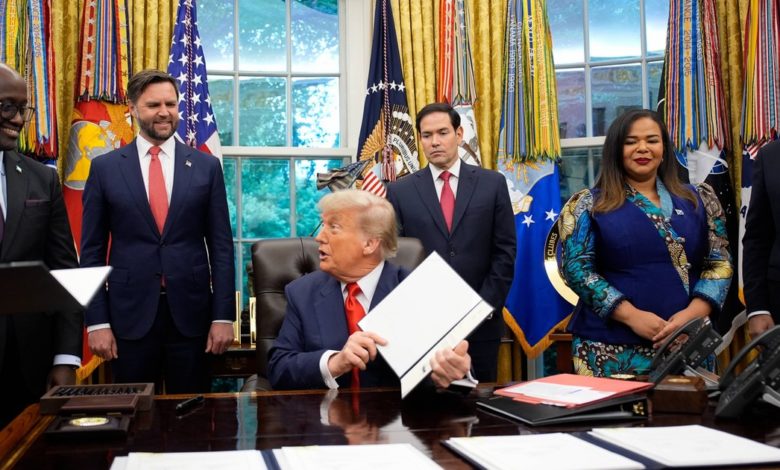
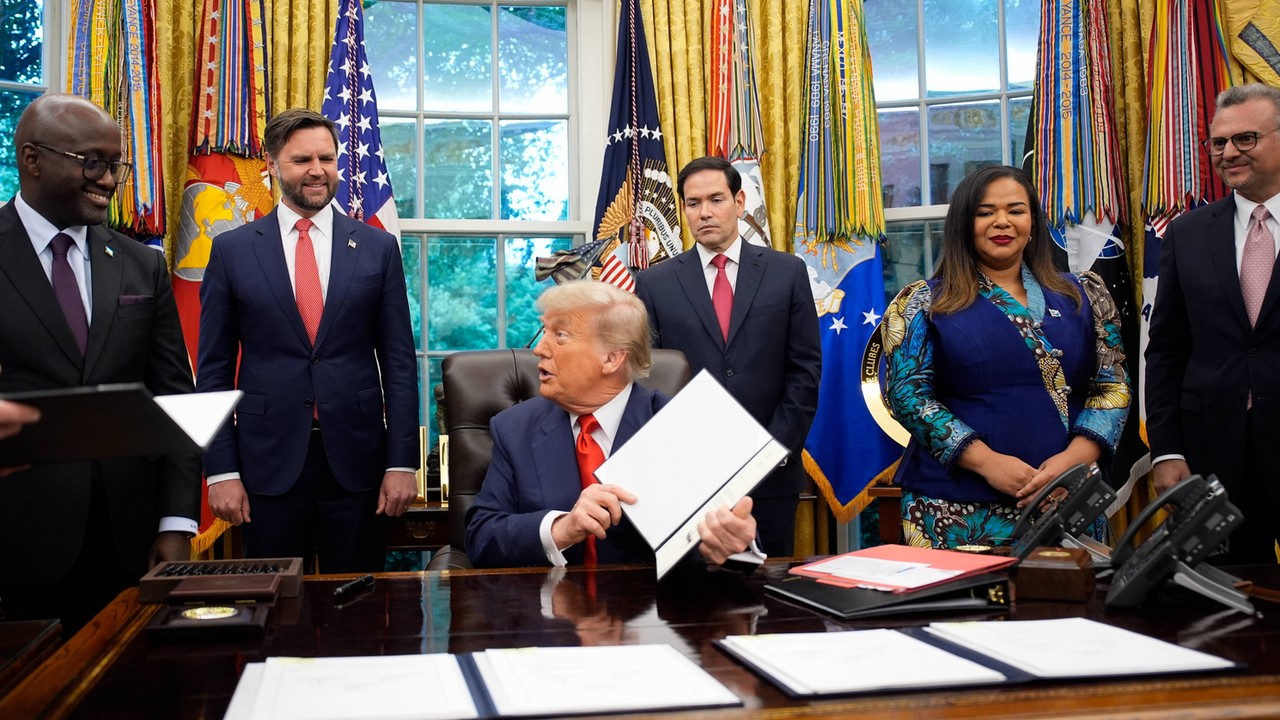
The peace agreement in the presence of the Secretary of State Marc Rubio, was signed in the Department of State Foreign Ministers of the Democratic Republic of Congo and Rwanda: Therese Kayikwamba Wagner and Olivier Nduhungirehe. The parties undertook to implement the agreement of 2024, according to which the Rwandan troops would withdraw from the eastern part of the Democratic Republic of Congo within 90 days.
To achieve this goal, the parties are to jointly develop a way of coordinating security activities and implement a plan to monitor and verify the process of leaving the Democratic Republic of Congo by Rwandan soldiers agreed last year.
According to the Reuters agency Negotiators from the Democratic Republic of Congo at the last moment gave up demanding the immediate leaving the eastern part of the country by the Rwanda armywhich paved the way to the Friday ceremony.
The US will gain the right to operate many minerals
The agreement also assumes that within 90 days Kinszas and Kigali will create a framework program of economic cooperation. Even before the conclusion of the Friday agreement, US President Donald Trump called the struggle of the Government forces of the Democratic Republic of Congo with the Rebels from the movement of March 23 (M23), which unofficially supported Rwanda, “one of the worst wars that anyone has ever seen”.
– And it so happened that I had someone who was able to do it – said the American leader. He added that the agreement also assumes granting the United States rights to operating many minerals in the eastern part of the Democratic Republic of Congo. Reuters gave, citing sources familiar with the matter that the trade agreement in the White House would be signed by the leaders of the state. It is not yet known when it would happen.
It is estimated that Rwanda supported the rebels with a number of at least 7,000. soldiers. In the offensive conducted since the end of January, the M23 militias were taken by the two largest cities of the Democratic Republic of Congo in the Kiwu Lake, where the border with Rwanda runs. Kinshasa accused the rebels of an attempt to take control of the rich region, among others In gold, tin and cobalt. Command M23 ensured that the purpose of the campaign was to protect the Tutsi population from Hutu, who took refuge in the east of the country from the Rwanda genocide from 1994 and two wars, which were its consequence.