How do you save your child from myopia: food, vitamins and habits. Cheese and fatty fish, surprising allies


Carrot, sweet potato or spinach are rich in carotenoids. In the eyes, these natural substances turn into retinal, which is essential for the health of vision. It is common enough to see children wearing glasses, but it may surprise that one in three children in the world suffers from myopia. If not corrected, this can negatively influence school performance.
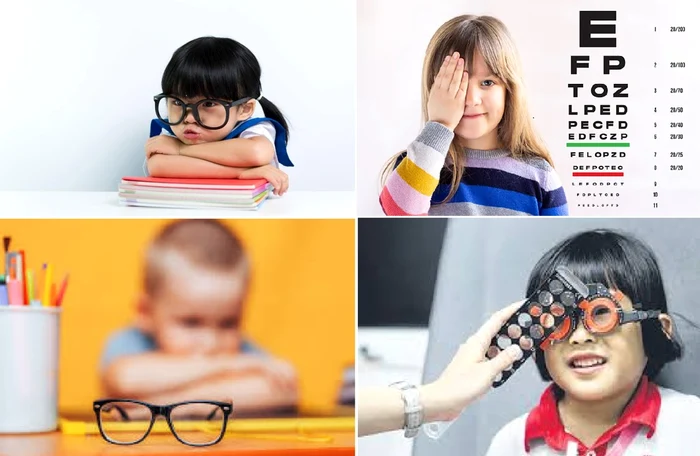
One in three children in the world suffers from myopia, prevented or slowed by healthy habits DMS
In the face of this situation, can we protect ourselves? Can it help food beyond the classic carrots? Recent studies highlight the protective role of Omega-3 and other nutrients essential for eye health.
A pandemic of the growing myopia
It is not a neglected topic. Although the condition may seem benign, people with myopia have a higher risk of developing ocular complications such as cataracts, glaucoma or detachment. Over 3.3 billion people will be affected by this visual disorder by 2030.
Moreover, the most serious manifestation, when diopters exceed 5-6, can lead to irreversible blindness.
Although the children of parents with myopia have a higher chance of developing the condition, it is not the only cause. One of the most important risk factors is the long time spent in close activities, such as using screens. Studies in several countries show that spending short -air shorts significantly increases the risk of myopia.
For this reason, some advice to protect vision includes:
- Spend at least 90 minutes a day outdoors.
- Reduce the time spent in front of the screens and other close activities.
How does the diet influence the health of the eyes
Sometimes we try to convince children that carrots are good for view, to encourage them to eat them. And we are right: both carrot and sweet potato or spinach contain many carotenoids. In the eyes, these natural substances are transformed into retinal, which is part of Rodopsin, one of the pigments that allow us to see.
The retinal can also be obtained from vitamin A, present in eggs, liver or matured cheeses. In this conversion comes zinc, found in meat, eggs, whole grains, nuts and legumes. Therefore, a deficiency of vitamin A or zinc can cause vision problems – and we often do not consume enough quantities of none.
The lack of other vitamins can also lead to vision disorders. We must pay attention especially to the vitamins that are often deficient, such as B9 (folic acid), E and C. and these nutrients are found in fruits, vegetables, nuts, legumes, eggs and whole grains.
Complete menu to prevent myopia in children
Some of the studies on the effects of nutrition on vision have focused more specifically on myopia. Recently, a study showed that the level of Omega-3 fatty acids was lower in children aged 6-8 with this condition. In contrast, other fats, such as saturated fats, seem to have the opposite effect, representing a risk factor.
Similar results were obtained previously in adolescents (12-19 years), where a high daily consumption of Omega-3 EPA could be associated with a lower risk of severe myopia.
Omega-3, including EPA, is found in large quantities in fatty fish, which is why one of the 3-4 servings per week is of this type. However, children should avoid the red tone, sword fish and emperor fish, due to the high mercury content.
The saturated fats to be avoided are found in meat, pastry, chocolate and coconut or palm oils.
Other studies show that a diet rich in vitamins, minerals and fiber, but poor in saturated fat and with moderate calorie consumption, can slow down myopia progression.
As for other nutrients, a lower vitamin A consumption in children with myopia has been observed, and vitamin C has been associated with a lower risk in adolescents.
At the same time, excessive consumption of protein or salt can increase the risk of myopia in children and adolescents.
Weight, Diet and Technology: Key to prevent myopia in children
A close factor related to nutrition is excess weight. An extensive study in the US, which included over 1.3 million teenagers, showed a direct association between body mass index and myopia incidence, especially in overweight or obese, but also in underweight.
The main conclusion is that the risk of myopia in children can be reduced. In addition to limiting the time spent in front of the screens and increasing outdoor activities, nutrition plays an important role. The diet of children is essential to rely on natural foods, such as fish, fruits, vegetables, legumes, whole grains, nuts and eggs.
The prevention of myopia in children does not concern exclusively of luck or genetic inheritance. A balanced diet, rich in vitamins, minerals and omega-3s, the time spent outdoor and limiting the use of screens are simple, but fundamental steps to protect their eyes. For children with myopia already installed, these routines can prevent the aggravation of diopters and associated complications, so that they enjoy a healthier view and a clearer and brighter future.