Squadrilile with the dreaded drone MQ-9 Reaper, held in China's coast at an American military


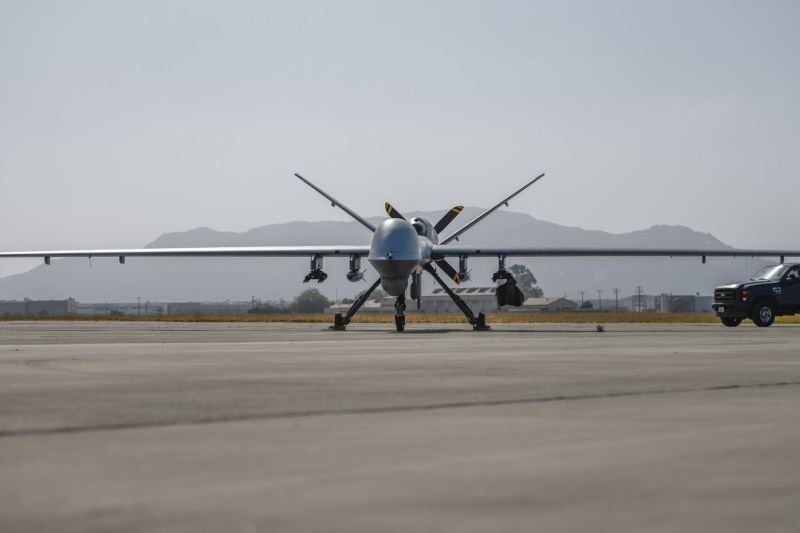
An MQ-9 drone reappear of the US Air Force during a training exercise at the Base Base 29 Palms, on June 18, 2024, in Twentynine Palms, California. Photo: TSGT. Paul Duquette / US Air / Zuma Press / Profimedia
US Air Forces have established a permanent presence of American drones in the Korean peninsula, reactivating a squadron from World War II to strengthen security in the context of military tensions in the region, writes CNN on Tuesday.
Escadrila 431 Expeditionary Reconnaissance was activated on Monday at the Kunsan air base on the western coast of South Korea, south of the capital Seoul. Drone MQ-9 Reaper will be operated on this base.
It is another measure meant to strengthen the air capabilities of the US Army in the Peninsula, after repositioning F-16 fighter jets in the last months. Also, this measure comes just a few weeks after the leader of North Korea, Kim Jong Un, stood shoulder with the President of China, Xi Jinping, at a large military parade in Beijing.
The Reaper Drones are a single engine turbopopopulated drones, which can carry out a variety of fighting and other missions, according to an informative file of American Air Force.
Equipped with an extensive autonomy of over 1,600 miles (2,575 kilometers) and the ability to stay in the air for an indefinite period with air refueling, it is expected that drones Reaper offers a substantial impulse in the region.
The range of Reaper drones covers not only North Korea – demilitarized area (DMZ) between North Korea and South Korea is about 150 miles (about 241 km) north of Kunsan – but also the East China Sea and Taiwan, about 800 miles (1,287 km).
Continental China is just about 250 miles (402 km) by Kunsan, and the Sea Bohai, where the Chinese navy often organizes exercises, is about 600 miles (965 km) of the American air base.
“The MQ-9 operations will support the US-Corea priorities in terms of information, supervision and recognition in the Indo-Pacific Theater,” a statement of air forces mentions. The military region extends from the waters on the Western Coast of the US to the western border of India and from Antarctica to the North Pole.
“The development (drones) MQ-9 brings a strong capacity in the region,” said, lieutenant-colonel Douglas Slater, who will order the squadron.
“We are here to support the mission, to deepen the cooperation and to demonstrate our common commitment to maintain the security and stability in Indo-Pacific,” Slater said.
For combat missions, MQ-9 drones can carry a wide range of weapons, from hellfire to laser guided bombs.
The permanent stationary stationary stationary Reaper at the Base Kunsan demonstrates Washington's commitment to South Korea and other Pacific allies and partners, at a time when some have raised question marks, given that the Trump administration focuses on security challenges closer to the American territory.
It has not been announced how many Reaper drones will be stationed in Kunsan, but an information sheet of the Air Force shows that, in January, the US Special Operations Command had 50 drones in inventory.
The name of the squadron dates from World War II
The name of the drone unit (“Escadrila 431”) revives a name dating from the Second World War, when, in 1943, the 431 hunting squadron was activated in Australia. It has operated long-range P-38 Lightning Hunting aircraft, meant to escort American bombers in the Pacific Operation Theater.
Escadrila 431 was last active as a test unit for F-111 aircraft in California, being closed in 1992.
Activating this squadron in South Korea is the second important movement of this year's US Air Force on the peninsula.
In July, the US Army began to move the F-16 hunting aircraft from Kunsan to just over 80 miles (128 km) to the north, at the Osan air base, to form a “super squadrile” closer to North Korea.
A total of 31 F-16 aircraft and 1,000 members of the military personnel were to be moved from Kunsan to Osan until October, American air forces sent in a statement issued in July.
It is expected that the temporary transfer will last until October next year, to see if it can “maximize the capacities and increase the combative effectiveness in the Korean peninsula,” the American forces said.
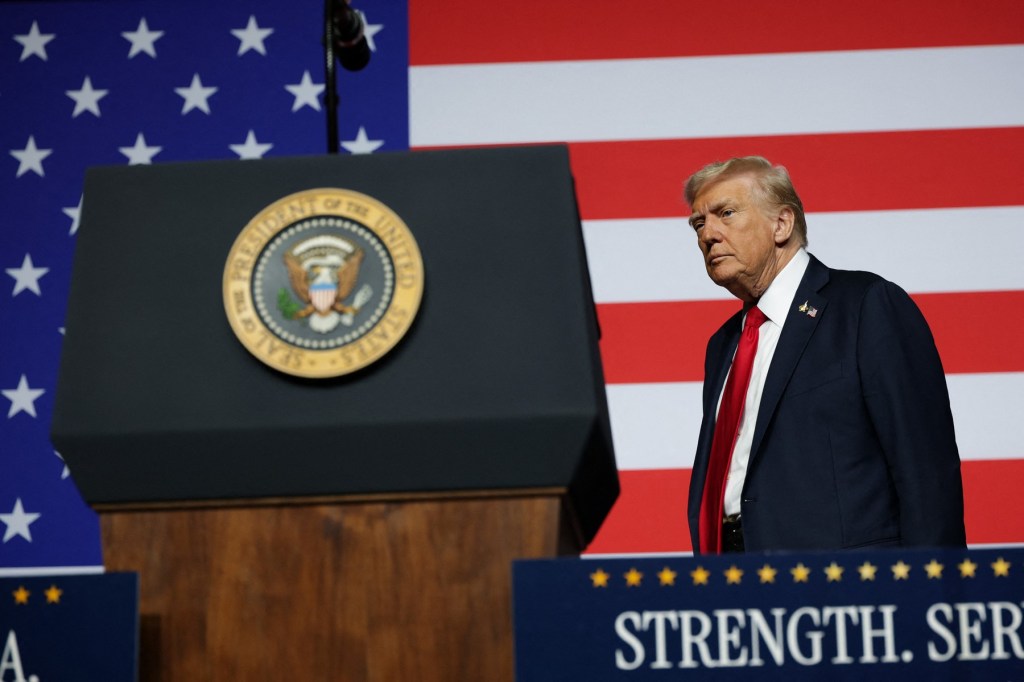 Trump warns the US nuclear arsenal: “We have been a little threatened by Russia and I sent the most lethal weapon ever created. We have better, newer weapons, more”
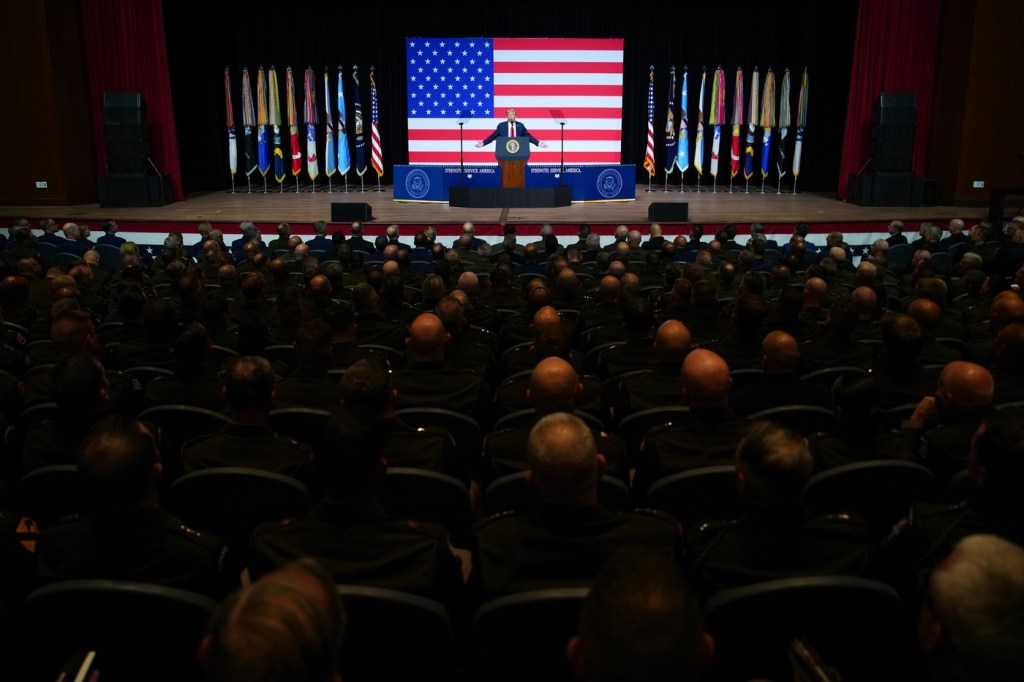 Donald Trump has suggested to the generals to use the “dangerous cities” in the US as “army training.”. “They are very insecure and we will straighten them one by one” / “And this is a war, one from the inside”