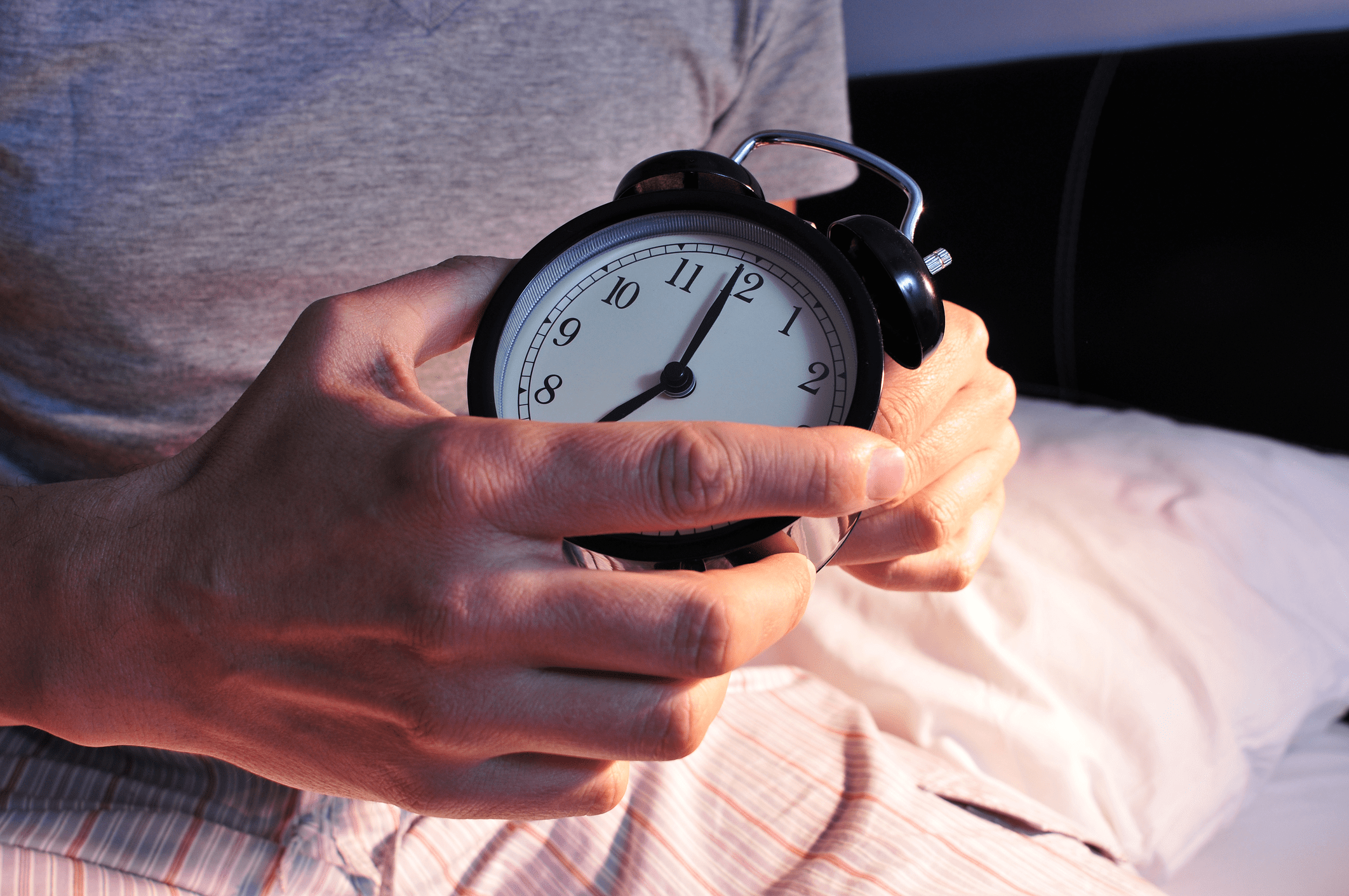
Romania switches to summer time this weekend, on the night of March 28 to 29, 2026, when the clocks are set forward one hour. 03:00 becomes 04:00, so Sunday will have only 23 hours.
Time changes twice a year in Romania: in March and October. The switch to summer time takes place on the last weekend in March.
Thus, at night, the clocks will be set forward one hour, and 03:00 becomes 04:00. Theoretically, we sleep an hour less.
Evenings will be longer and brighter, as natural light will last longer in the second part of the day. Instead, the mornings will be darker for a while.
With this change, Romania switches from Eastern European Standard Time (EET) to Eastern European Daylight Saving Time (EEST).
Daylight saving time is not currently used in countries on the Equator and Tropic of Capricorn. Also, two major countries, Japan and China, do not use daylight saving time.
Doctors warning
The switch to summer time can significantly affect the human body, through hormonal changes with an impact on the quality of sleep and the circadian rhythm, said the president of the College of Dieteticians Iași, Adina Rusu, for Agerpres.
According to her, adapting to the new changes can take from a few days to one to two weeks, during which time we can face attention deficit, decreased concentration power, impairment of the ability to adapt to stress, mood disorders or fatigue.
“There are also changes in appetite or eating behavior, which can be felt much more strongly during the fasting period, if the diet is not balanced and the meals are not made up correctly from a nutritional point of view,” explained the dietician.
According to the quoted source, the main mechanism affected is the body's circadian rhythm or “biological clock”, which is disrupted by changes in exposure to light.
Thus, emphasizes Adina Rusu, the secretion of melatonin, the hormone responsible for sleep, is disturbed, which makes it more difficult to fall asleep, especially for people who normally have a later sleep schedule.
“The change in the secretion of melatonin, as a result of different exposure to light, can make it more difficult to fall asleep, a much more frequent nuisance in the case of people with an evening chronotype, i.e. those who already, naturally, fell asleep and woke up later. In addition, the switch to daylight saving time can affect both the secretion of cortisol, reducing our ability to adapt to stress, and the thyroid hormones, with an impact on energy levels and metabolic regulation, as a whole”, says Adina Rusu.
But the switch to summer time also affects appetite, increasing the feeling of hunger and the preference for foods rich in sugar and fat.
Against the backdrop of fatigue, self-control decreases, and meals tend to be taken later, sometimes even at night.