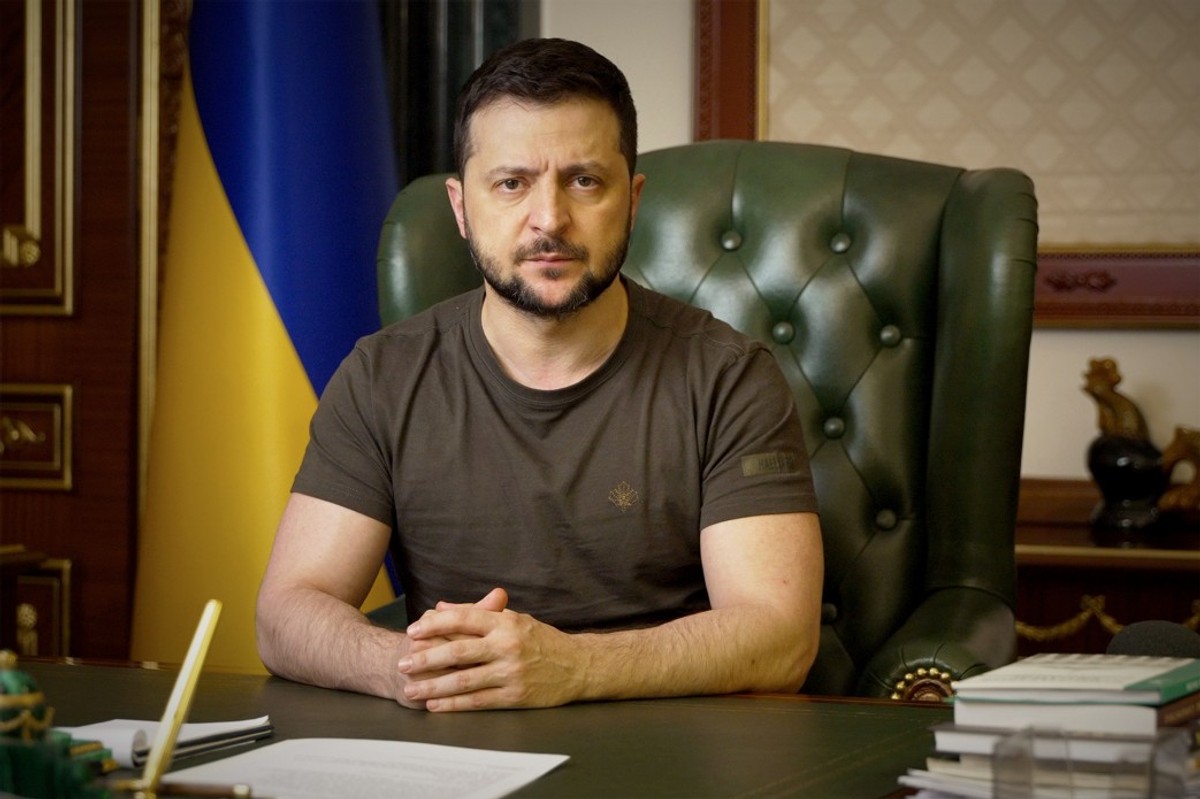
– This shows that Ukraine not only defends its sky, but also protects the safety of the entire region – emphasized Zelanski, emphasizing the role of Kiev in preventing the spread of Russian attacks on your neighboring states.
Read also: The iconic Wrocław pub has shown its costs. “Without Januszowanie”
Common security of the region
Zelanski's statement appears at the moment growing tensions around the Polish-Ukrainian border and more and more frequent cases when Russian provocations are expanded to Poland. Although most of them are random incidents related to the intensive defense of Ukraine, each such episode becomes the subject of analyzes and consultations within NATO.
Warsaw has repeatedly emphasized that it expected full information from the Ukrainian side regarding the violations of the border and appreciates Kiev's actions, which minimize the risk. In turn, the North Atlantic Alliance clearly states that Russian attacks on Ukraine pose a potential threat to the security of the Member States, although the current incidents did not have the character of intentional actions against Poland.
Read also: Observation changes business. Companies shorten the response time [WYWIAD]
Russian pressure strategy
Experts indicate that the increased use of drones by Russia has a double goal: on the one hand, weaken Ukrainian energy and military infrastructure, on the other – to exert political pressure to neighboring states, showing that the conflict can “spill” outside Ukraine.
Russia is increasingly reaching for unmanned aircraft of Iranian or own production, which are cheaper than rocket missiles and more difficult to detect in mass attacks. Ukraine corresponds to a developed air defense system, supported by western supplies – including American patriots, German Iris-T or NASAMS systems.
Political and military significance
Zelanski's statement also had a political dimension – the Ukrainian president once again pointed out that his country was the “shield” for Europe. According to observers, such accents appear especially at times when war fatigue and discussion about further financial and military support are growing in the Western countries.
For Poland, the situation of September 10 is another proof that national security is closely related to the situation in Ukraine. The authorities in Warsaw are consistently appealing to strengthen NATO's eastern flank and maintain the supply of equipment for Kiev, indicating that an alternative would be the direct risk of Russian attacks in the territory of the Member States.