The reaction of the College of Physicians to the deaths of the children from the “St. Mary” spit in Iași. “We are looking for guilty, but we rarely see concrete recovery plans”

The College of Physicians in Romania argues that, beyond the search for the culprits for the death of six children admitted to the “Sfânta Maria” Hospital in Iași, structural reforms are needed to combat nosocomial infections in the Romanian hospitals. The college sketches, in a press release, the directions in which the reforms should be made.
“In the tragic case of children admitted to the Emergency Clinical Hospital for Children” Saint Mary “in Iași, we send condolences to the bereaved families. It is essential to clarify, in this case, what happened, but at the same time, such incidents, which appear with a certain frequency, reflect a major minus in the system, which we must recognize. The responsibilities must be analyzed and clearly identify the measures by which such tragedies will not be repeated ”, says in the statement of the College of Physicians (CMR).
“Cosmetizations do not solve the problem”
The college argues that the procedures provided “on paper” must be accompanied by effective controls regarding the observance of the prevention rules of nosociomial infections, to which major investments are added to the intrastructure.
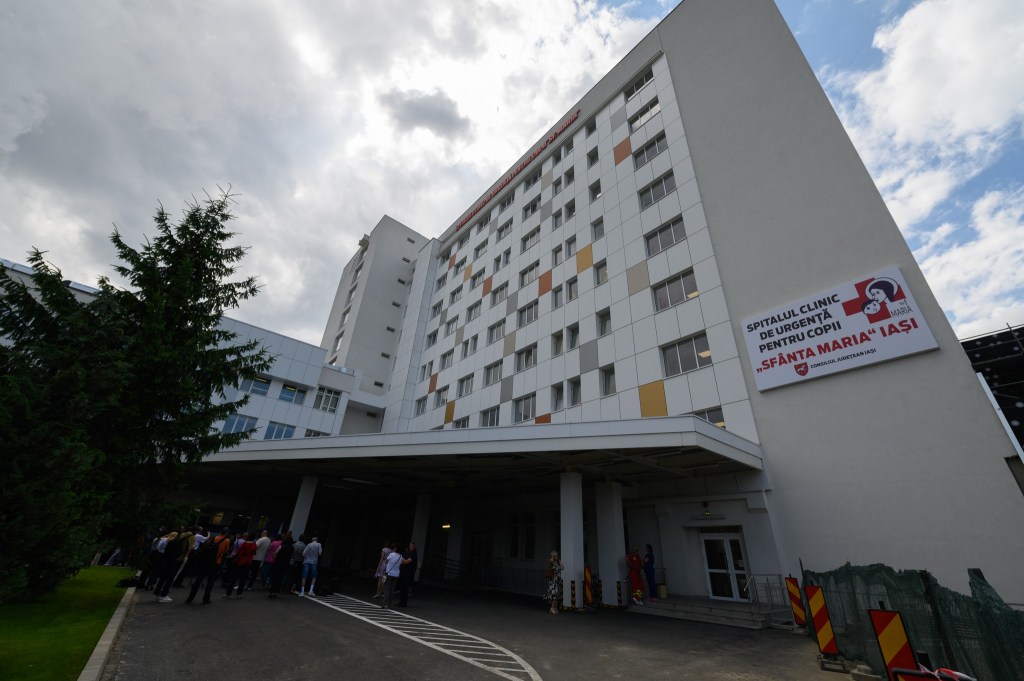 Six children died, after taking a bacterium in the hospital in Iasi. The ATI section has been closed. “Possible outbreak of infections” / Minister sends the control body
“All these things cannot be fulfilled without real investments in infrastructure. Cosmetizations or superficial work does not solve the problem. We all see that we are still facing critical situations. Often, in such situations, we are looking for guilty, it is natural to know who has wrong, but we rarely see concrete plans for recovery or real.”
Thus, the college argues that an effective control of infections associated with health care must be addressed on several levels:
• the construction of medical infrastructure in accordance, with functional circuits, which helps to combat nosocomial infections;
• the proper restoration of the existing infrastructure, where possible, without superficial solutions, can rethink the circuits in the hospitals where problems are identified;
• equipping with equipment, which allows a rapid diagnosis of infections;
• strict observance of the medical procedures in order to limit the infections associated with the medical assistance;
• effective control of the use of antibiotics, especially in hospitals;
• insurance in all hospitals of an optimal number of epidemiologists, with a role in the supervision and prevention of infections associated with medical assistance;
• continuous professional training of medical personnel, but also of the auxiliary person, on the prevention of infections associated with medical assistance and hygiene norms;
• the obligation to respect the procedures that limit the transmission of infections: from the hygiene of the hands, the use of the protective equipment, to the asepsis measures that accompany each maneuver;
• respecting and verifying the quality of disinfectants and sanitary materials used;
• ensuring the adequate number of medical personnel employed in the risk sections, to limit the contact of an assistant or doctor with several patients, but on the other hand and to offer time to the medical staff for laborious procedures, before and after reaching the infected or colonized patients;
• frequent control of the cleaning and disinfection procedures applied, especially in the risk sections;
• compliance with early diagnostic procedures and reporting of infections associated with medical assistance;
• times stipulated in the activity of medical personnel for learning and verifying the acquisition of knowledge related to the prevention of infections associated with medical care.
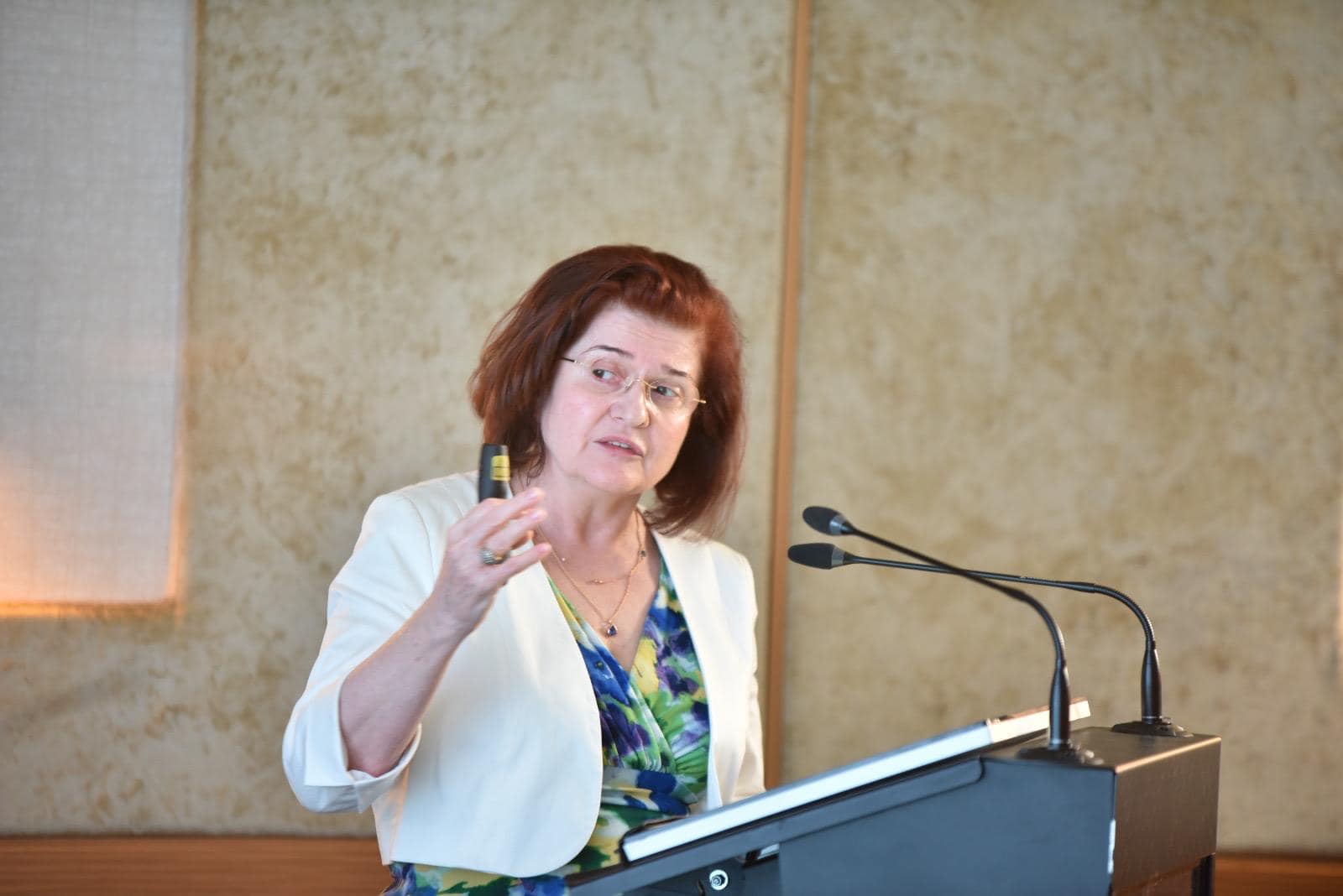
“All this can be done with sustained effort, with proper financing, but perhaps most importantly, with a strategic direction to be respected, with clear implementation terms. Infections associated with medical assistance cause tragedies. People suffer, trust in the medical system decreases. Prompt in reporting – and to take into account the measures that it imposes at the level of the medical unit ”, said Cătălina Poiană, the president of the Romanian College of Physicians.
 “An unacceptable drama. Zero tolerance to errors that kill children.” Nicușor Dan asked for investigation after the case of the hospital in Iași, which “reconfirms a structural problem of years old”
Nine cases of infection, six deaths
Six children up to one year old, who suffered from other associated diseases, died at the “Santa Maria” Hospital in Iași, after being infected with the Bacteria Serratia Marcescens, a nosocomial infection, reveals the newspaper of Iași. The intensive care section, where the children were admitted, was closed, after other patients were diagnosed with the same bacterium.
The Minister of Health Alexandru Rogobete told Hotnews that the “Saint Maria” Children's Hospital in Iași, where six hospitalized children died after taking a hospital bacterium, reported “too late” the epidemiological situation in the ATI section. He said, however, that at this moment “we cannot make a direct connection between associated infections and deaths.”
Died children suffered from serious associated diseases: lightning meningitis, convulsive syndrome, Edwards, tetraparesis or epilepsy syndrome, writes the local publication 7iasi.
The first case of infection with the Bacteria Serratia Marcescens appeared on September 7, followed by two others. On September 16, another 6 cases appeared, but the ATI section remained functional, and the hospitalizations continued. On Wednesday, on September 24, the section was closed for hospitalizations.
In total, 9 children were infected with the Marcescens Serratia bacteria, it appears from a hospital information. The evolution of the 3 children who are alive is favorable, according to a statement of the hospital.