September 26: 80 years since the death of Béla Bartók, the genius who wrote the most beautiful processing in the Romanian folklore


Bartók Béla was born in Sânnicolaul Mare in 1881 and died in New York. On September 26, 1945. Also on September 26, the debut of the musician Bob Dylan takes place.
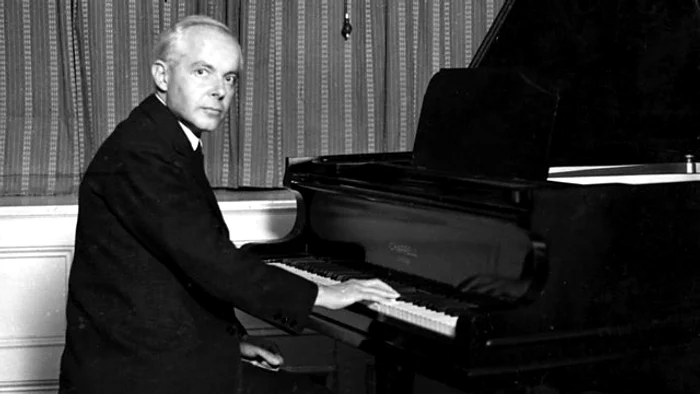
Bella Bartok Photo: Personal Archive
1687: The Parthenon in Athens is partially destroyed
Parthenon, the temple dedicated to the goddess Athena is a Doric style construction and a masterpiece of Greek architecture, which was completed in 432 BC. Hr.
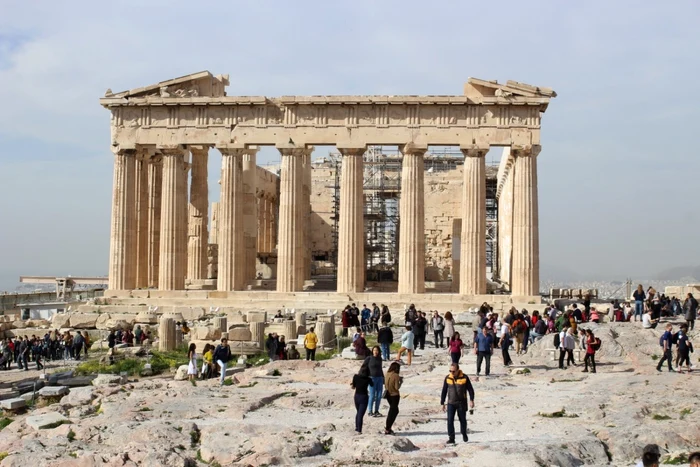
Photo Parthenon: Adevărul
In 1687, the Greek Temple was used as a dust deposit by the Ottoman garrison. On September 26, the Parthenon was partially destroyed after a bombing, during the siege of the acropolis, started by the Venetian forces.
1905: Albert Einstein introduces the theory of restricted relativity
The restricted relativity is the physical theory of measurement in the inertial reference systems proposed in 1905 by Albert Einstein, in his article, with the title “About the electrodynamics of the moving bodies ”.
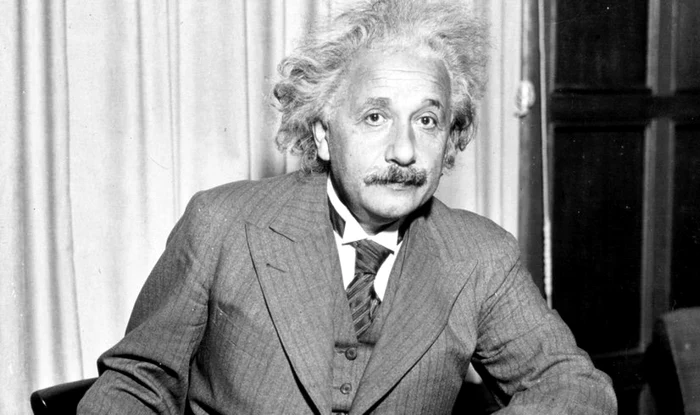
Albert Einstein Photo: Profimedia
The article on restricted relativity marks the third scientific work published by Albert Einstein that year.
[1945:HediedinNewYorkcomposerpianistmusicologistandfolkloristBélaViktorJánosBartók
Bartók Béla was born in Sânnicolaul Mare (Timiş county), when the city of Aranca belonged to Hungary.
The musician Bartók Béla is one of the characters with whom the Banatians can be proud. He was undoubtedly one of the most famous composers and pianists in the world. Bartók was born on March 25, 1881 in Sânnicolaul Mare, during the period when Banat belonged to Hungary. The first piano lessons received them from his mother, and from 1899 he studied in Pesburg, today Bratislava and at the Royal Music Academy in Budapest, where between 1908-1934 he worked as a piano teacher.
Since 1905, Bartók Béla is still studying Hungarian, Romanian and Gypsy folk music. “Romanian folk songs from Bihor County”, in 1913, “folk songs from Maramureş”, in 1923, “Melodian der Rumenischen carols”, in 1935 or “The musical dialect of the Romanians from Hunedoara”, all are the collections of the Hungarian composer on the Romanian folk.
Between 1922-1936 he held over 40 concerts in Transylvania, Banat and Bucharest.
Spoke over ten foreign languages
Bartók spoke and read in more than ten foreign languages. Apart from the maternal Hungarian, the Romanian was the only one in which he conceived a poetic text to put it on music, it is about the “profane singing” libreto, compiled based on two carol texts, later versed by Bartok in Hungarian and English.
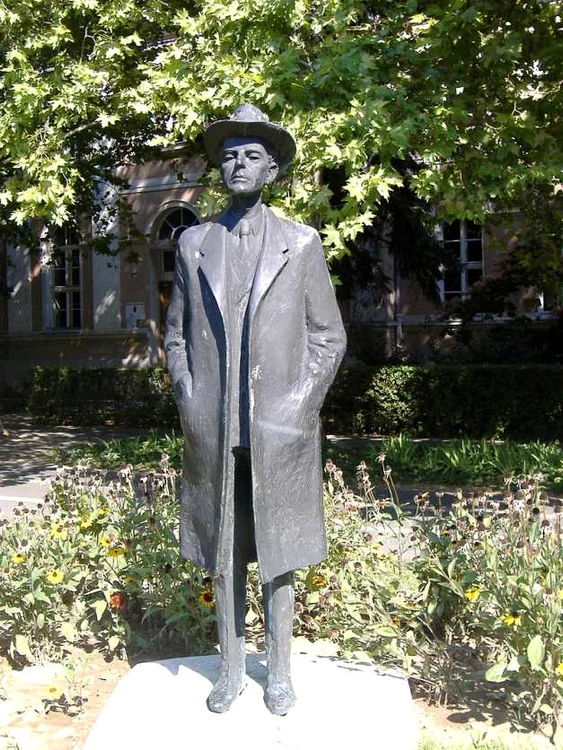
Béla Viktor János Bartók Photo: Wikimedia
At school he was considered a Latinist, doing some Greek studies. The beginnings of his studies of Arab are attested in 1911, Italian in 1914, Bulgarian in 1935, Ukrainian 1935 and Turkish 1936, his Romanian language studies on 1909. He learns Serbian-Croatian in his exile years.
He read Romanian literature
Bartók Béla's biographers claim that he would have taken Romanian lessons from Gheorghe Alexici, a university professor in Budapest, who would theoretically be the one who learned Romanian. In 1909 he was looking for a Romanian professor at the “Petru Maior” company in Budapest, where the Brasov student Miron Creţu is recommended.
Bartók will read a lot of Romanian literature, being interested in mastering a language through which he can communicate with the Romanian peasants and be able to note their texts alone, an indispensable condition of the creator's activity.
Bartók will teach Romanian on his first wife, Marta Bartók, to help him in all the phases of his ethnomusic struggle, including on the ground. A “working” letter addressed to Mars begins in Romanian: “My beloved wife!”.
Died in America
In 1940 he emigrated to the United States, where, for a short time (1940-1941), he worked next to Columbia University and as a music professor in New York, having modest financial revenues. Bartók Béla died of leukemia on September 26, 1945 in New York.
The high school with teaching in Hungarian in Timisoara bears the name of the great musician Bartók Béla, who has a star and those of the musicians on the “Walk On Fame” in front of the Banatul Philharmonic.
1960: The first television debate between US presidential candidates takes place
On the evening of September 26, when the two candidates, Richard Nixon and John F. Kennedy arrived in the CBS studios in Chicago, prepared for the first television debate in the history of US presidential elections.
The speeches of the two were similar, the problems and solutions aimed at the hottest aspects of the moment and were not fundamentally different. Moreover, after Kennedy spoke the statement of introduction that listened to the radio debate, they considered Nixon winning. But they were in the minority. In 1960, 88% of American houses had a TV. The number of viewers who watched the show was estimated at 74 million. And they believed that young Kennedy is the detached winner of the debate.
1961: Bob Dylan's onset
Bob Dylan, born as Robert Allen Zimmerman on May 24, 1941 in Duluth, Minnesota, US, comes from a family of Jewish Jews from Russia. He is a singer, composer, musician and American poet whose contributions in American music are comparable, in fame and influence, with those of Stephen Foster, Irving Berlin, Woody Guthrie and Hank Williams.
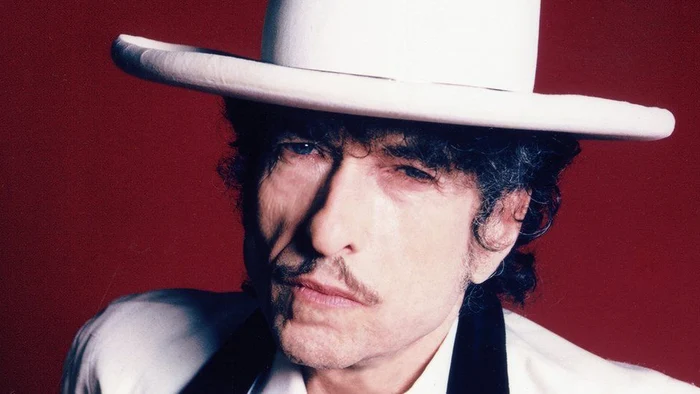
Bob Dylan Photo: Profimedia
1983: Soviet officer Stanislav Petrov saves mankind from a nuclear war
Stanislav Evgrafovici Petrov (b. September 7, 1939, Vladivostok, USSR-d. May 19, 2017, Friazino, Russia) was a retired lieutenant of the Soviet anti-aircraft defense. On September 26, 1983, he was the responsible officer of the Nuclear Monitoring Center in OKO, the center system reporting that a nuclear missile was launched from the United States. Petrov considered the warning as a false one, thus, his decision preventing a counterattack of gigantic proportions and mutual destruction from the United States and NATO Allies. Subsequent investigations confirmed that the satellite warning was caused by a malfunction.
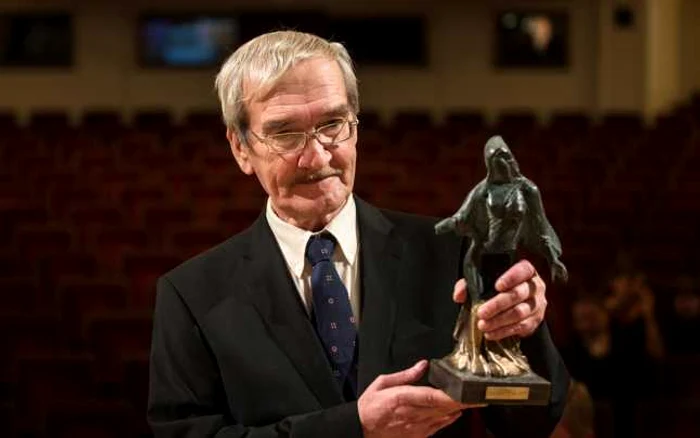
Stanislav Petrov Photo: EPA
Petrov's role in the prevention of nuclear war is questionable, especially after Russia's representatives said that a counterattack is launched, detections from several sources are required. Somehow the incident exposed a serious error in the initial Soviet detection system. Petrov was neither awarded nor sanctioned for his action. If Petrov had reported American missiles, his superiors could be launched a counterattack against the United States, causing a nuclear response from the US. Subsequently, it turned out that Petrov was right, no rocket was launched and the computer detection came from an error. After a period it was shown that the false alarm was created by a rare arrangement of sunlight with high attitude clouds and Soviet satellites. This phenomenon has been called Orbit mollniya.
1996: Nicu Ceausescu died, the son of dictator Nicolae Ceausescu
Born on September 1, 1951, in Bucharest, Nicu Ceausescu was the third child of the spouses Nicolae and Elena Ceausescu. He held the position of first secretary of the PCR organization Sibiu towards the end of the communist regime in Romania.
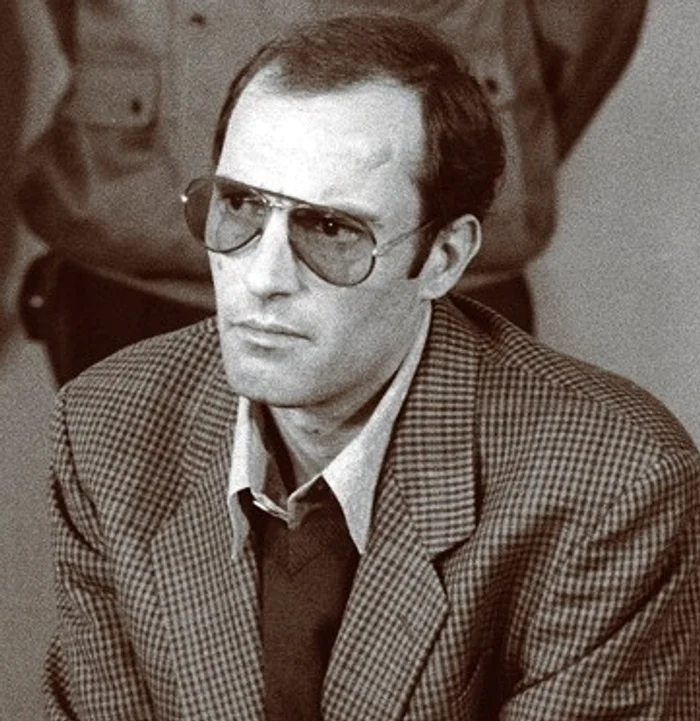
Nicu Ceaușțescu Photo: Wikipedia
He was arrested on the days of the 1989 Revolution and sentenced to five years in prison for non -observance of the ammunition and firearms regime, but was released on medical reasons. Also, at first, he was accused of genocide, a very serious murder and undermining the national economy.
He died in the Allgemeines Krankenhaus der Stadt Wien (AKH) clinic.
2016: The musician and actor Ioan Gyuri Pascu died
Born on August 31, 1961, Ioan Gyuri Pascu was part of the Humor Divertis group. He has approached different musical styles, including pop, rock, blues and reggae. He also founded several successful bands, such as The Blue Workers and Pacific.
From his filmography we mention: “Cucoana Chirița”, “An unforgettable summer”, “West”, “Painting” and “Hardcover”.
He has released several musical albums, such as: “could be”, “mixed gril”, “jazzolina car”, “Box for mind, heart and mouth”, “innocent thoughts”, “Left of dreaming” and “catching a star”.