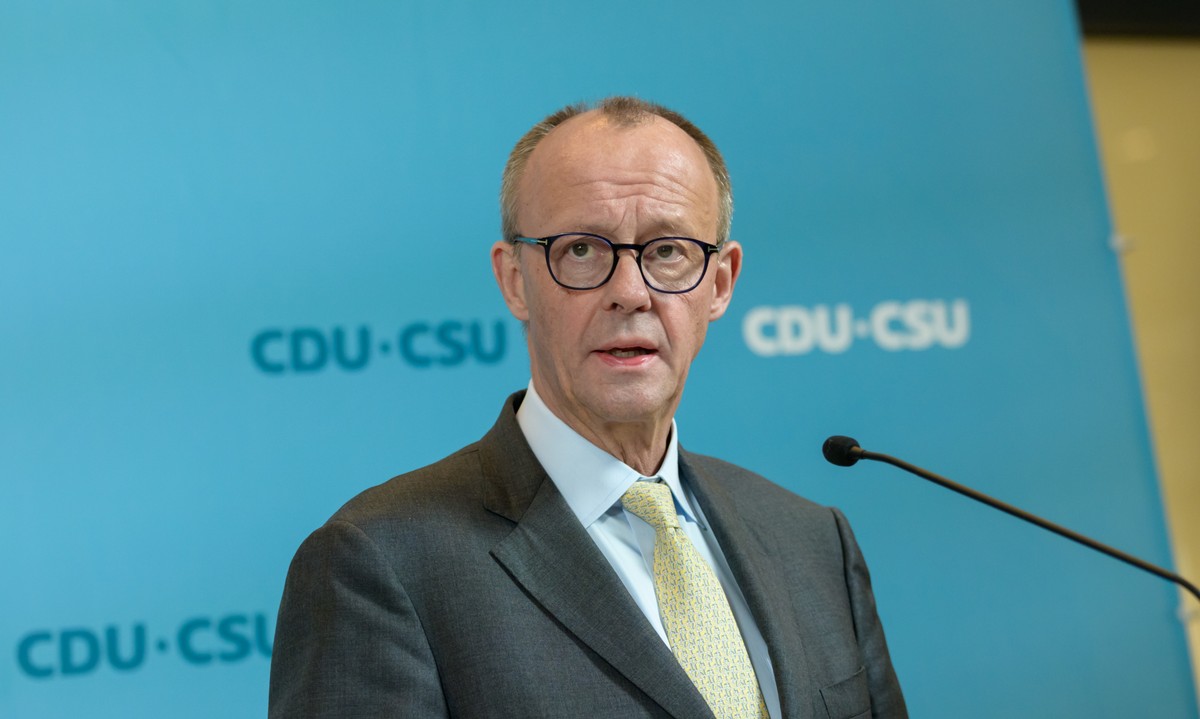
Merz proposed an innovative mechanism that would resolve legal and financial disputes regarding Russian property. The plan assumes unlocking up to EUR 140 billion of assets from frozen capital and to allocate them to support Ukraine, without violating Russia's ownership. As the politician pointed out, these assets could remain frozen until Moscow's commitment to pay Ukraine compensation for war losses.
“We need a new impulse to change Russia's calculations. It's time to apply an effective lever that will break the cynical game of the President of Russia to gain time and force him to negotiate” – wrote the Chancellor in the article.
Merz proposes. Russian assets for Ukraine
Merz specifies that a loan for Ukraine would be initially served by the European Union Member States, and from 2028 it would be repaired by the long -term EU budget. The Chancellor emphasized that the funds would be paid in tranches, and the decisions about their use, including purchases of weapons, would be made jointly by Kiev and EU countries.
Merz's proposal can become a key topic of the informal EU summit in Copenhagen, scheduled for next month. The head of the German government appealed to “FT” that on October 23-24 the European Council agreed to start work on the legal preparation of this mechanism.
From the beginning of the Russian invasion of Ukraine, Western countries have froze the assets of the Central Bank of Russia with a value exceeding $ 300 billion. Most of these funds, including over EUR 210 billion, went under the sewing of the Belgian EUROCLEAR settlement chamber.
Russian assets. EU members call
Baltic countries and several other members of the European Union postulate the takeover of frozen Russian assets, which in their opinion could significantly strengthen support for Ukraine without burdening European taxpayers. The introduction of this proposal, however, encounters the resistance of some countries, including France and Germany. Critics, including the European Central Bank, warn against the potential consequences for the euro and the risk of capital outflow from the Union.
Until now, the EU has only decided to take over interest from frozen Russian assets. The solution proposed by Merz therefore raises both hopes for the support of Ukraine and fears of economic effects on the Union itself.