A inhabitant from three from Bucharest-Ilfov, in danger of heart attack or stroke. The explanations of a cardiologist


A recent study in Bucharest and Ilfov shows worrying results: one person in three presents increased risk of myocardial infarction or stroke. The data come from a screening pilot project carried out between 2024–2025.
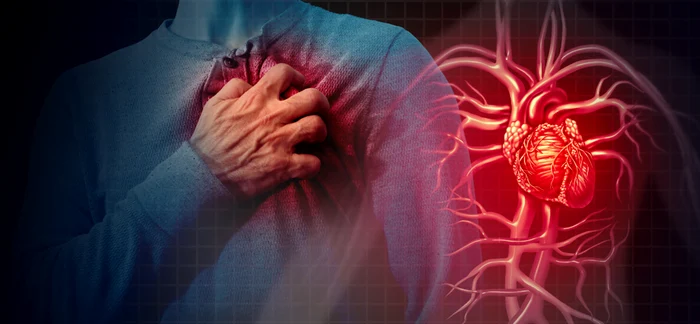
A three -person person risks doing myocardial infarction or photo stroke: Archive
According to cardiologist Ștefan Busnatu, one of the initiators of the project, the research was based on the analysis of 1,564 people between the ages of 30 and 60. “Recently, those in the Coalition of Patients with Chronic Diseases (Tree), who were also the initiators of the approach, also published these results, which we worked together. Basically, on 1,564 people between the ages of 30 and 60, a custom questionnaire to quantify the cardiovascular risk factors and the data we have obtained are extremely worrying. “explained the doctor in an intervention at Digi24.
The results show that almost 30% of the participants suffer from high blood pressure, and 61% of them do not undergo any treatment. In addition, 30% of those questioned have high cholesterol and do not take medications to keep them in control.
“These are two major problems that cumulatively begin to increase the cardiovascular risk and to know that here is not just related to treatment, because, at the same time, we must also think of the lifestyle of this population, which is a theoretical population from a developed area of Romania.”said Busnatu.
Sedentarism, obesity and stress – the main risk factors
The study shows that over 70% of the evaluated persons do not move according to the general recommendations (150 minutes of moderate physical activity per week). “This is probably one of the reasons why 69% of the interviewees are overweight. And, besides these things, we also have a very high level of stress, a quality of poor sleep, which only lead to this high cardiovascular risk of the Bucharest-Ilfov population, due to the fact that we have many exposures to the risk factors.”warned the cardiologist.
Consultations exist, but the motivation is missing
Paradoxically, although over 90% of the respondents went to medical consultations in the last two years, the necessary lifestyle changes have not been made. “I mean accessibility […]. In all this context, it seems that there is no motivation needed to march more on these factors that should protect us and it is probably extremely important as the educational side, the population mobilization part to more movement, to a greater prioritization of sleep quality and a reduction of stress to be done through a more extensive, which may be more extensive, which may be that We reduce the cardiovascular risk ”concluded Busnatu.