The place in Romania where the locals consume water on the money of the town hall. How to get to the aberrant situation that buries local budgets

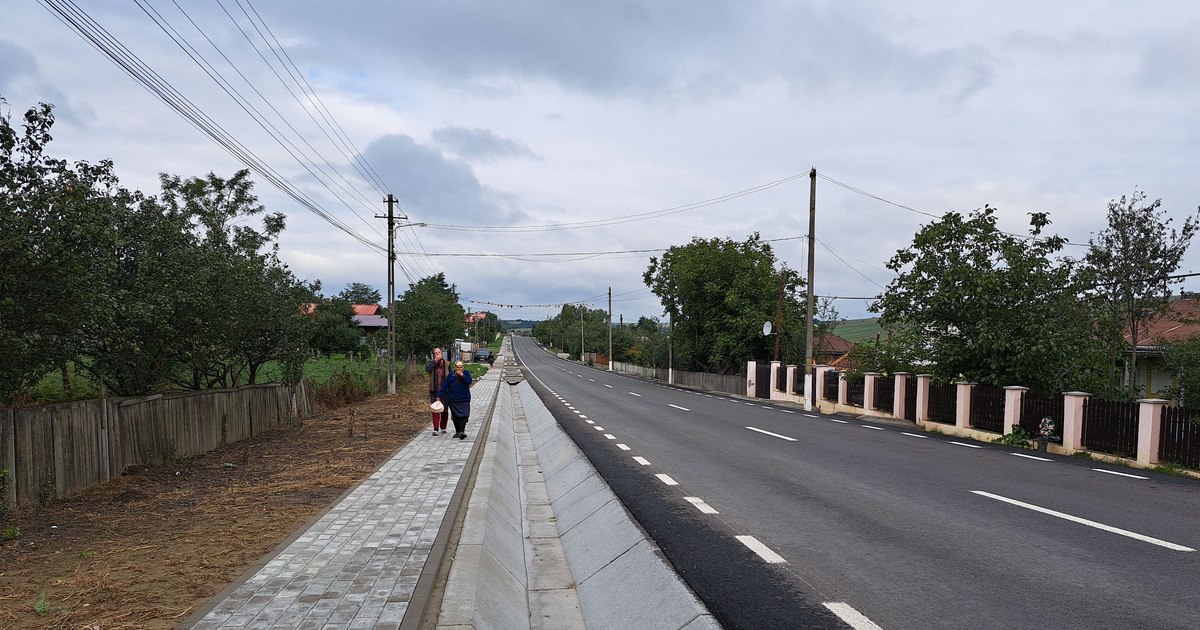
In Botoșani county, several mayors from the country have come to accumulate huge debts after giving free water, for several years, to the locals. In this situation it has arrived due to a vicious administrative circle and the villagers risk paying the arrears.
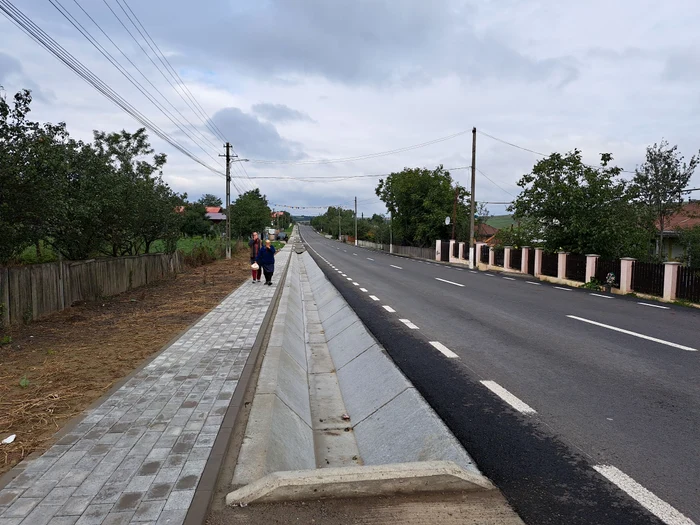
The villagers consumed water without being invoiced photo Cosmin Zamfirache
In Romania, the use of services and resources, such as water, gas or electric current, is invoiced and paid. Otherwise, the user, either household or industrial, is disconnected from the network and obliged to pay in court or through recovery companies. The same rules seem to not apply everywhere in Romania. For example, in Botosani. For about two or three years, thousands of villagers used drinking water without being invoiced and paid. And that's legal. All because of a typical Romanian bureaucratic situation.
Water at free, on the City Hall's money
In Botoșani county, several mayors from the country have made with European funds drinking water distribution networks. There was a necessity in the context in which including the European directives request a certain coverage of the localities with drinking water networks, but also of the drought that haunts Romania for years. The initiatives are commendable and represent a step forward for the civilization of rural communities.
Only, after about three years after the arrangement of these water networks, the local authorities in many communes have aroused debtors sold to the county water operator, Nova Apaserv, a company where the majority shareholders is the County Council. In short, at the moment, there are seven communes with debts of about 2.9 million lei for water. It is, outstanding invoices. In this situation it has come for a simple reason. Locals have been using water for years, without being invoiced on each beneficiary, and the City Hall pays. Or in other words, the villagers watered the gardens, watered the animals and used free water. Proper itself, the water networks arranged with European funds through communes were not taken over by the operator, ie by Nova Apaserv.
Without being taken over, no individual contracts with domestic users were concluded. The water was controlled only at the entrance to the commune. That is, the water operator counts how much water uses the respective community, but the invoices send them to the City Hall, which must pay them. That is, all the water consumed by the locals. “The situation is not only from 2025 but also from the previous years. It has decided on the County Council and Nova Apaserv that these historical debts will close. They have to pay each water consumption. This is normal. As any ordinary citizen goes and pays his invoices, so he has to pay for the counters.”stations Constantin Bursuc, vice -president of Botosani County Council.
“They must determine their consumers to pay their water.”
The representatives of the County Council say that in order not to see their local budgets scattered on the people to the locals, the local authorities must find solutions to put on the household users. “First of all, they must determine their consumers to pay their water”adds Constantin Bursuc.
It is a bureaucratic process that the respective mayors should have followed, since the use of networks in order to deliver water to people. “If you want to provide water to the population they must authorize a service or make a society. It must be authorized to anrsce in order to target those consumers and then later to hand it over to the regional operator Nova Serv”states Alin Cirimpei, director Nova Apaserv.
In addition, in order to be carried out individual contracts, the network must be taken over by the county operator. But until then, the town halls have to pay the huge accumulated debts. “We are in the process of negotiating the installments that they have to deliver. With other UATs we are in discussions for the procedure of taking over the networks. But the debts must be extinguished. From a legal point of view, the town halls must hand over to the regional operator the water networks following some steps.”adding Alin Cirimpei.
“We could not leave the world without water”
On the other hand, the councilors of the communes say that it is a vicious circle and that they have woken up between the hammer and the nicoval. On the one hand, he accuses Nova Apaserv that he would have delayed consciously with taking over the water networks, and on the other side the locals demanded this vital resource to water their cattle, especially during drought.
“We have been struggling for a year to teach the water network at Nova Apaserv. I say so, tomorrow, tomorrow, next month and so on.says Cristinel Aroșculesei, mayor of Manoleasa commune. Locals in turn admit that it has consumed water at discretion, without any contract. “There were no contracts. Two years ago. But now they have begun to make contracts that the water was stopped in the commune.”confesses a local from Rome.
“Only for two weeks they began to make contracts. There were no contracts before,” says another local from the same commune. People are afraid they will have to give up. “It is true that whoever consumes has to pay. Yes, what do we do if we get the latter. God forbid. I go to work outside to pay”says another villager.