Donald Trump, back to his origins, in his mother's native lands. The story of the immigrant that changed the destiny of America

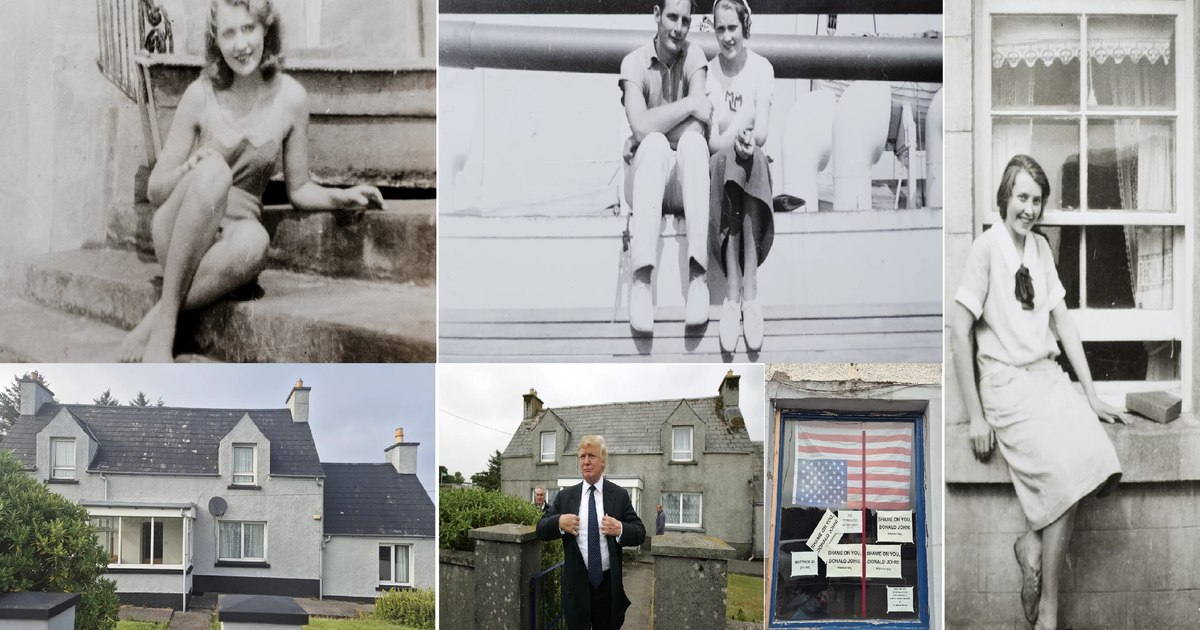
Donald Trump, the controversial leader who put immigration on the world political agenda, goes to the United Kingdom – the country where his family keeps Scottish roots. His mother, Mary Anne Macleod, left Lewis island with her brothers, crossing the ocean looking for a better future in America.
MARY ANNE MACLEOD: The beginning of the story Trump Collage NPR Credit Getty Images
The irony of history is difficult to ignore. A child of immigrants, raised in a family that sacrificed everything for opportunity, reaches the White House. And leads an administration that limits exactly the type of migration that offered the chance to life.
His visit to the UK is not just diplomatic. There is even an invitation to return to the island of Lewis, the place of his mother's childhood – a symbolic gesture reminiscent of the courage of immigrants and the paradox of the politics he promotes. On September 16, 2025, the president will go to Windsor Castle, but stopping on the island remains uncertain.
The story of Mary Anne Macleod is little known: her life on the island, in a Gaelic family, the road from poverty to 20th century, rare but significant connections, which she kept with her native island-all outline. The culture and maternal traditions have modeled the family and, indirectly, the future of the president. And this personal history conflicts with the anti-immigration policy promoted by Trump-an ironic and fascinating paradox.
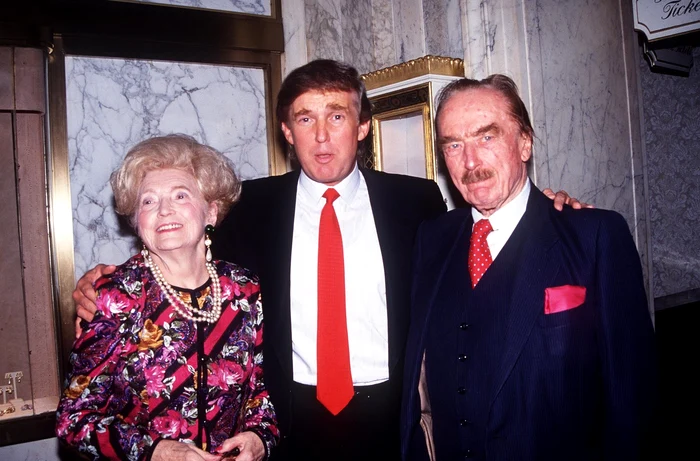
Donald Trump next to his parents Photo Archive Adevărul
Lewis Island: Trump's gaelic roots
On this island beaten by the wind, 65 kilometers from the North-Western coast of Scotland, a castle transformed into a museum retains the echo of the gaelic ballads about the longing for home and loss. For centuries, the locals stood on the fishing docks under the castle, waving the napnons to the ships that were leaving for America, leaving behind poverty and austere life of exterior hebrids.
At the beginning of the twentieth century, all the ten children of Malcolm Macleod, a subposted person of the island, and his wife, Mary, emigrated to the United States. Among them were the youngest daughter, Mary Anne Macleod – Donald Trump's future mother. It was a native immigrant speaking gaelic, who learned English as a second language, part of a phenomenon of family migration known in the US “Chain Migration” – chain migration.
For Donald Trump, Lewis Island is not just a point on the map. It is the realm of roots and simple, but courageous stories, of immigrants who have left everything to change their destiny. Here, the history of the family extends for centuries, and every stone and each wave seem to whisper about sacrifice, hope and new beginnings.
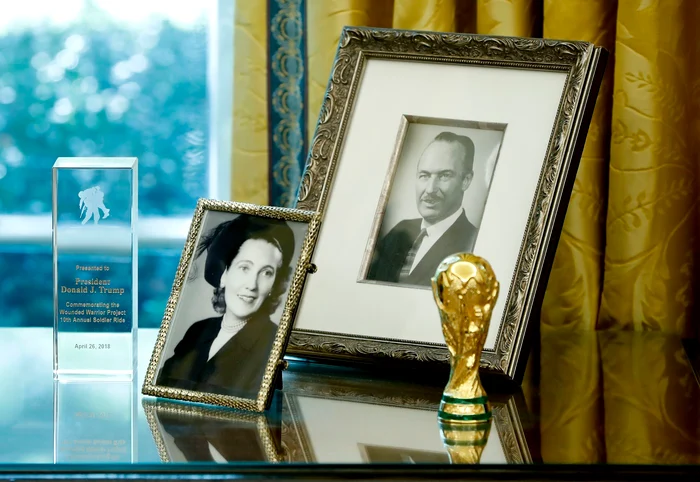
Photos from youth with Donald Trump's parents Photo Adevărul Archive
Out of poverty in America: Trump's mother's story
Mary Anne Macleod left Scotland with a bag and very little money. He followed his sisters and brothers in New York and most likely worked as a housewife or bona. Her life would change radically when she met Fred Trump.
In 1929, when the action market on Wall Street collapsed, Mary Anne returned to Scotland. Fred, the real estate developer he had known, continued to write to her and convinced her to return to New York and marry-something he did in 1936.
“There is a photo on the steps of a pool in northern New York. He wears a bathing suit, his hair is blond, and he looks as if he had come out of The Great Gatsby pages or a Hollywood movie. It's the story of the old world and the new world-and in fact, the story of America's 20th century.”says Torcuil Crichton, who studied her correspondence, quoted by Pr.
Trump's mother's childhood house: between the wind, the sea and the dream of America
Mary Anne grew up in Tong, a small village on Lewis Island. A gray bungalow, known paradoxically straight “white house”, He was shining among “Blackhouses” where people and animals lived together.
Her father was leading the local post: letters, packages, money from all over the world. Each envelope opened a window to America, adventure, life.
The island offered little chances: rare jobs for women, men lost in war, tragedies, such as collective drowning, had shaken the community.
For Mary Anne, the departure was not luxury or curiosity. It was hope, survival, the dream of a better life. And so the journey of an immigrant that would change the destiny of a family … and, indirectly, of the 21st century, began.
Many Macleod on Lewis Island: The place where the departures wrote history
On the island of Lewis, the Macleod clan is everywhere. Yellow and black tartan, name that is repeated endlessly. In the Gress cemetery, the village where Trump's mother grew up, more than half of the crosses bears the name Macleod.
At school, the identical first names were differentiated only in letters: Donald Macleod A, B, C … Hundreds of visitors from the US and Canada come here every year, looking for the roots lost among the numerous branches of the clan.
The island is wild. Rare forests, lands covered by farms and peat. Steep valleys, white beaches, turquoise and cold waters. At his end, the North Atlantic Ocean meets the Norway Sea, looking north, to the Arctic.
Here departures are more common than arrivals. Local culture is impregnated by remains-good, says the archivist Seonaid McDonald: “From the end of the eighteenth century, people began to leave in large numbers. In the 1840s, the severe hunger hit him here, like the Irish. They left for a better future. Even today, many of the locals have empathy for those forced to leave their native country: Opreion, Poverty.”
Trump, invited to return to roots
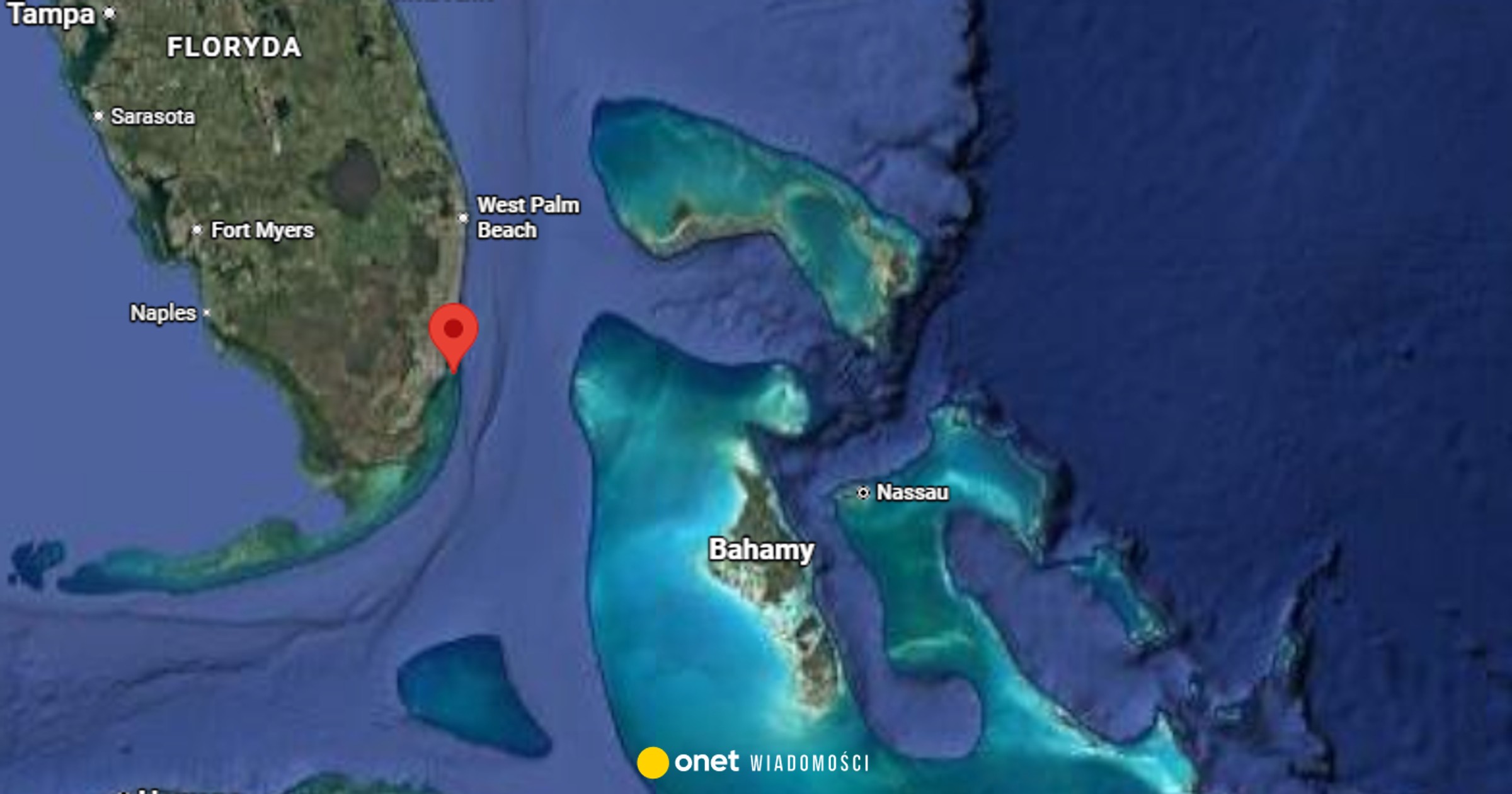
Donald Trump's mother's bungalow is silent in Tong without plates or signs. A cousin still lives there, but refuses to give a statement to the press. In a Stornoway store, a simple poster says everything: “Shame, Donald John!”
Trump's opinions are divided, but the community respects and admires his mother's course for the courage and determination to build a new life in America. Last winter, Torcuil Crichton, a local parliamentarian, sent him an invitation to the White House: “Come to see how your mother's story and immigrants' work as they have shaped and raised America.”
Donald came here a child and returned in 2008 with his sister, Maryanne, visiting the bungalow for 97 seconds. Since then, there is no evidence that it would have returned to Lewis.
When he arrives in the UK, Trump will remain in England for visits to Windsor Castle and the Prime Minister's Chequers residence. Crichton's invitation remains valid, but the president probably will not accept it: it would mean to recognize exactly the type of immigration he condemns.
Mary Anne Macleod died in 2000, without getting to see her son at the White House. In 2017, Trump took the oath on her Bible on Lewis Island – a small gesture, but full of meanings.