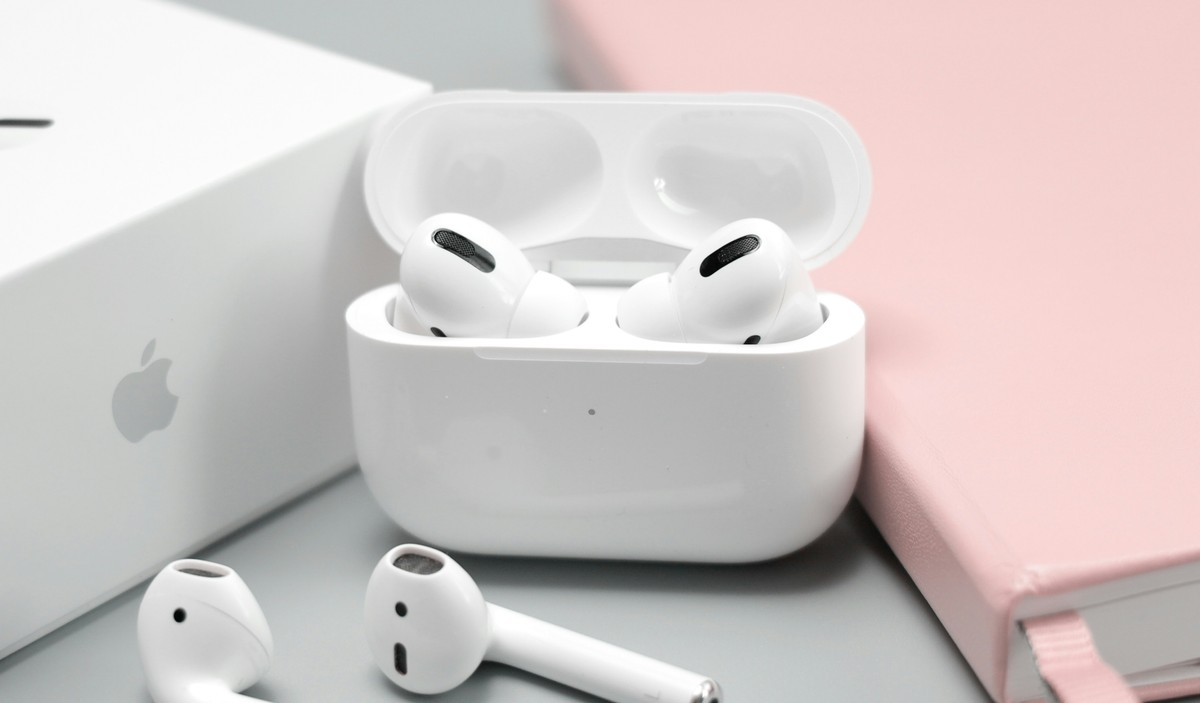
The iPhone manufacturer has suspended a live translation function for customers in the EU, which allows people to automatically explain conversations using headphones.
See also: Apple I am preparing AI surprise. Investors press that the giant takes over perplexity
As “The Telegraph” notes, the Apple website says: “Live translation using AirPods headphones is not available if you are in the EU and the country or region of your Apple account is also in the EU.”
This happens despite the fact that The new feature offers translations from French, German, Portuguese and Spanish. However, it will be available in Great Britain and should continue to allow British users to access translations while visiting European countries.
Apple did not explain why the Live Translation function will not be launched in the European Union, but it is suspected that the reason is regulatory obstacles.
Apple blocks the AirPods translation in the EU due to regulatory fears
Experts from the Macrumor.com technological website believe that “in particular the EU Act on artificial intelligence and the General Data Protection Regulation (GDPR) impose strict requirements regarding the method of providing services related to speech and translations.” It has also been added that Regulatory authorities “may want to examine how the Live Translation function works and how it affects the privacy, consent, data flow and users' rights.”
See also: The whole internet will close behind Paywall? And it becomes too dangerous for business [OPINIA]
On Tuesday, September 9, Apple presented the iPhone 17 and the new version of its Airpods Pro 3 headphones. They are equipped with technology that can explain conversations in real time thanks to the combination with artificial intelligence software (AI). The company announced that “this will help people easily connect.” Airpods users will also be able to translate their speech into another language that will appear on the screen of their phone.
Apple has introduced a number of new functions based on artificial intelligence for its iPhones last summer. However, this delayed their introduction to Europe by March this year in connection with the criticism of the Act on digital markets, which entered into force last year.
Apple argued that EU competition regulations require him to provide rivals with detailed access to their systems and data, warning that this threatens to disclose confidential information about users, such as location data.