Trump refuses to go on the traditional path of American presidents after the killing of Charlie Kirk: “I don't care at all”

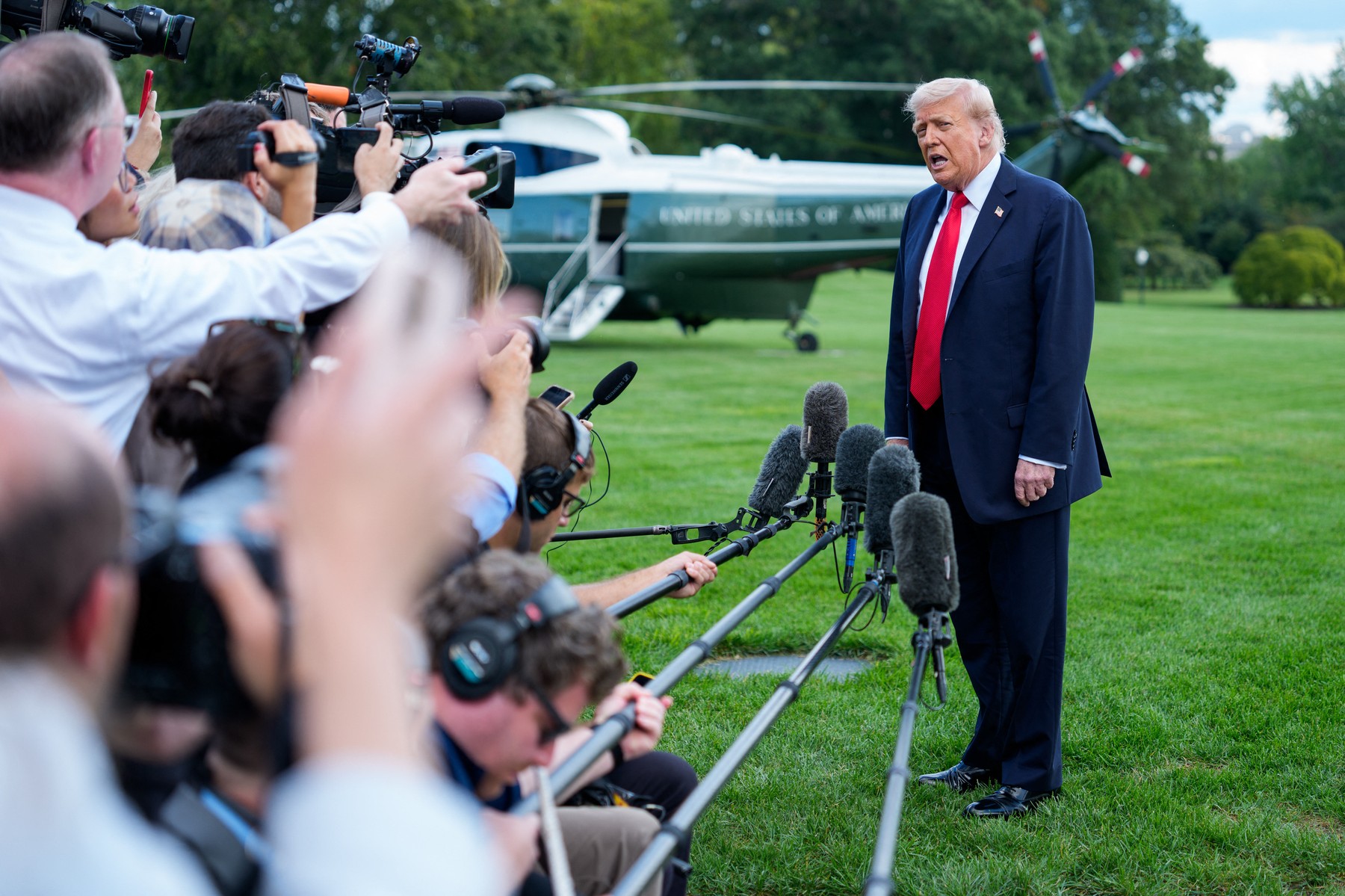
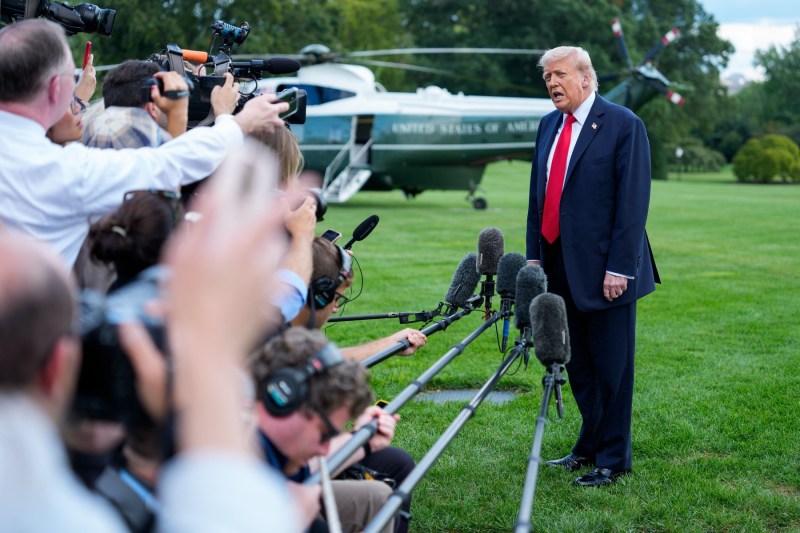
US President Donald J. Trump makes statements when leaving the White House, in Washington, DC, US
Donald Trump has refused to appeal to unity in the US as a way to remedy the divisions in the country following the assassination of the right activist Charlie Kirk, preferring to consider the “vicious and horrible” radicals to the left of the US policy, writes The Guardian, taken by news.ro.
In an interview with the show “Fox & Friends” on Friday morning, the US president was asked what he intends to do to heal the wounds caused by Kirk's shot in Utah.
“I will create problems, but I don't care”
“How can we repair this country? How can we unite again?”, Asked the show, Ainsley Earhardt, who commented that there are radicals in both the left and the right of the American political scene.
Less than 48 hours after Kirk was shot in full day on the campus of Utah Valley, Trump replied: “I'll tell you something that will create problems, but I don't care at all.”
“The right -wing radicals are radicals because they do not want to see crimes … Left radicals are the problem – and they are evil, horrible and ability to politics. They want men in female sports, they will transgender for everyone, they will open borders. The worst thing that happened to this country,” he added.
Trump, away from presidents who appealed to unity
Trump's refusal to seek a common bipartisan path in a moment of deep anger, fear and national mourning was an amazing movement for an American president in office, even according to his standards.
The US has a long history of presidents who have used their rhetorical power to try to overcome political divisions. Perhaps the peak was Abraham Lincoln's second investment, towards the end of the civil war, in which he sought to “heal the wounds of the nation” and insisted on unity efforts “without evil towards anyone, with understanding for all”.
More recently, Joe Biden used his 2021 investment discourse, just a few days after Trump's supporters' assault on the US chapter, to call for unity, without which, he said, “there is no peace, but only bitterness and anger.”
Trump's appearance at Fox News clearly showed that he does not intend to follow this rhetorical tradition. Instead, the tone of his response to Kirk's shooting was extremely partisan and based on revenge, notes The Guardian.
Again accusations against Soros
In Friday's statements, he threatened his philanthropist George Soros with an investigation based on Rico law, the law normally reserved for organized crime.
He accused Soros of funding “professional agitators” who engage in “more than protests, this is real agitation, these are revolts on the streets,” Trump said.
In a speech in the Oval Office a few hours after Kirk was declared dead, Trump made threatening remarks, indicating that he would seek revenge against “organizations that finance and support” political violence. He blamed the current situation entirely on what he called the “radical left”.
The president has already used the second term at the White House to intensify the pressure on those who consider political enemies. He authorized an investigation into the main fundraising channel for the Democratic Party, ActBlue, and threatened to revoke the tax exemption status for progressive groups, such as Citizens for Responsibility and Ethics in Washington (Crew), and ecological groups.