Why did Poland invoke Article 5 and not Article 4 of the NATO Treaty. “A margin of maneuver for later”

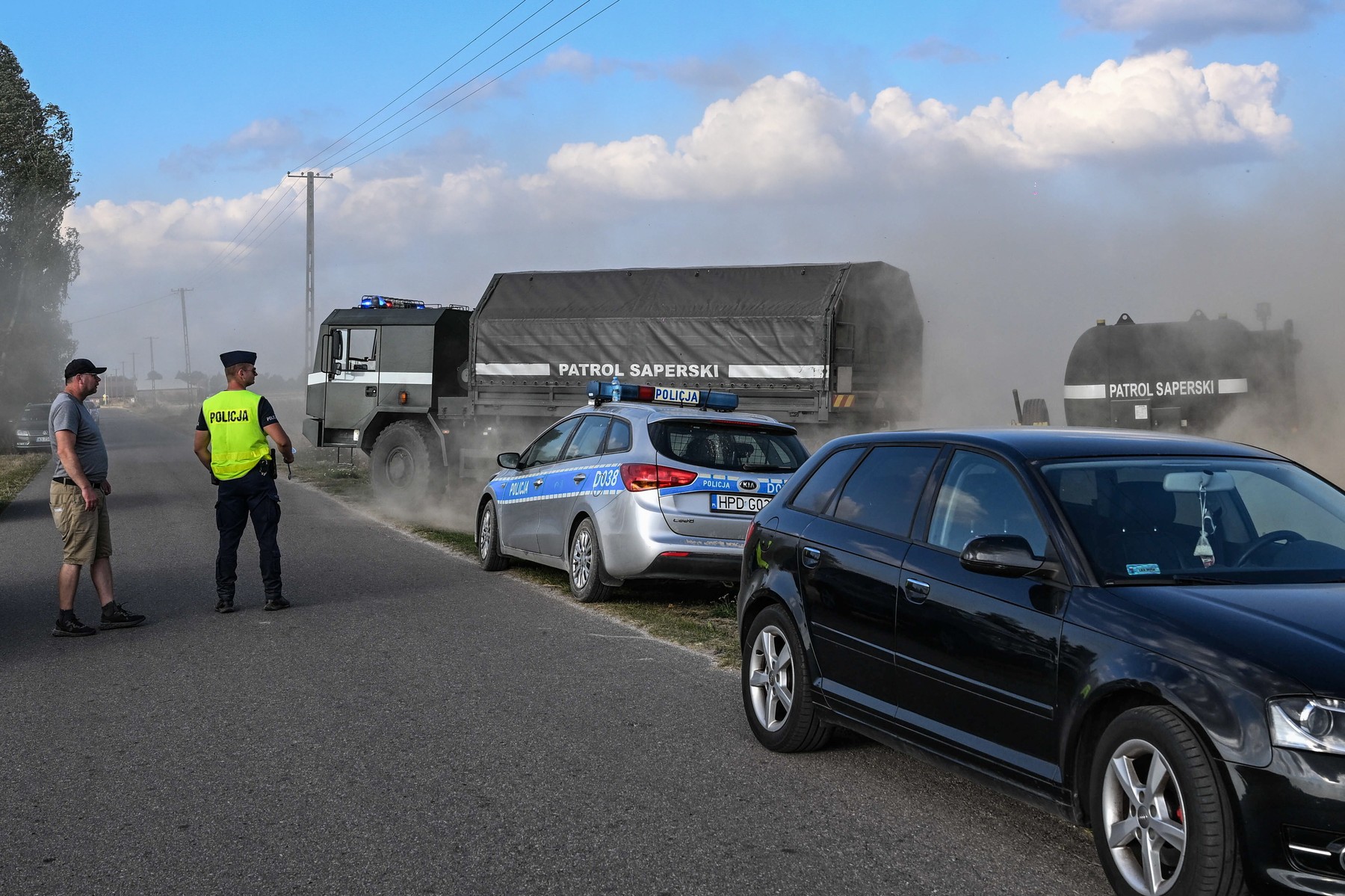
The Warsaw government reacted on Wednesday, following the incursion of Russian drones on its territory, much more decisive than in the past, but has refrained from invoking Article 5, the collective defense clause in the NATO treaty. This clause requires an “armed attack”, a threshold that is not officially defined, but which was considered violated on September 11, 2001, the only time the article was invoked, writes The Economist.
Thus, Poland seems to have decided not to activate this option now, that of triggering Article 5, waiting for a wider Russian aggression. “We leave a maneuver margin,” explained Polish Security expert Marek Swierczynski, “for later.”
Article 4 was invoked only seven times, most recently in 2022, after the beginning of Russia's large -scale invasion.
Article 4 of the Treaty provides:
“The parties will consult each other whenever, in the opinion of any of them, territorial integrity, political independence or security of any of the parties is threatened.”
Explanation in Germany for the non -activating article 5
The incursion of Russian drones into Poland was an unacceptable and intentional challenge against NATO, Boris Pistorius said on Wednesday, adding that, in his opinion, it was a deliberate act, according to Reuters and AFP.
“There is no evidence to suggest that these drones had trajectory errors or they accidentally flew over the Polish territory on this route,” Pistorius told reporters. “This means that we can assume that it was a deliberate action,” added the German government official.
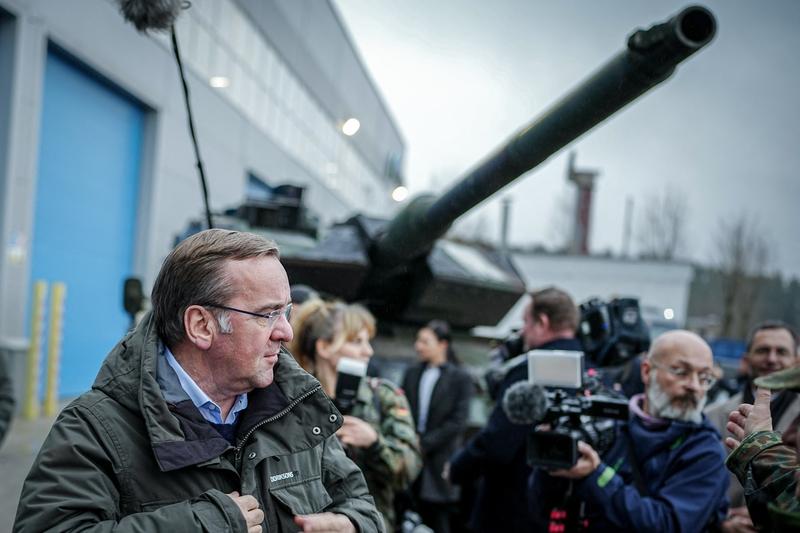 “Clearly set on this trajectory.” Germany says that the incursion of Russian drones into Poland was “a deliberate action”
Asked in what way this incident differs from an attack that could trigger Article 5 of the NATO treaty, Pistorius replied that this is an attack in the sense of violating the Polish air space, but not in the military sense – that is, nothing was destroyed and no people were killed, as far as he knows.
Pistorius added that the North Atlantic Alliance is united and had a clear but balanced reaction. “We focus on strength and unity, but we will not let ourselves challenged,” he said.
The worst incursion on NATO territory after the foundation of military alliance
It is the most serious incursion on the NATO territory since the founding of the military alliance, in 1949. At least 19 Russian drones violated the air space of Poland between 23:30 (on September 9) and 6:30 (on Wednesday morning). Polish hunting aircraft, along with Dutch F-35 aircraft in Poland earlier this month, broke some of them. Others collapsed. One of the drones fell 300 kilometers in the depth of the Polish territory. In a few hours, the Polish government invoked Article 4 of NATO, triggering immediate consultations with allies within the military organization. The Polish army denounced this incident as an “act of aggression”. Donald Tusk, the country's prime minister, noted that it was for the first time that Russian drones were overcome above the NATO territory. Poland, he said, was “the closest to an open conflict since World War II.”
Russian drones and rockets have frequently violated NATO airspace in the past. In fact, Ukrainian officials complained that their international allies have chosen to close their eyes to previous incursions. At the end of August, a Shahed drone crashed into a corn chain in the east of Poland, about 120 kilometers from Warsaw, the capital of the country. At the beginning of 2024, a Russian KH-101 rocket appeared for a short time above Poland, near the border with Ukraine. The Russian drones that seem to have targeted the Ukrainian ports on the Dniester river, insist Ukrainians, intercepted and even landed over the river, in Romania. Finland recently accused Russia of violating the airplane with military aircraft twice, in May and June, and Estonia made a similar accusation earlier this month.
But the extent of the last incursion far exceeds the previous violations of Russia. Drone's “dam” forced the closure of Polish airports. President Karol Nawrocki evoked “an unprecedented moment in the history of the Alliance.” In a speech addressed to the Parliament, Prime Minister Tusk demanded the “total mobilization” of NATO member states and rebuked those who tend to criticize European countries, instead of Russia, for the Ukraine war. “At a time when Russia's aggressive intentions leave no doubt, you don't look for an enemy in the West,” he said. “The only real enemy we have in the east is enough,” Tusk added.
Poland does not risk anything, against the background of Zapad-2025 military exercises
Other such incursions may follow, notes the British publication focused on economics, politics and global business. Starting September 12, Russia will organize military exercises “Zapad-2025” (West-2025) in Belarus, even across the border with Poland. On paper, 13,000 soldiers will be involved. It is expected that the real number will be considerably higher, as it was during the last Zapad exercise, in the autumn of 2021, which gathered about 200,000 soldiers. Russia attacked Ukraine five months later.
And Poland decided not to risk anything. Tuesday, September 9, Tusk announced that his country will close its border with Belarus before exercises.
“On Friday, the Russian-Belaruse maneuvers, very aggressive from the perspective of military doctrine, will start in Belarus, very close to the border with Poland,” said Tusk, during a government meeting. “Therefore, for reasons of national security, we will close the border with Belarus, including railway crossings, against the background of Zapad maneuvers at midnight,” added the head of the Warsaw government.
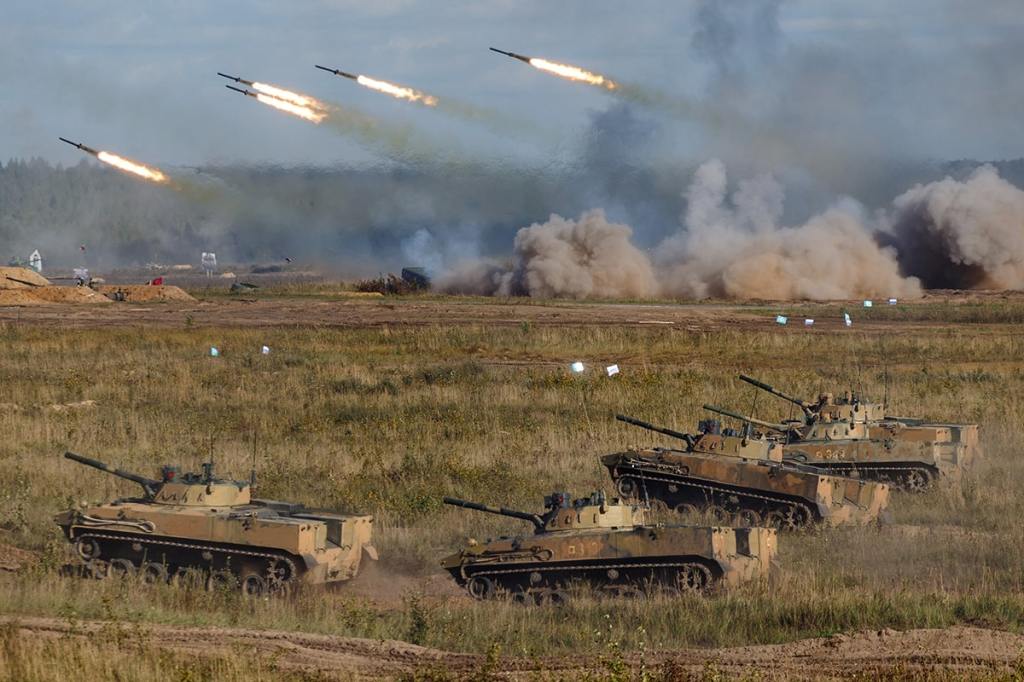 “For reasons of national security”. The decision taken by Poland, shortly before two of his neighbors start “very aggressive maneuvers”
A few hours later, after Tusk's announcement on the closing of the border with Belarului, Russian Drone began to appear in the country's airspace. Many of them entered Poland directly from Belarus.
In a statement, Minsk said that the drones “deviated from the course” due to the use of electronic war equipment by Russia and Ukraine.
What Moscow claims
Russia claims, on the other hand, that the drone's incursion was unintentional. The Ministry of Defense in Moscow said that the incursion was “accidental” during an attack on Ukraine and that they did not target any goals in Poland.
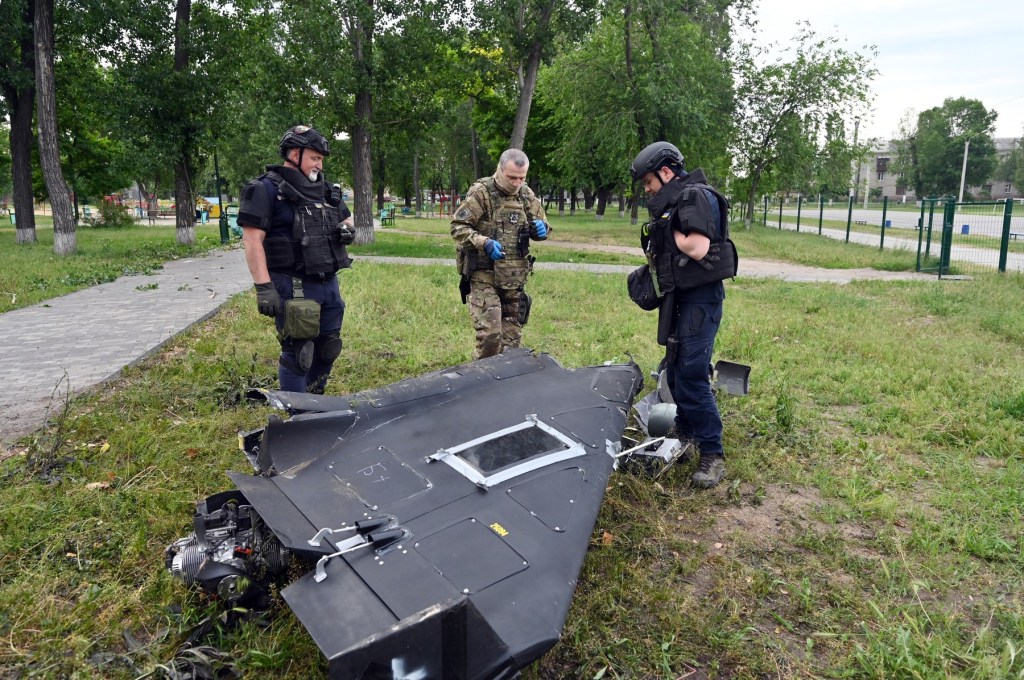 Russia officially announces that it “did not have the intention” to attack Poland targets in the night incursion. What is trying to suggest referring to the range of his drones
The Russian Ministry also said that he is “prepared to participate in consultations on this topic with the Ministry of Defense.”
An analyst: “We can consider it a deliberate foray”
Analysts challenge this explanation. “It is hard to believe that 19 drones could have been out of control,” says Marek Swierczynski, a security expert at Polityka Insight, a Think-Tank.
“We can consider it to be a deliberate foray,” he said.
A high Western military official who has detailed knowledge of incidents says that incursions seem to have been intended. Russia could test Polish anti -aircraft defense to find weaknesses, a mission for which drones are commonly used in Ukraine.
It is believed that the drones found in Poland are the Gerbera model. These cheap drones have been used largely as a “bait” to overwhelm the Ukrainian defense, according to the International Institute for Strategic Studies, a Think-Tank in London. Ukrainian secret services said the model Gerbera was initially developed by a Chinese company.
NATO leaders aware that Putin test NATO
In turn, Russia seems to test the availability of NATO allies of Poland to react collectively to an obvious challenge. President Vladimir Putin has long aims to destroy the solidarity of the Alliance, demonstrating that its members are not willing to respect the guarantees established in their Charter.
And the leaders of the Alliance seem aware of this risk. Mark Rutte, NATO's Secretary General, asked Russia to “cease the ally air space” and warned that “we will defend every centimeter in NATO.”
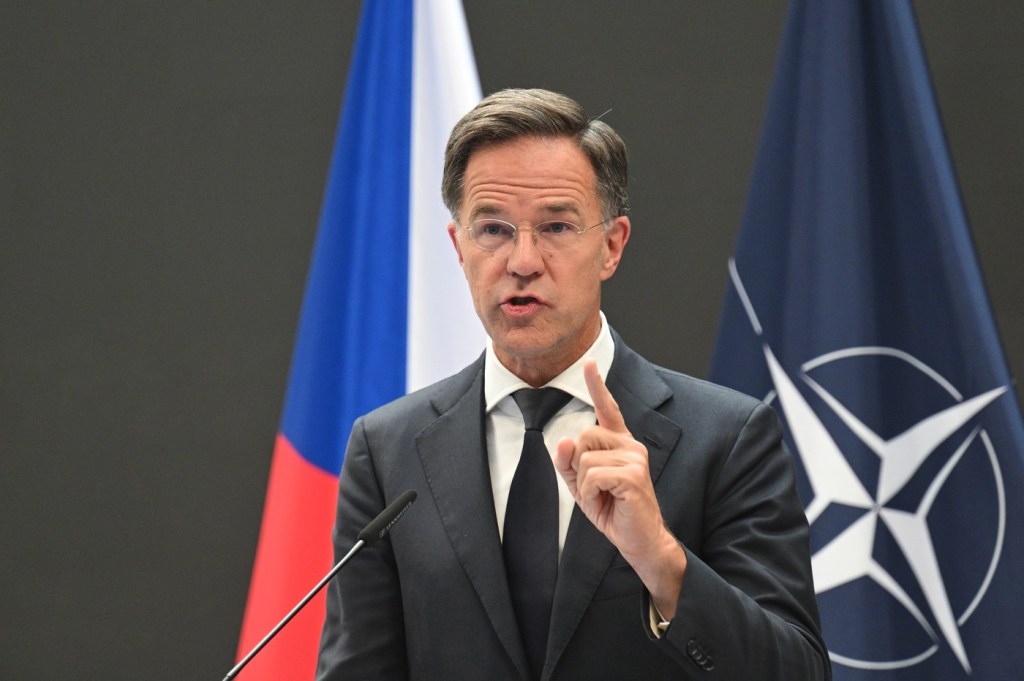 The head of NATO, “clear” message for Vladimir Putin. What the Kremlin says about drone foray in Poland
Tusk also announced on Wednesday that he had discussed with Finland, Denmark, Norway, Sweden and the Baltic states, which he described as countries that “clearly see Russian threat.”
Rutte qualified the incursions as “reckless and dangerous”, but said that the intelligence services of the Allies are still analyzing them to determine if they were intended.
And Putin will follow if there will be serious consequences, notes The Economist, who points out that not adopting measures after an unprecedented violation of a NATO member country would approach the Kremlin leader with a step.