How the Romanians approach the presence of bears in crowded areas. “I'm not like Baloo in the Jungle Book. They are totally different”

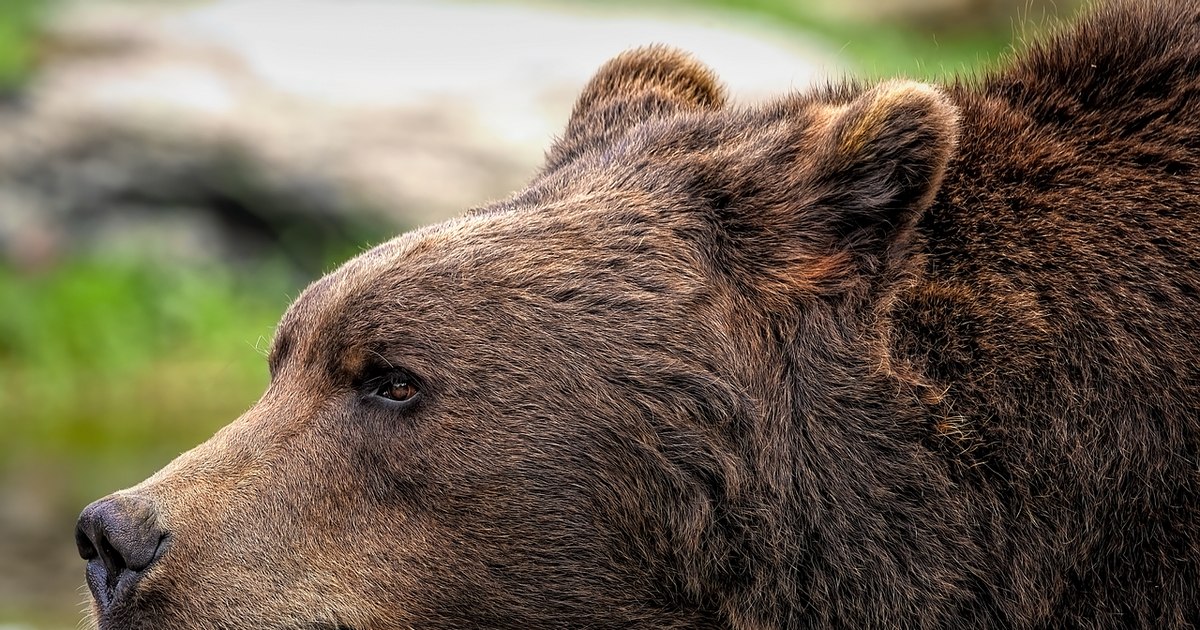
Bears have become accustomed to the presence of people and stay for hours in picnic areas and on crowded routes. Instead, people oscillate between denial of danger and exaggerated panic, between irony and requests for drastic measures.
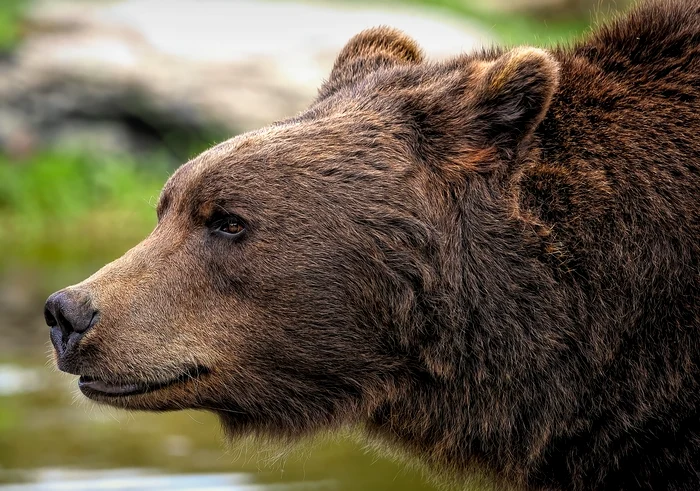
Photo source: pixabay
On forums, experiences are different
“In 20+ years to go to Solomon's stones, including at night, I have never seen a bear. Take a whistle and wear a bear spray but I can assure you that you will most likely not need them.” He tells Reddit a Brasov who has been hiking for more than two decades tells Reddit:
Another user confirms: “I climbed that route at least 50 times, and in the group and alone. I did not see.” In reply, someone else comments: “I saw the bear both on the old road and on the forest. (…) Just do not think it is 100% safe. Bears are a major problem in this area.”
Another comment describes the situation concretely: “A friend met the bear on the old road last week, at the weekend, in the middle of the day when he was full of the world. From what I understood, at one point he left, but the world was a bit scared.”
Someone else does the inventory of recent meetings: “Four days ago I saw the bear with three chickens on the water valley. In the meadow, near the gondola, there is another bear with two chicks. To the postman there are three other bears on different routes.”
No daily reports are missing: “I have moved to Brasov for three years, I saw bears tired, including 7 stairs, on the cross, on the edge of the DN at Predeal and Noua.”
The tone then changes: “It is ideal to panic, to arminate with spray and vuvuzela when we go to Lidl to take bread at 12 day. (…) To wake up a bit and give a context to the problem, that the psychosis is not healthy and the bear is eating.”
The replica comes immediately, bitter: “The major problem is that you don't even have to get out of the city to eat your bear. But hey, let's normalize this thing and when we meet the bear on the middle street to laugh, beat on our shoulder and say that it is in the mountain, more clean, a bear in front of the block.”
Case study: The evening of August 29
On August 29, at Solomon's stones, a three -chicken bear remained for hours among tourists. Deputy Mayor Dan Ghiță told about the episode on his Facebook page.
“6:54 pm – 112, alert bear the stones of Solomon. The gendarmes intervene that finds the presence of a bear with 3 chickens. A little panic, many tourists, one were not Romanian. The bear approaches the group of tourists, the gendarmes are preparing to shoot on the animal. removed from the area ”, he writes.
An hour later the bear is still there, walking to the grills abandoned in a hurry by a few “heroes” who initially did not listen to the advice of the gendarmes, adds Ghiță.
“When they saw the bear, the” courage “passed. About 20:30, dark darkness, there are two “climbers” who had heard that there were bears in the area but, because they never met them, they thought they were stories! Intense car traffic at the end of the line the stones of Solomon. Some with shaorma, others with babe, each by possibilities. They are warned not to remain in the area but the famous “yes' why?” appears permanently ”he explains.
After 21:30 the bear took his chicks and left. “Not because the intervention team was agitated, but because he did not find the food he wanted. Then the foxes came and the stones left the silence,” says Dan Ghiță.
His conclusion is clear: “The bear does not care about the man, the man does not realize the danger, he may follow a new drama in this relationship. (…) Bears are not like Baloo in the Jungle Book. They are totally different.”
Perceptions are headed: for some, the bear does not exist, for others it appears even in the middle of the day. Among the ironies about “collective psychosis” and absurd minimalizations, the facts remain the same: the bear no longer runs, but remains among people when he finds food. The animal has adapted, people react fragmented, and the community oscillates between normalization and panic.
“If before people came to see the bears, now the bears come to see people.”
The problem of bears in Romania has reached the international press. The New York Times has published a report on the animals that descend from the forests, enter the households and scare the locals in the mountain villages. On Transfăgărășan, the occurrences of bears became common. Fascinated, tourists stop cars to take pictures or give them food. “I saw about five on the route, on the roadside”, tells a woman. Another tourist confirms: “And I, coming back to Transfagarasan, I saw a bear and saw a lot of population stop to greet them, to give them food, a risk that should not be assumed.”
However, the gestures can be fatal. In July, an Italian motorcyclist was killed after approaching a bear to photograph it. And recently, a Polish tourist was attacked near a hotel in Arefu, Argeș, while trying to feed a bear. This time the victim survived.
The locals in the area live daily with this fear. “I am in the commune every evening, every night they started to go on the road. You can not go on the road on the road, the commuters can not go to work,” says Vasile Vlaicu, deputy mayor of Arefu commune, quoted by Digi24. “There were many attacks in the village, even I personally had 14 sheep attacked and eaten. We can no longer live with this fear every night!”
The New York Times report underlines the transformation of this phenomenon: “If before people came to Romania to see bears, nowadays, bears are the ones who come to see people.”
Specialists warn that climate change and easily accessible food explain the adaptation of animals. “” People are no longer aware that they are wild animals living in the woods. (…) A bear, who before making one or two chickens, now makes three chicks. And this is because winters are no longer as they were, food sources are increasingly easy to find, including dumps, scraps thrown by tourists. hand ”, explains the lifeguard Daniel Pasca, for Digi24.
Official data show that the bears population is about three times higher than the habitat would allow. Although their feeding on roads is strictly forbidden, the phenomenon continues, increasing the risks for both humans and animals.
The deputy mayor of Brasov, Dan Ghiță, draws attention, on his Facebook page, that the bear population should be reduced so that the animals remain in their natural habitat and interact as little as possible. In addition, he emphasizes that travel in the woods after leaving dark means “Challenge personal luck” And he recommends tourists to respect the instructions of the intervention teams that put the human life in the first place. “Do not try to feed the bears to come out of a selfie. It is possible to be the last!”, warns Ghiță.