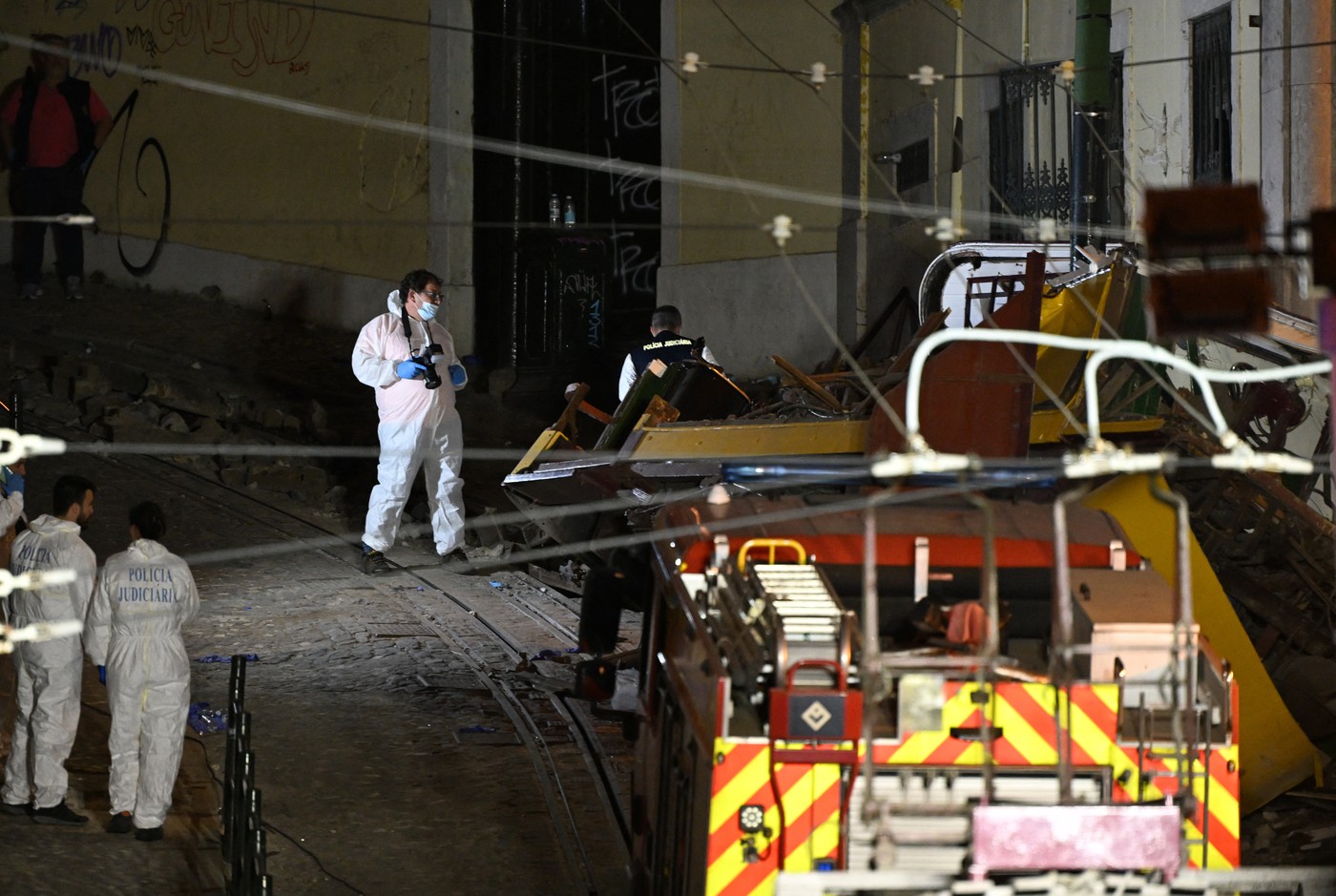
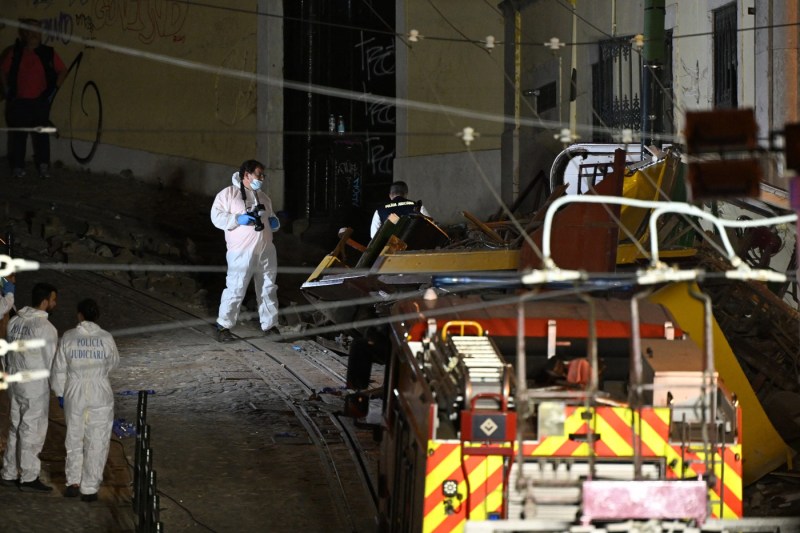
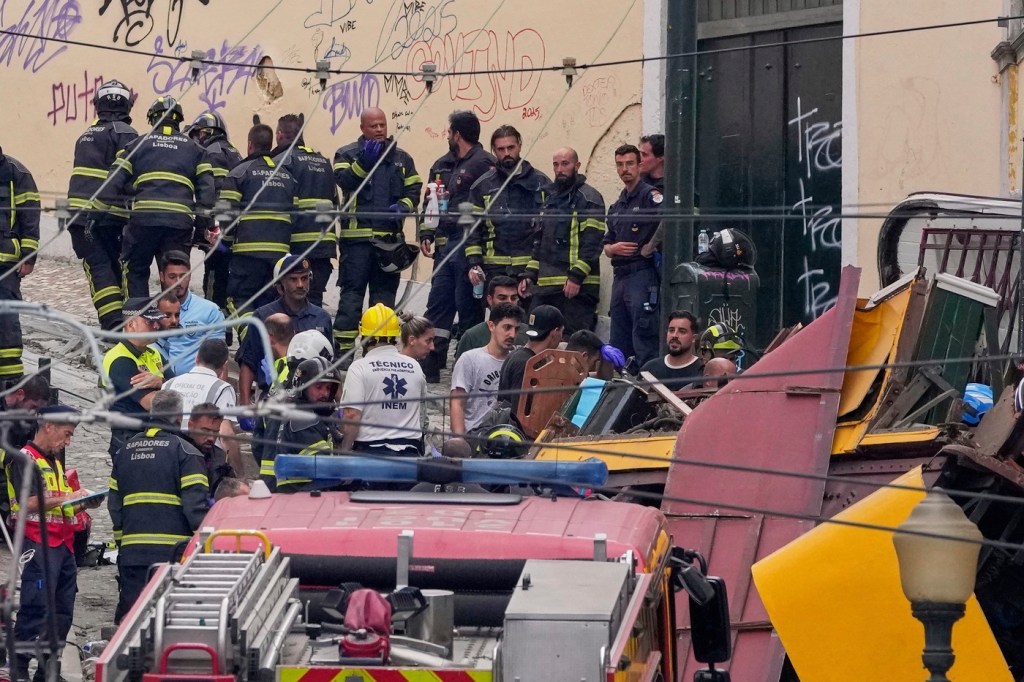
Lisbon, Portugal – September 03: Rescuers and Firefighters operate at the scene after the Gloria Cable Railway Derailed in Lisbon, Portugal, 03 September 2025. Least 15 DIED IN THE DERAILMENT, WITH EMERGENCY SERVICES REPORTING THAT 20 WERE INJURED AND OTHERS AR scenes. Zed Jameson / Anadolu / Abacress.com, Image: 1033953532, Licenses: Rights-Managed, Restrictions:, Model Resease: NO, Credit Line: AA / Abaca / Abaca Press / Profimedia
Portugal is in shock after 15 people have lost their lives in the derailment of the Gloria, 140-year-old, an important tourist attraction of the capital Lisbon.
Another 18 people were transported to the hospital, five of them being in serious condition, according to emergency services, quoted by the BBC.
Among the people killed in the accident that took place around 6:05 pm were foreign citizens, although the nationalities could not be confirmed, the authorities said.
The mayor of Lisbon, Carlos Moedas, visited the hospital on Wednesday night. Qualifying the situation as a “tragic moment for the city”. The government of Portugal, which will host the mayor at a cabinet meeting on Thursday, said national mourning day.
The president of the country, Marcelo Rebelo de Sousa, expressed “condolences and solidarity with the families affected by this tragedy”.
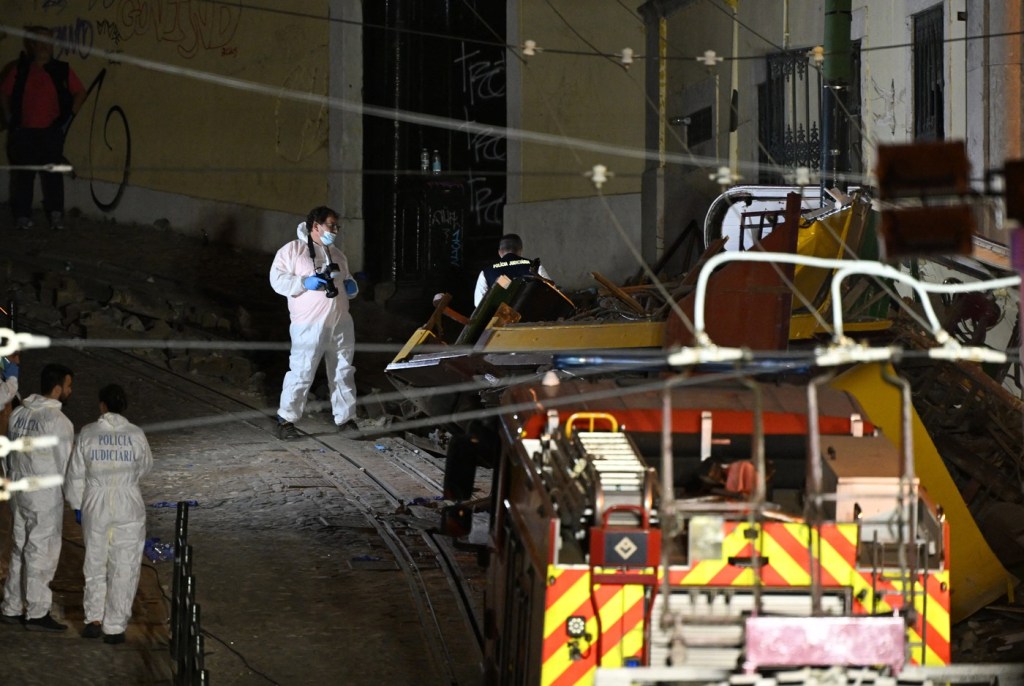
Police and other Emergency Services workers spent many hours on the spot, while various incident investigations began – they were started by the company that manages the funicular, by the National Transport Safety Authority and the Criminal Police
The head of the public transport operator in Lisbon, Carris, visited the accident site on Wednesday night, the company emitting a statement stating that major maintenance work were carried out every four years and every two years, according to the requirements, as well as daily, weekly and monthly checks.
But the reports of the eyewitnesses suggested that the braking system of the funicular cable is damaged, sending it to the steep street and in a building.
Authorities said several people had to be released after they were stuck in the wreck.
It is not clear how many people were on board at the time of the cable car accident, which took place near Avenida da Libedade.
What do we know about the fatal derailment of the Lisbon funicular
The images widely distributed on social networks showed how the bright yellow carriage was overturned and was destroyed almost entirely. People could be seen running away from the area on the floor, while what seems to be smoke filled the air.
A witness told the Portuguese newspaper observed that the vehicle was “out of control, without brakes.”
“We all started to run because we thought we would collide with the cabin below,” said Teresa d'Avó.
“But he fell after a curve and hit a building.”
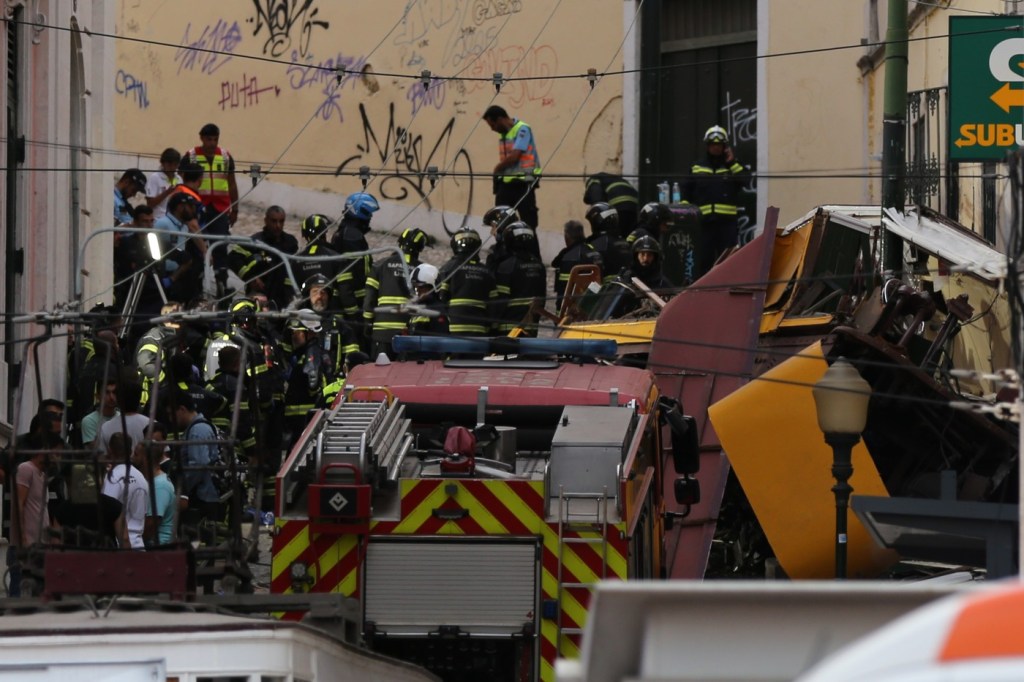
Another person told Portuguese television channel that the funicular hit a building while descending at maximum speed on steep street.
“He hit a building with a brutal force and collapsed like a cardboard box; he had no brakes,” the woman said.
Lisbon authorities say it is too early to determine the cause of this incident.
However, Obădor reported that a cable has been detached along the railway route, causing loss of control and collision with a nearby building.
The President of the European Commission, Ursula von der Leyen, transmitted condolences to the families of the victims.
The Prime Minister of Spain, Pedro Sánchez, said he was “dismayed by the terrible accident.”
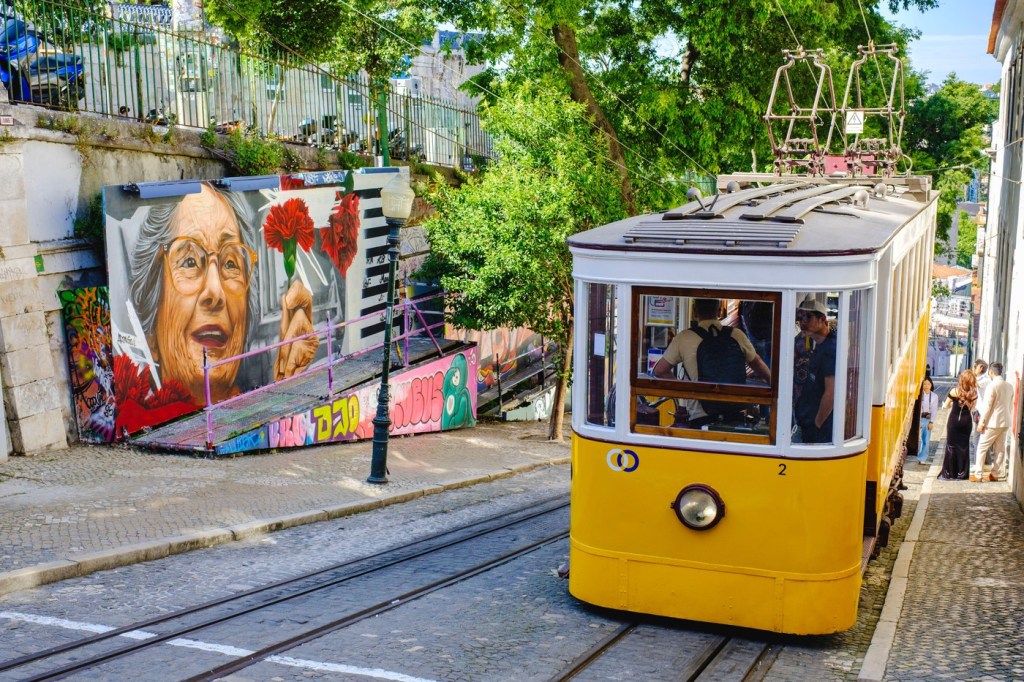
A funicular is a type of railway system that allows the journey up and down on steep slopes.
The two wagons on the Gloria funicular are operated by electric motors. They are attached to the opposite ends of a traction cable, which means that, as one lowers the slope, its weight lifts the other, allowing them to climb and descend simultaneously.
The Gloria funicular is one of the most famous tourist attractions and tourist objectives in Lisbon. It was opened in 1885 and electrified three decades later.
He travels about 275 m from Restoadores, a market in the middle of Lisbon, to the picturesque and cobbled streets of an area called Bairro Alto – or the high neighborhood – in just three minutes.
It, and the other funicular, are used by Lisbon inhabitants, but are also extremely popular among tourists.