The German Minister of Defense criticizes Ursula von der Leyen: “Fundamentally wrong” to publicly discuss the sending of troops to Ukraine


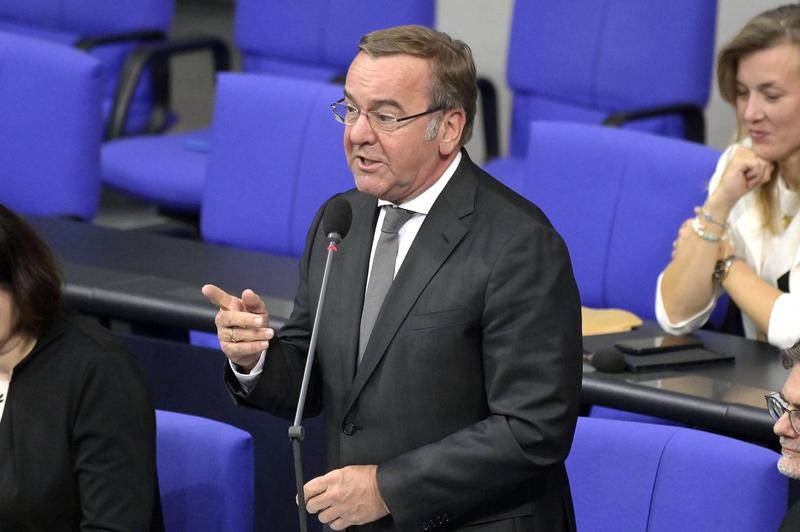
Boris Pistorius, photo: Hotnews
The German Defense Minister Boris Pistorius on Tuesday criticized the President of the European Commission, Ursula von Der Leyen, because he publicly launched the idea of sending multinational troops to Ukraine, as part of long-term security guarantees, Polito notes.
Pistorius said that it is “fundamentally wrong” to discussed such options before some peace negotiations.
“The European Union has no responsibilities or skills when it comes to sending troops – for anyone or for anything,” said the Minister of Journalists, on a visit to a factory in the Defense Industry in Troisdorf, western Germany. “I would refrain from confirm or comment in any way such ideas.”
He acknowledged that governments analyze what could be possible “under what conditions and with what reservations”, but stressed: “Let's talk about it, at this moment, it seems completely wrong.”
Ursula von der Leyen: Europe develops “precise” plans for sending troops to Ukraine
Pistorius' statements come in a reaction to the interview given last weekend by Ursula von Der Leyen to the Financial Times, in which she said that Europe elaborates “quite accurate plans” for a multinational development in Ukraine, as part of the warranty after the war.
The head of the European Commission said that plans could involve tens of thousands of soldiers from European countries, with American support in areas such as information and order.
Von Der Leyen has argued that solid guarantees are “essential” to protect Ukraine from a possible new Russian aggression and to ensure Europe itself. She also welcomed the availability of US President Donald Trump to contribute what she described as a “security guarantee similar to Article 5” for Kiev, referring to the NATO collective defense clause.
However, the idea of stationing Western troops in Ukraine is extremely divisive. France and the United Kingdom discuss the subject, the United States and other NATO countries, such as Poland, excluded the sending of troops, while other governments have not clarified their position.