“Humor does not have to be noisy to be strong.” Interview with Yuval Robichek, a famous illustrator who publishes in New York Times and Time Magazine

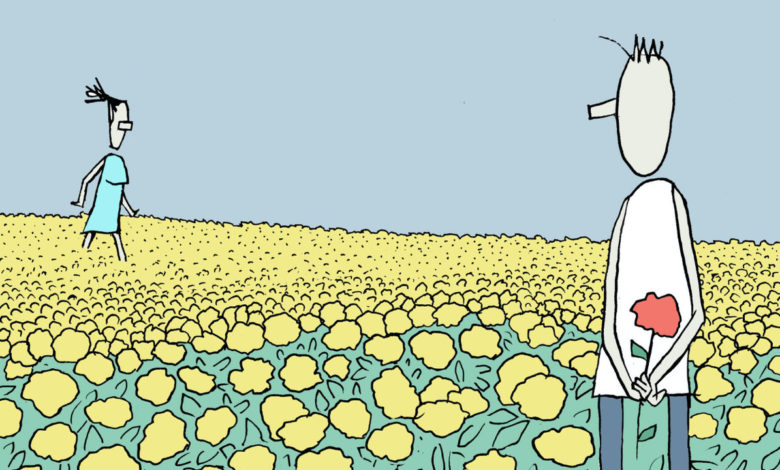
Originally from Tel Aviv, known for his minimalist illustrations, but deeply loaded with meaning, Yuval Robichek finely explores human relations, vulnerability, irony and everyday absurdity. Hotnews spoke to the Israeli artist about his fine humor drawings, which you can meet in prestigious publications such as New York Times or Time Magazine and who stay in mind for a long time.
Yuval Robichek He studied “Humor in Arts” at the School of Visual Arts in New York and has since built an unmistakable, tender, subtle, but sharp artistic voice. His drawings are visual translations of feelings that we cannot always put in words: the distance between two people who love each other, the void between intent and gesture, or the fragility of a hug.
His works were exhibited internationally and appeared in prestigious publications such as The New York Times or Time Magazine, but beyond recognition, Yuval remains faithful to the essence: making art that touches, not impressing. Through a fine balance between humor and melancholy, he invites us to look inside-with a light smile and a knot in the throat.
“Each line must have a purpose”
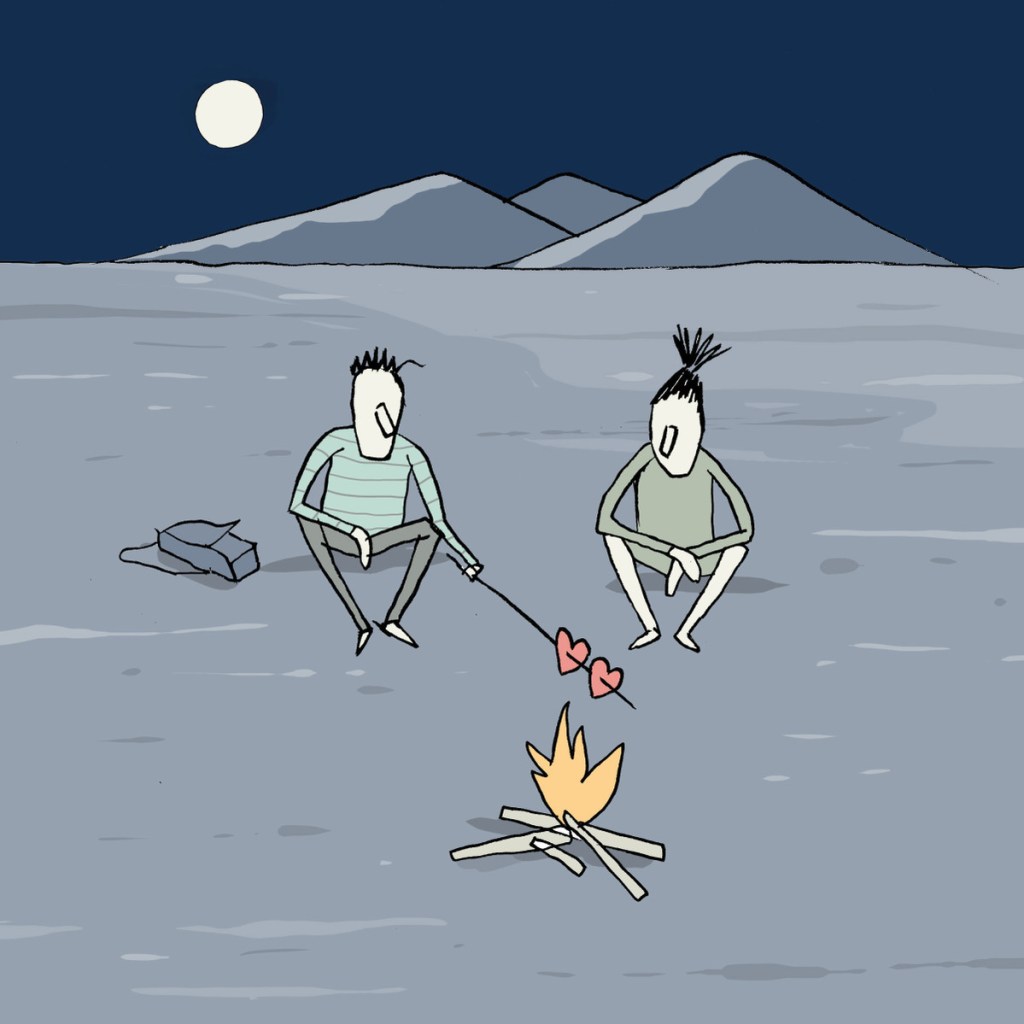
HotNews.ro spoke to Yuval Robichek about minimalist art in the era of artificial intelligence and war.
A thin line, an empty space, a suspended touch-and suddenly you remember someone you loved and never understood.
“I am attracted by simplicity because it imposes clarity. Each line must have a purpose. I always wonder what is essential to tell the story and what can be eliminated without losing meaning,” says Yuval, from his studio in Tel Aviv.
It does not sound like an artistic claim, but of emotional discipline. Robichek does not draw with big ideas in the head, but with small sensations that turn into stories. “For me, tenderness and humor are deeply tied. Life is rarely only one thing. I try to capture both facets without forcing them, leaving them to coexist naturally,” he says.
This carefully dosed lightness comes, perhaps by chance, from his “humor in art” studies at School of Visual Arts in New York – a title that looks like a joke. He learned to trust subtle.
“Humor does not have to be noisy to be strong.” It is stronger when it slips down, along with vulnerability. “The study offered me tools to combine humor with vulnerability-something that feels very true for my nature,” says Yuval.
And from here comes the magic of his works: when you make you laugh, when you soften you a little. In a world where everyone cries, he whispers. About privacy, loneliness, gentle dissonances. A couple in bed that looks close and yet so far away. A man who caresses a silhouette drawn on the wall. A dance of absence. “Usually, the concepts appear as I draw. I rarely sit with a complete idea. Sometimes, a small emotion or an image appears, and the story is built around it,” he says.
“My art is no activism and no escape”
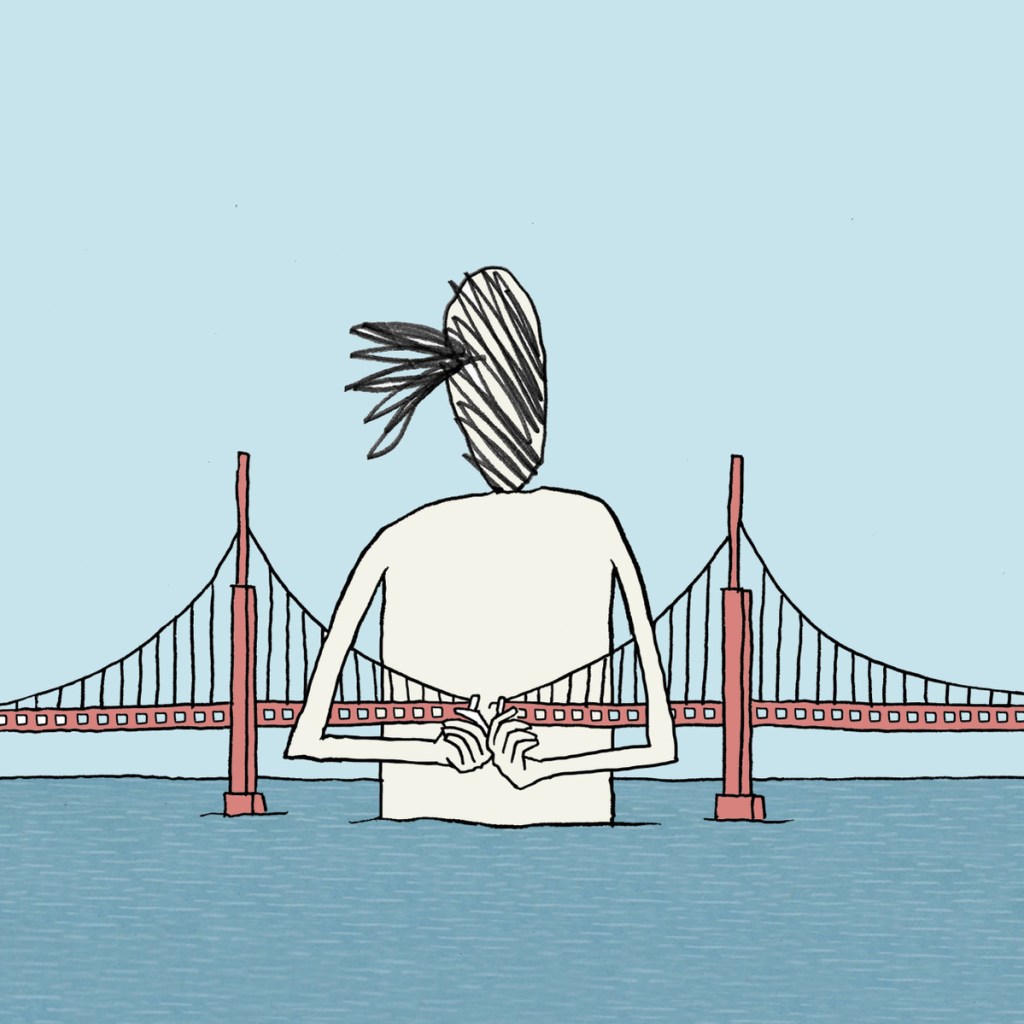
Robichek's Tel Aviv is not just a background. It is a city with a hectic pulse, with an intense political climate and with the war at the door. But instead of loading art with manifests, he chooses something else: to focus on the “small human moments”. “In a chaotic environment, daily gestures-a hug, a look-become even stronger and more worthy of being captured.” Instead of running, he reflects. Instead of commenting, listen.
“My art is no activism and no escape. It is my way of making sense of what I feel, from the surrounding noise.”
But even without wanting, the tense times we live in leave. “Yes, but often in subtle ways. The weight of recent times slip into works, sometimes visible, sometimes remaining under the surface.”
Human drawings in AI AI
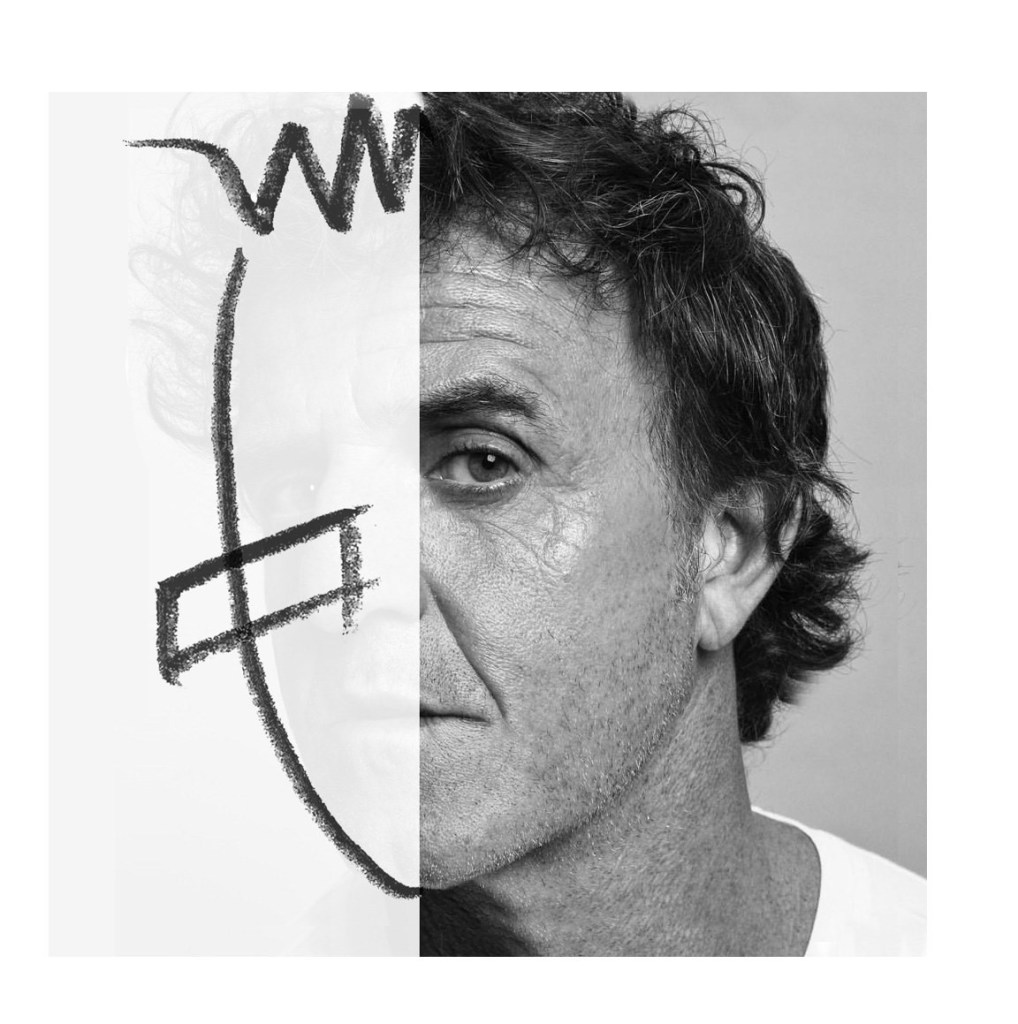
He does not scare him artificial intelligence. It doesn't even idealize it. “Like any tool, it all depends on how you use it. It can inspire, but it can also lead to repetition if you are not careful.” But he believes that, paradoxically, the role of the human artist will become more important. “Not because we create faster, but we create real emotions and contradictions that cars cannot reproduce.”
He says he draws without seeking validation, but recognition came anyway. New York Times, Time, magazines and galleries. The question is whether fame changed.
“It is a great honor. Recognition opens doors, but it reminds me and to remain faithful to the reasons why I started to draw. It gave me confidence, but it has not changed the essence of what I do. There is always a certain pressure to be recognizable, but I am more interested in evolution. I think the true growth comes out of curiosity and openness.”
The space between two people
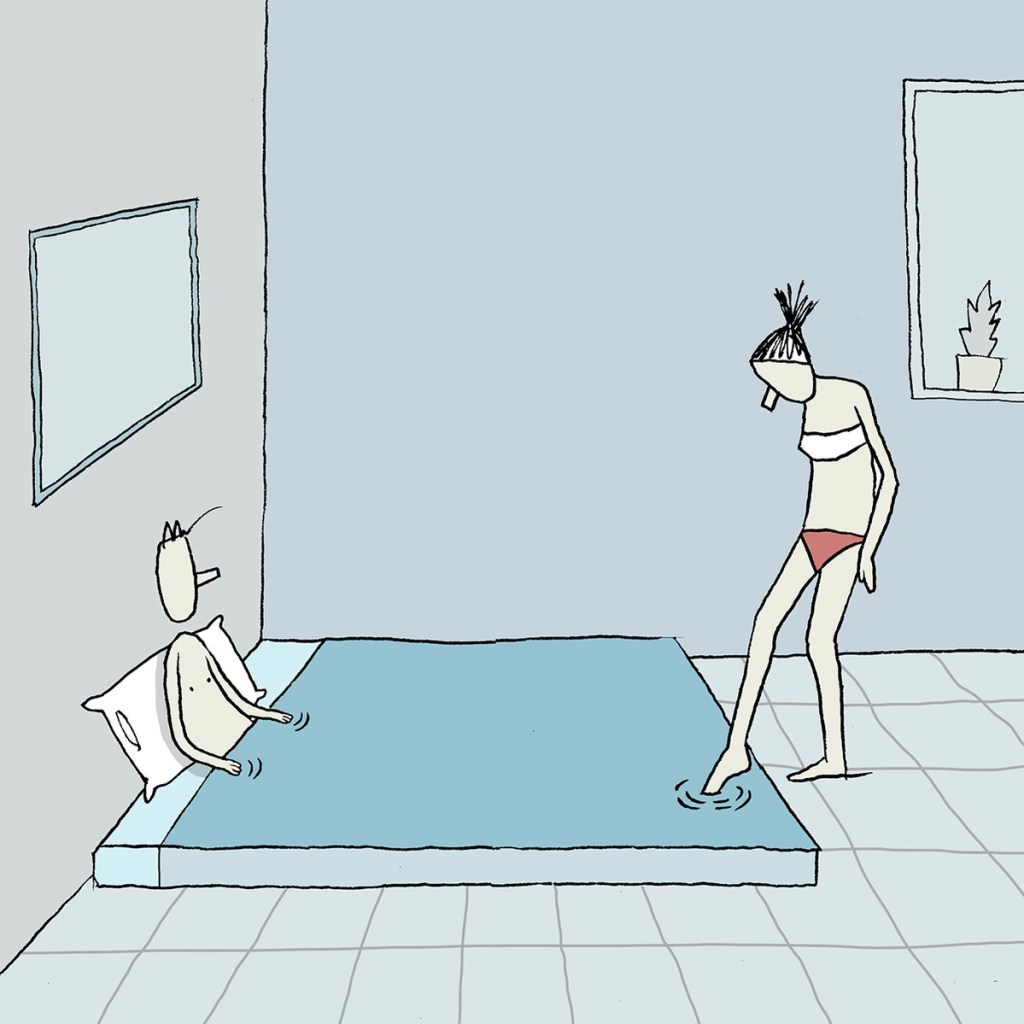
I ask him what the drawing is defining it. Don't hesitate. “Type toe. Two people easily touch the surface of a mattress, as if it were water. It surprises the delicate balance that I try to bring into my works-between closeness and distance, weight and ease, reality and imagination.” In a strange way, Robichek manages to say everything that matters without saying anything directly.
This also explains why his audience is global, from Tokyo to Timisoara. Emotions do not need translation. “Love, loneliness, hope, fear – all exists in any language and in any place.”
But the topic he always returns, obsessively? “Yes. I often return to the space between connection and disconnection. To how close we can be by someone and yet we feel far. That tension keeps me curious.” A theme like a human life, I would say.
And maybe that's why his illustrations are never “cute”. There are fragments of emotional truth, drawn with a line that, if you follow it enough, leads you directly to something you did not know that it hurts or hurts.