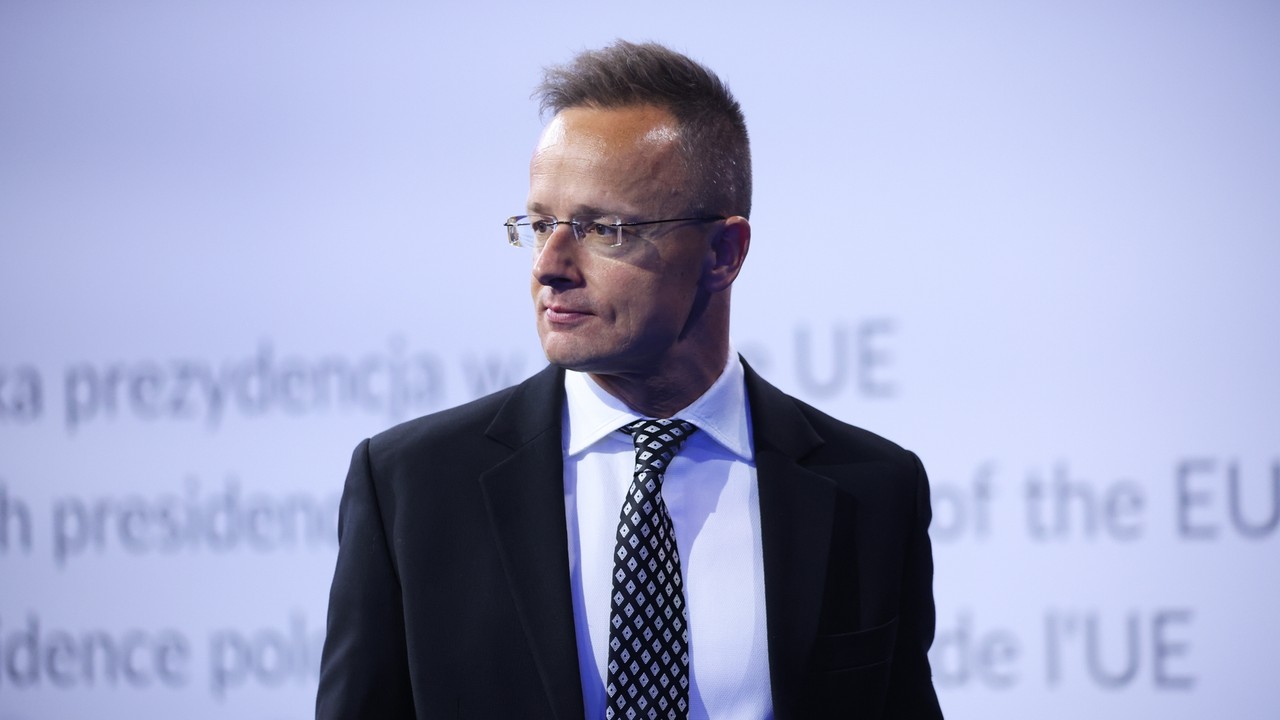
The minister assured that Hungary does not wish the Ukrainian nation anything wrong, thus distinguishing the position of their country from the attitudes of the Ukrainian authorities, which he thinks is characterized by “extremely low moral level”. Szijjártó noted that he did not want Ukrainian apartments with young children to remain without heating, because the youngest should not be responsible for the president's decisions.
Hungary threatens serious consequences
The head of Hungarian diplomacy recommended the Ukrainian authorities that when making subsequent decisions regarding attacks on the “Friendship” pipeline, they remembered that Hungary, by suspending power supply, could have serious difficulties in Ukraine that would have catastrophic effects. Earlier, Prime Minister Viktor Orbán said that Hungary was able to destroy Ukraine in one day, cutting off gas and electricity, but they are not interested.
After a series of threats towards Ukraine, Szijjártó pointed to Croatia and the European Commission as responsible for the fact that Hungary – unlike other European Union countries – failed to find alternative sources of oil outside Russia.
Croatia and the European Commission in Budapest's crosshairs
According to the Hungarian minister CHorviation did not increase the capacity of the “Adria” oil pipeline, which Hungary wanted to use after the Ukrainian attack on the Russian pipeline “Friendship”. Szijjártó claims that Budapest asked Zagreb to increase the transmission possibilities, but Croatia did not take action, guided by economic, financial and egoistic considerations.
Hungary then turned to the European Commission, asking for emphasis on the Croatian authorities. Szijjártó reported that Brussels had an attempt to intervene, but the Croats not only did not increase the surgery of the oil pipeline, but also raised the transit fee five times. The minister noticed that Croatia was aware of the growing demand of Hungary on the “Adria” oil pipeline after attacks on “friendship”, which resulted in the need for Budapest to pay the so -called war bonus for oil imported from Croatia.