The head of the ministry emphasized that The softening of the monetary policy should soon become possible, which in his opinion will give the economy an additional development impulse.
Read also: The Prime Minister assures that he will “not argue” with the president by 800 plus
Russia in trouble. Yes, the war gradually destroys the economy
Although the Russian GDP in 2023–2024 grew relatively quickly, the dynamics clearly brake. As the Reuters agency notes, The reason for the slowdown is primarily high interest rates, which the central bank maintains to limit inflation. This in turn results from huge expenses for waging war in Ukraine and from the increasingly severe shortcomings – Hundreds of thousands of Russians went abroad after the invasion began, and some men were mobilized and sent to the front.
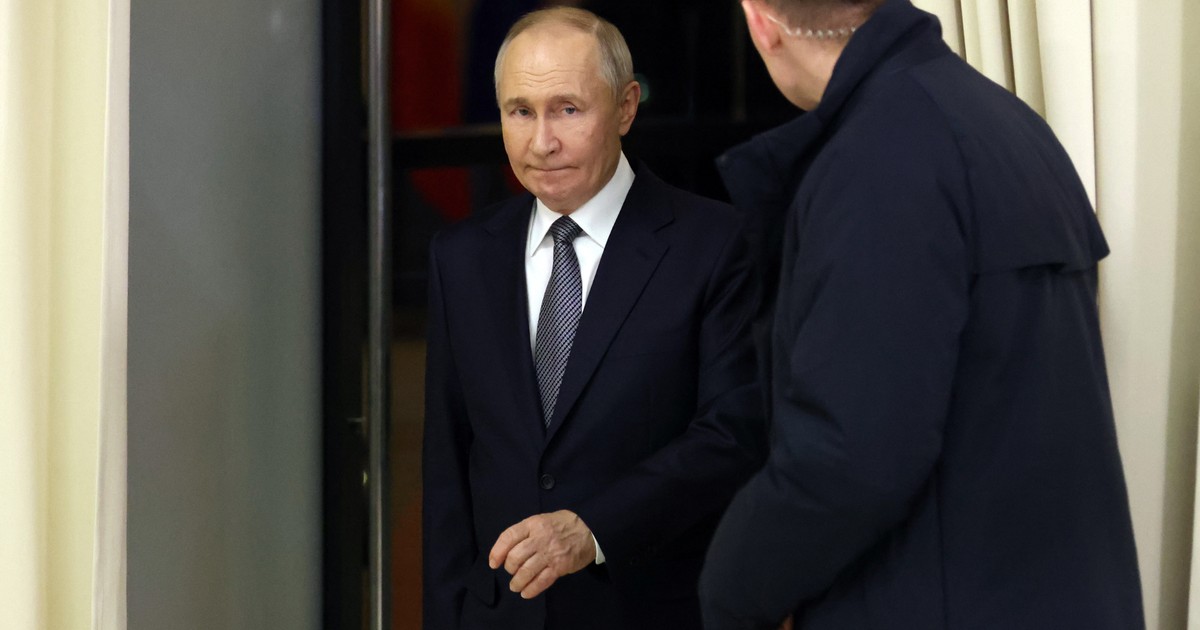
The Kremlin officially emphasizes The resistance of the economy to sanctions, however, the signals from Russian officials indicate increasing difficulties. In June, the Minister of Economy Maksim Reszetniki warned that The country is balancing on the verge of recession. A few weeks later, the International Monetary Fund reduced its own forecasts, stating that In 2025, Russian GDP will increase by only 0.9 percent. – Which means de facto stagnation.
Read also: Donald Tusk: The government will increase the power of windmills despite the president's veto
The Russian economy stands. She is also more and more dependent on China
Last year's result, exceeding 4 percent, was driven mainly by state orders, especially in the arms sector. However, this pace turns out to be difficult to maintain in the long run. The growing burden on the budget related to war, increasing dependence on trade with China and cutting off from Western markets and technologies mean that the Russian economy loses its development opportunities.
The war in Ukraine, which was to be a short operation for the Kremlin, transformed into a long -lasting conflict devastating both the army and the economy. Reduced growth forecasts indicate that the policy of “economic immunity” proclaimed by the authorities in Moscow encounters to the borders – and the costs of conducting war are more and more clearly reflected in the everyday life of the Russians.