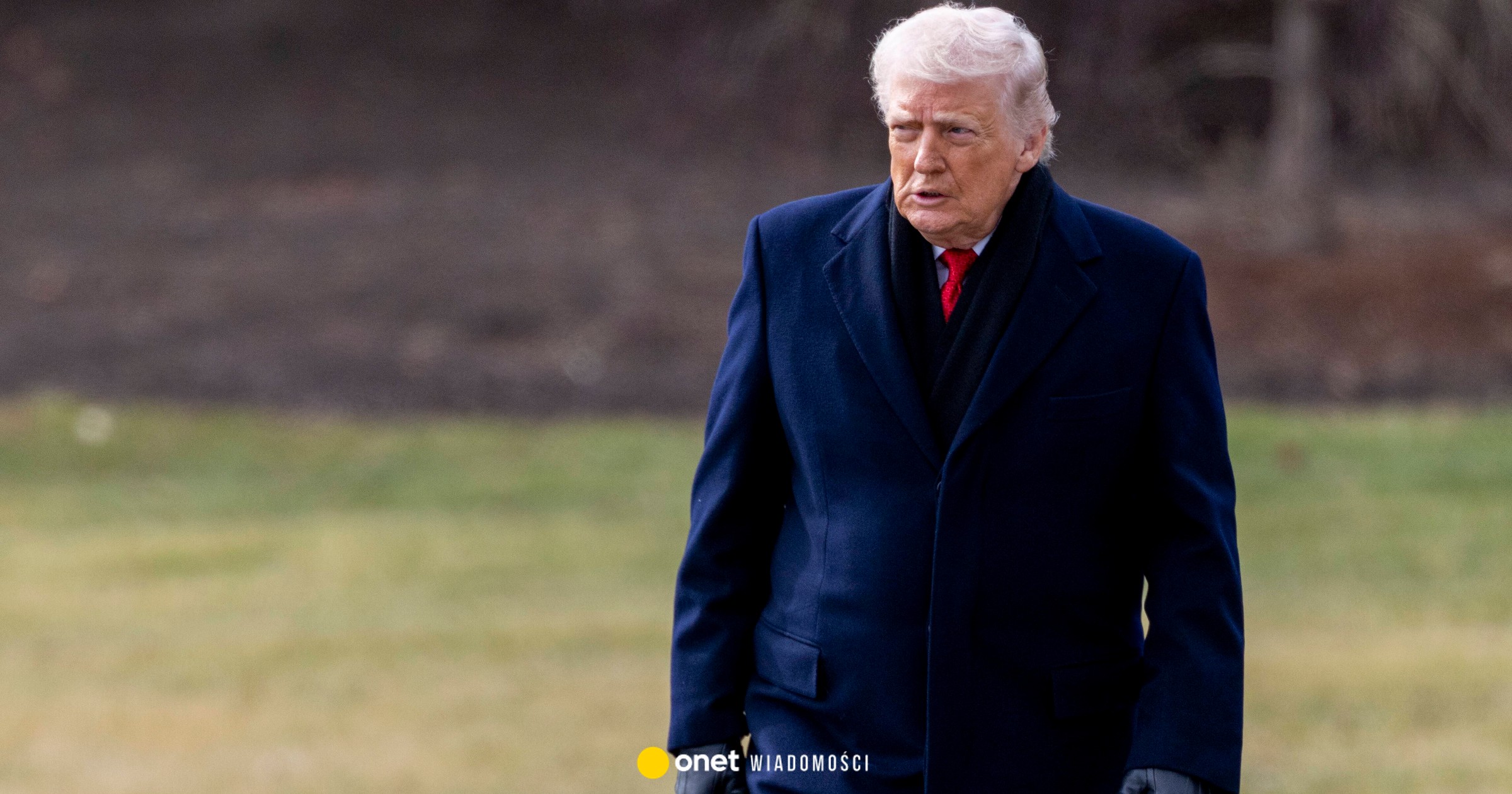
Yes, Xi Jinping wants to get Taiwan. Waits for the victim to fall into his network herself

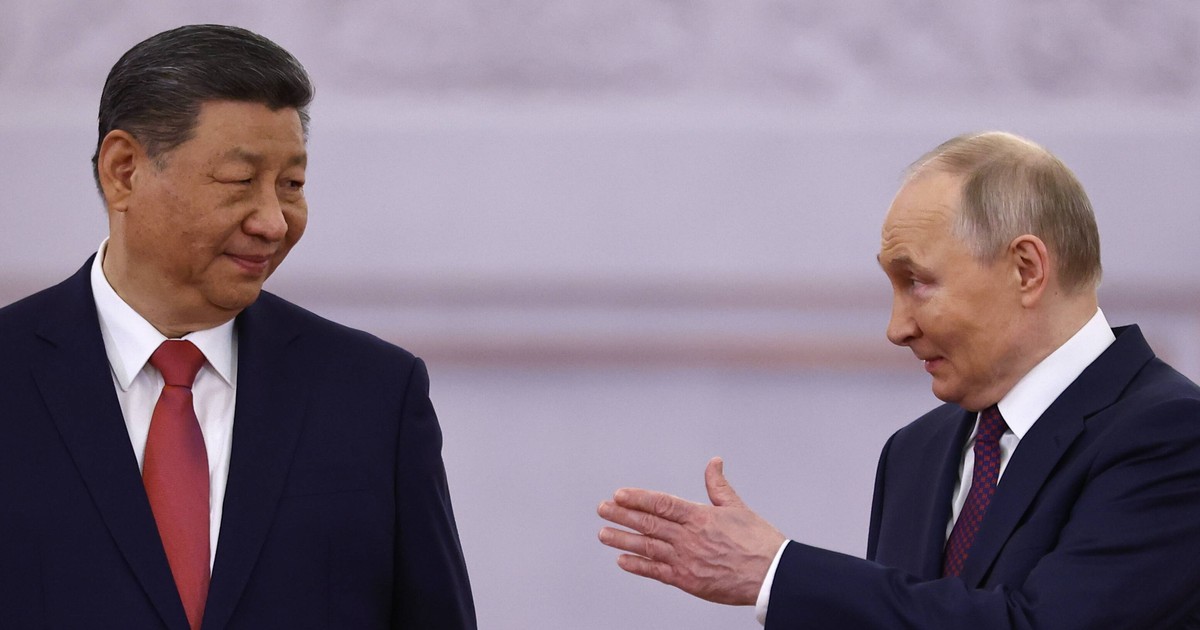
To resolve the issue of Taiwan, China adopted the combination of assertive and subtle strategies. On the one hand, Beijing intensified military pressure, often sending combat aircraft and war ships to violate Taipei's territorial waters, blaming the growing tensions of the Taiwan president of Lai Ching-Te and his administration, which he calls “independence”. On the other hand, China is trying to sow divisions in Taiwan, using various tactics.
Beijing perceives the democratic progressive party on the island (DPP) as the main opponent, while putting high hopes in the opposition party Kuomomtang (KMT). In recent years, meetings between the highest leaders of China and the key characters of KMT have become more frequent.
This approach could help Beijing in the effective “reunification” of Taiwan with minimal resistance and losses. Gao Zikai (Viktor Gao), deputy director of Think Tank KPCH, called this script “the second incident in XI'an.” The first incident in the XI'an took place on December 12, 1936, during the rule of the then President of the Republic of China, Chang Kaj-Szek, when his subordinates placed him in a house arrest, forcing him to adapt to the KPCh program.
Beijing and Taiwan policy
The hostility between the CCP and DPP is largely due to the rigid position of this first and disinformation. David Lee, former chairman of the Straits Exchange Foundation, former Foreign Minister of Taiwan and a member of Kuomunem, recently published a new book. In this book, he reveals that in 2016, when the then leader of DPP Caj Ing-Wen was sworn in as the newly elected president of Taiwan, signaled the desire to peace in the Taiwan Strait and encouraged to dialogue with the CCP. However, several Taiwanese politicians from KMT, guided by their own interests, warned Beijing against accepting friendly gestures President Caj during her inauguration.
The CCP listened to their advice, which deepened the division and fuel the reluctance between the CCP and DPP, which continues to this day.
Nevertheless, KMT is not a uniform whole. The older generation of members of Kuomintang, under the influence of historical and ethnic ties, has a strong desire for unification. They believe that Taiwan and China should finally unite. However, younger members of KMT and their supporters do not consider this issue urgent or key. However, all party members seem to share the belief that by adopting a more moderate position towards Beijing, they can achieve peace in the Taiwan Strait [cieśninie oddzielającej Tajwan od kontynentalnych Chin].
Despite the efforts of some KMT members, to gain the favor of the CCP, they are generally aware – at least outside and rhetorically – the meaning of establishing borders: This means that China should respect the will of all Taiwanese voters. However, they still consider peaceful union realistic and achievable.
DPP has a more pessimistic approach, thinking that military takeover of power is inevitable. Authoritarian China is unlikely to accept democratic power. They believe that Beijing is convinced of his ability to conquer Taiwan by force, which makes the likelihood of resorting to the CCP to military operations for the annexation of the island is quite high. That is why Taiwan must be precisely prepared to counteract any “reunification” attempts. As a result, the attention focused on national security, which became a priority in relation to all concepts of reconciliation from the CCP.
These different perception of the CCP led to a noticeable discrepancy in KMT and DPP policy towards China, which in turn has a great impact on Taiwan's internal policy. It should be noted that the current political situation in the country differs from that of the time of the presidency of Caj. The domination of the Democrats lasting ten years, which began after the student movement “Sunflower” in 2014, came to an end. KMT will continue to keep the majority in Legislative Yuan, the Taiwanese legislative body in Taipei. Meanwhile, DPP, currently led by President Lai, seems less diplomatic and flexible in its approach to the opposition compared to the CAJ administration. As some observers noted, “compromise and communication seem to be absent in the Lai Cing-Te dictionary.”
Mass movement of the appeal of deputies in Taiwan
In recent years, DPP has made several strategic mistakes in assessing social moods, establishing relationships with opposition parties and the CCP.
The most important of them was the mass campaign of MPs' references at the end of July. Initiated by the Civic Group and supported by the ruling DPP, it was aimed at removing 24 prochinian KMT members from the positions. It was the greatest voting regarding the dismissal in the history of Taiwan. To obtain a temporary majority in the legislature, DPP had to cancel at least 12 KMT members. The official reason for the appeal was that “favorable China” legislators undermined national security.
However, voters who opposed the appeal questioned whether the attempt to take control of the legislative Yuan by DPP is consistent with the spirit of democracy. Ultimately, most voters did not dismiss any of the KMT legislators.
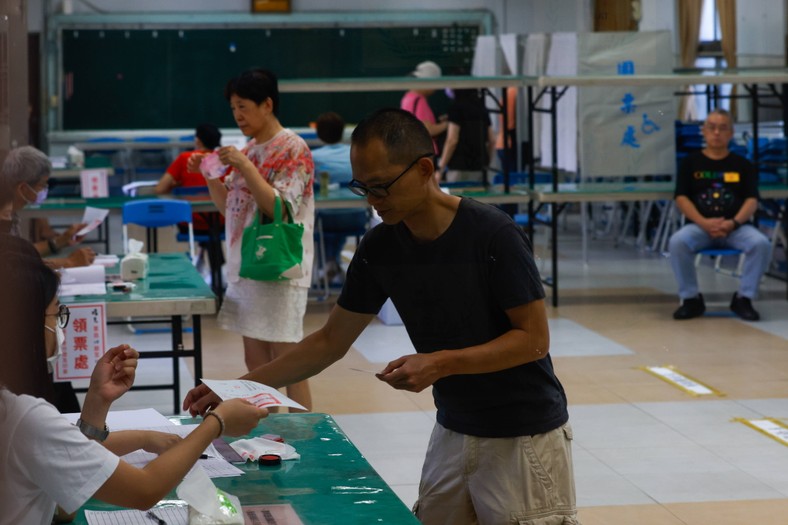
Voting on the dismissal of seven prochinian parliamentarians, Taipei, Taiwan, 23 August 2025.
What did the appeal campaign in Taiwan achieve?
This time DPP's failure will have serious consequences for the effectiveness of her narrative “resistance to China and the protection of Taiwan”. This can embolden radical elements in the KMT party, making them feel that their pro -Chinese position gained some legitimacy.
The end of the appeal campaign means that the competition between KMT and DPP will get worse. When Taiwan political leaders are sinking in internal party conflicts, it is increasingly difficult to develop effective strategies for reacting to the beads from Beijing. In addition, management of relations with Washington will also be significantly difficult.
During the whole process of dismissal, Beijing intervened in a discreet manner, which indicates that he drew conclusions from previous interventions, which caused negative reactions. However, China clearly perceives the result of the movement of the appeal as proof of the effectiveness of their combined soft and hard strategy. In the future, the impact of the CCP in Taiwan will probably still deepen. This does not mean, however, that Beijing will soften military pressure; The double strategy will continue unchanged.
The DPP camp may assign most votes against the dismissal of China's influence, using this as the main reason for criticism of the result. However, the party's failure clearly indicates that a significant part of the Taiwanese society is not as reluctant to China as the DPP predicted. In addition, many young people seem to have limited knowledge about the CCS and its history. If this tendency persists, the DPP narrative about the threat from China may begin to lose its importance.
Although DPP may no longer have the same dominant position as it used to be, the sense of “Taiwan identity” in the country remains unchanged. Recent polls carried out by the National Chengchi University show that Taiwan identity and willingness to maintain status quo have not changed. What has really changed is the fact that the political scene is becoming more and more competitive.
Scenarios
The most likely: escalation of hostility from China and pressure on Impeachment
China intensifies hostility towards the current administration, which leads to an increase in antagonisms between KMT and DPP. The appeal is transformed into emotional mobilization for the impeachment campaign against President Lai. As Taiwan approached the local elections in 2026 and the presidential elections in 2028, the opposition will probably press the resignation of President Lai. If Lai subsides, it will give KPch a chance to improve relations between China and Taiwan. The military invasion of Taiwan will be postponed, at least in a short -term perspective. However, the development of the situation will not necessarily be conducive to democracy in Taiwan.
Less likely: strategic change of the DPP course to cooperation
The DPP office and the Yuan Parliamentary Club are undergoing serious reorganization, changing their strategy towards the opposition party. President Lai leaves his current position and begins a dialogue between the government and the opposition. He will no longer perceive the opposition as an opponent, but as a competitor with whom you should cooperate. In addition, he undertakes to comply with the constitutional decision, according to which the executive authority is responsible for the legislative authorities and will consult with the legislative Yuan regarding key politicians.
Taiwan begins to cooperate with Beijing in a more effective and diplomatic way. In the face of this situation, the Chinese government will have no choice but to devote time to developing a new policy towards Taiwan.
Unlikely: China is organizing the second version of the XI'an incident in Taiwan
Beijing uses the dissatisfaction of Taiwanese from President Lai, cooperating with KMT to present the government as authoritarian. They promote the CCP as beneficial and fair, paving the way to the second incident in Xi'an in Taiwan. This could lead to the invitation of the Chinese police or army to the island to maintain order. In other words, there would be an invasion of Taiwan by armed forces in consultation with KMT.