Family confrontation. How you reconcile the generation of “Saint Nicholas Acatist” with the one who goes to therapy

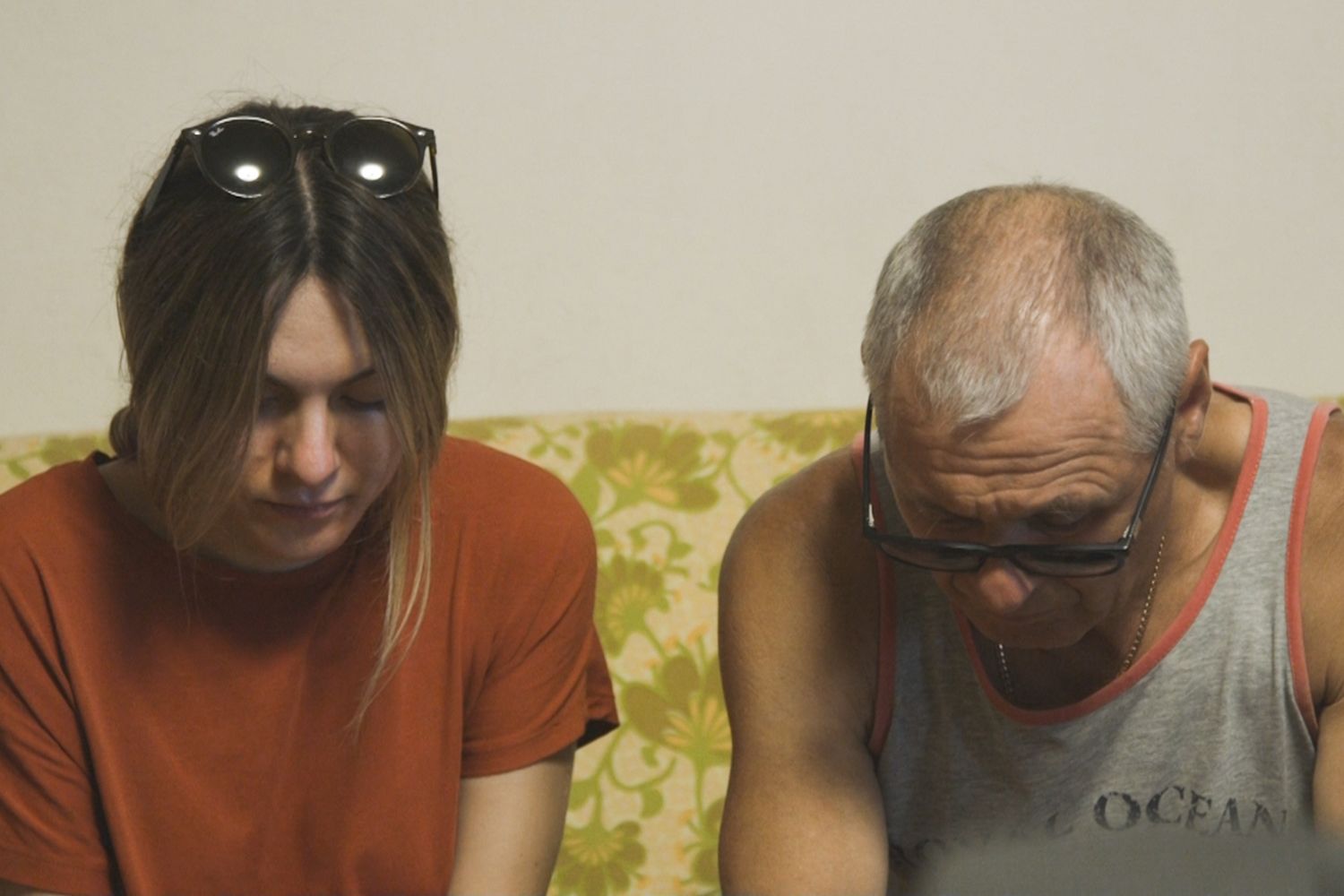
Two Romanian documentaries about dysfunctional families enter the cinemas one after the other – “an almost perfect family”, by Tudor Plato, on August 29, and “Tata”, by Lina Vdovîi and Radu Ciorniciuc, on September 12. Two films to see for the honesty with which they approach topics that are not talked about especially in the family.
Somewhat paradoxically, the answer to the question in the title comes quickly: yes, the cinema can help us as it helps us to raise awareness of us on the screen. But the process is an individual one and, starting from awareness, it implies a permanent endeavor to react otherwise than I have reacted so far.
Neither the mother of psychologists, nor time nor God can heal where we do not want to heal alone. Is part of the lesson of each.
The compartmentalization and the back (“what was”) made the patterns of behavior and trauma be transmitted from generation to generation without even being aware.
That is why both films have an open end and their authors confess not only the inability to change their parents, as much as understanding that it is not in their task. What they can do is work on themselves, so that they do not transmit their same baggage to their children. This is enough to break the chain, and it's a big victory because it gives the impression that he can heal the ancestors – healing the relationship with them.
Life is the strongest screenwriter
The patterns of behavior created in childhood do not melt overnight. Often, which triggers such liberating processes is a strong shaking, a favorable cataclysm – life being the strongest screenwriter.
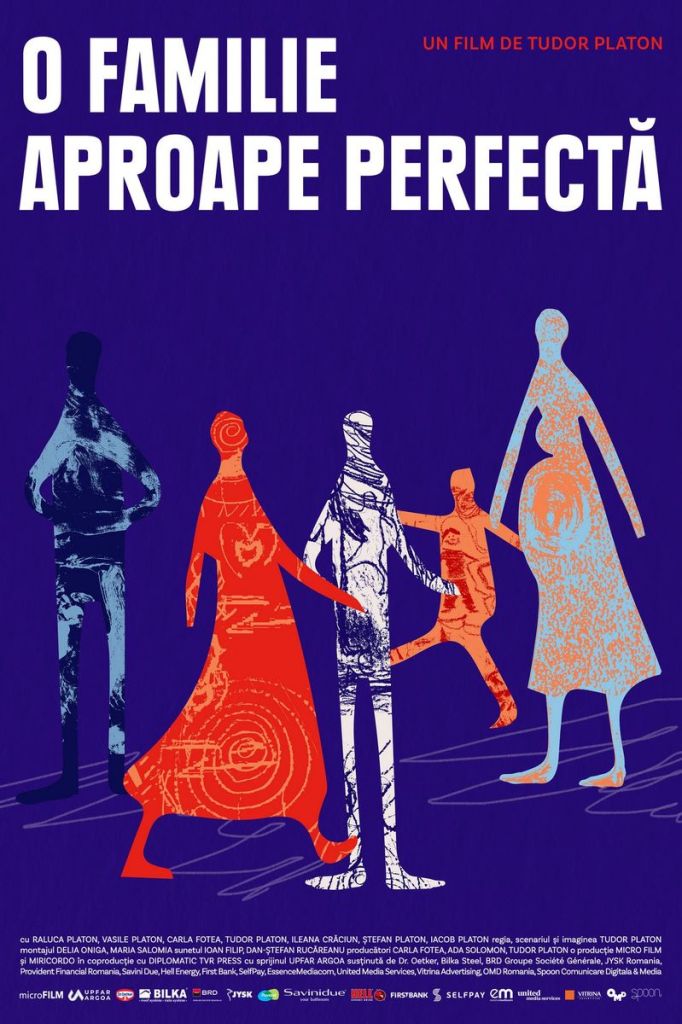
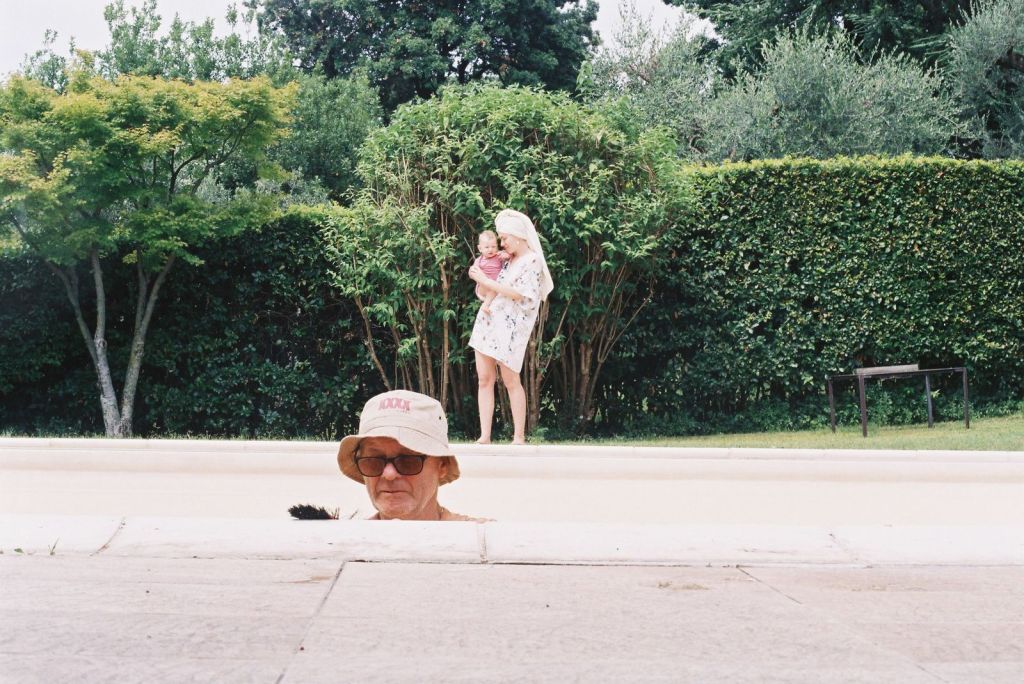
Tudor Plato's film started from the decision of his parents to divorce after 30 years, at the same time when he had begun a relationship with his wife (Carla Fotea, the film's producer). Probably the reasons that led to the divorce were visible for a long time and the filmmaker sought an opportunity to understand the parents' relationship to avoid what was to be avoided in their own relationship.
https://www.youtube.com/watch?v=ymp2ijk34jw
But, talking to each parent and filming them off at common events, the director became more interested in transgenerational luggage, especially since, at one point, he became a father himself. The difficulty of communicating and, above all, the difficulty in expressing emotions between family members.
In the other movie are even heavier things.
The triggering moment in the “father” was the culmination of the abuses that Lina Vdovîi was subjected by the employer in Italy and who made him ask for the help of the journalist daughter. It was already in therapy to heal the effects of physical corrections and psychological abuse, from childhood, so he had tools and courage to turn journalistic investigation into a personal healing process.
I say personal because, although the relationship with the father has improved due to the successful investigation, but also of the initiative to show the world in a film, he did not change his authoritarian behavior towards his wife, making the film end with a hidden danger.
https://www.youtube.com/watch?v=1iqmeqkxoho
When Lina Vdovîi went to the stem, he discovered a paternal grandfather as severe and abusive, and a great -grandfather from the front most likely with post -traumatic stress disorder and depression, manifested by aggression and anger.
“I talk to you, but think that my father and mother have never talked to me (…) Somehow, you must forgive our generation. Somehow, we could,” says Tudor Plato's father, while his mother reminds someone of someone to read Saint Nicholas to wipe the Karma.
It seems extraordinary to me that the generation that is 30 years old or even more is in an old printing process. Not by chance, in both films there is a certain way to do education in communism, when life in the dictatorship encouraged a parental behavior similar to the official one.
Not by chance, parents from both films use as an excuse the idea that they were respectful children and did not question the education that were done-so they took over the loyalty (which the transgenerational psychology knows.).
It seemed to me that Pavel Vdovîi, the proud and powerful man, remained for many years at a boss who was beating him and humiliated. This was the pattern he knew from childhood, and we tend to choose familiar situations. Only when he was filled with the glass, he appealed to his daughter, who was already a journalist known for the materials about the exploitation of workers in the East.
Each abuser was at one point victim
In fact, unconscious, Pavel Vdovîi wanted to heal his relationship with his father, his daughter and with himself. It will be very difficult for him to heal if, before saying an ugly word to his wife, he will not stop and ask where this came from, who he saw doing so.
“Dad” is also a film about violence and violence against women, which makes it more necessary in a society marked by misogyny. His contribution lies in the invitation to seek the causes that always deal-for the victim, and for the aggressor, with the familiarity of a known childhood environment.
With each new case of female we blame the aggressor, the police, the justice, etc. How many femics do you need to understand that the roots are much deeper and go beyond the relationship itself? Each abuser was at one point victim. This does not disclose it (we are responsible despite the luggage), but it can help a deeper change.
All cases of recurrence of trafficking in human trafficking by method Loverboy I use a pattern with which the victim couples and who is a known pattern.
Whenever a teenager causes a tragedy or others, and we hear the teachers wonder: “He was a quiet child”, we should terrify. Quiet children who are neither encouraged in the family nor at school to express their emotions will grow under pressure and will take anger through anxiety, aggression, violence on them or others.
The latest tragedy happened on August 7 in Sibiu. An 18 -year -old teenager after a quarrel on the phone, threw the phone and computer on the window and threw it. Not too many details are known yet, but if he had received some tools for managing anger and expressing emotions, he may be alive.
And about him the high school director said he was a quiet student.
A life lost for something that can be done nationally with psychologists and educators. (School9 is an interesting article about what we do with anger.)
It's better to get out to clean up thoroughly
My eyes fell on the words of a great actress from us who pay her mother recently on Facebook, starting disapprovingly from finding that she is fashionable today to reject her parents.
It's not. Only those who have gone through childhood abuses – because then they start, know how hard it is to scratch the family picture. How much ashamed you feel if you do, and if we do, and how strong is the feeling that things should be said to be good for everyone. It's not betrayal.
And it's not something cerebral. You feel in the body.
And, above all, the disclosure of truth is always accompanied by love. Not the loyalty fueled by manipulation, but the primordial love that every little being has for the parents from whom validation and protection expects. This is in the nature of things, and it is more natural than to respect them just because they have given you life and fed you. The job description is a little wider than that.
This love is seen in the love we carry ourselves. If each of us had learned to love each other, I think there would be neither abusers nor victims.
“Everyone loves the way they can”
Tudor Plato's mother tells her in the movie that her mother never told her that she loved her, but also that she heard her mother talking through her when she made the children observation.
As those who have not raised in almost perfect families cannot know how it is (although dysfunctional families are more numerous than the perfect ones), such films are the opportunity to understand that it is better to get out to clean.
Tudor Plato's film ends with the finding: “Everyone loves as he can.” That's what psychologists say: everyone does everything he knows best, with the knowledge and skill at that time.
But at knowledge – and even for skill, you can work. Nothing is lost as long as we are alive.
And maybe until the Acatist of Saint Nicholas would help us learn to express and listen to each other.