“Agreement for the largest rail project in the history of consistency funds signed!” – Jan Szyszko, secretary of state at the Ministry of Funds and Regional Policy, informed on Friday on Friday.
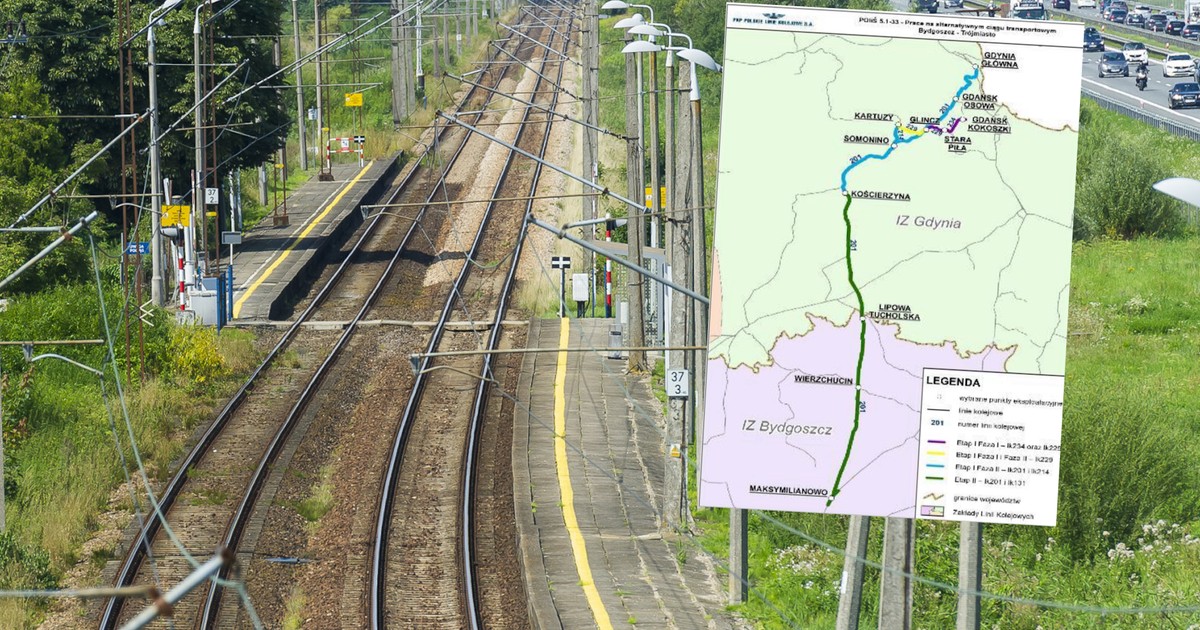
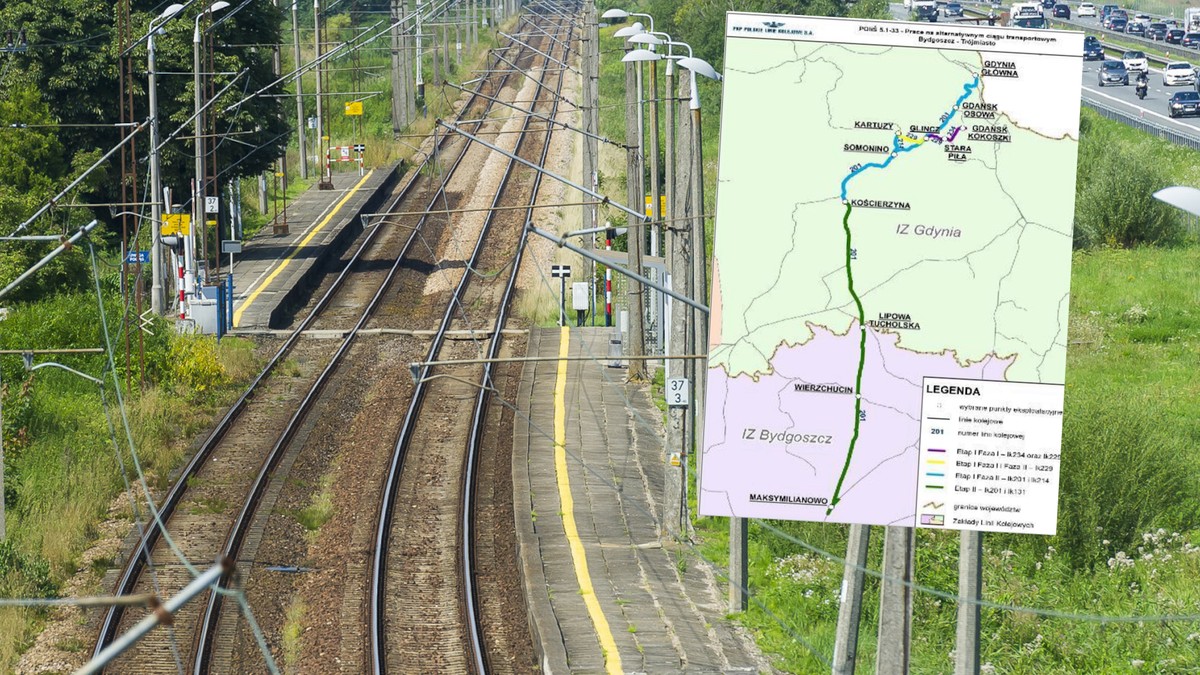
He announced the investment PLN 4.3 billion in the construction, expansion and electrification of 215 km of tracks from Maksymilianów to Kościerzyna. “We will create a freight corridor that allows the further development of our ports in Gdynia and Gdańsk,” he pointed out.
See also: The quick turn has nowhere to accelerate. Poland has deficiencies in infrastructure
What's more, for passengers, a journey from Bydgoszcz to Gdynia is to be shortened by an hour.
The largest rail project in the history of consistency funds. What will change?
“The fastest trains will go at a speed of up to 160 km per hour.20 minutes shorter than today. A linear lock and new rail traffic control devices will be created. We will expand the station systems, including 175 switches. The capacity of the route will increase, thanks to which more trains, including freight trains, carrying goods to the MA of the Maritime Port in Gdynia, ” – describes the investment of PKP PLK.
See also: This is how the railway in Poland will develop in the coming years. CPK plan is presented
As part of the investment, it is planned Modernization of platforms at 8 stations (Maksymilianowo, Strono, Serock, Błądzim, Wierzchucin, Zarośle, Lipowa Tucholska, Szałamaje), 10 passenger stops (Wudzyn, Lubania-Lipina, Świekatowo, Lipienica, Zielonka Pomorska, Małe Gacno, Rosochatka, Wojtal, Olpuch, Podleś), and the construction of a new stop of Szenajda. Thanks to the modernization and construction of nearly 100 engineering facilities (viaducts, bridges, culverts), as well as modernization 31 and the construction of 3 rail and road crossings will increase rail and road safety.
“Railway investments in the Kuyavian-Pomeranian Voivodeship are an example of how thanks to European funds we can realistically improve the quality of life of residents and strengthen the competitiveness of our economy,” said Dariusz Klimczak, Minister of Infrastructure.