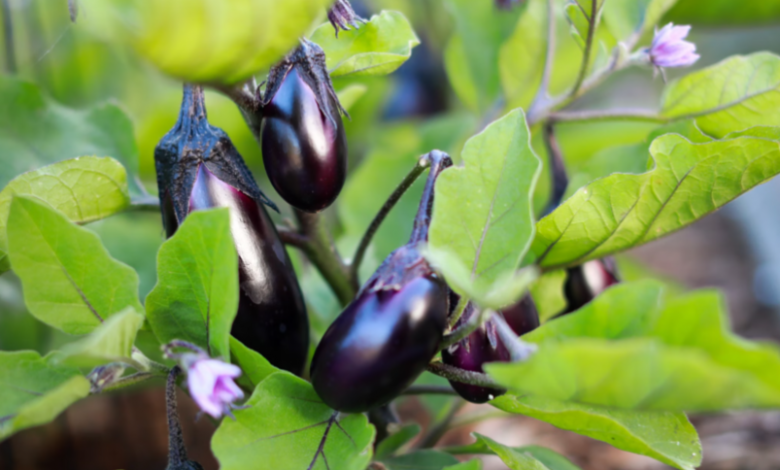
Eggplant – vegetable with their requests. It is appreciated for taste and benefit, but it requires too much attention. In order for the crop to be rich, it is important to take into account several key points, from the choice of variety to proper irrigation.
Choosing a variety wisely

Start with the selection of a suitable variety. For cold regions, early ripe species are suitable. They quickly ripen and give fruits even with a short summer. Middle and late varieties are best suited for greenhouses. They differ in high productivity and are stored longer. Form and color are a matter of taste. There are purple classics, white species and even green exotic.
Soil preparation
Eggplants love the loose, organic land. Dice the site a couple of weeks before planting and add compost or humus. Follow the acidity, since the pH should be closer to neutral. If the soil is acidic, bring lime in the fall.
Seat method – the key to success
Seeds are sown 60–70 days before the transplant. The main thing is heat (25 degrees and above) and light soil. The plants should already let 6-8 leaves to transplant and reach a height of 15–20 cm. They should be planted in open ground when the threat of frosts passes.
Watering without extremes
Watering is a key moment. Eggplant requires moisture, but an excess of water will lead to decay and disease. Water regularly, especially during flowering and pouring fruits. It is best to use drip irrigation. So moisture enters the roots without affecting the foliage. Watering is necessary in the heat in the morning or in the evening. The water temperature for watering should not change. Eggplants do not like sharp temperature differences.
Top dressing to help the crop
2-3 weeks after the transplant, feed the eggplant with nitrogen fertilizer. During flowering and fruit formation – go to potassium and phosphorus. Top dressing is important, but do not overdo it. Excess fertilizers will become stress for your plantings.
Protection against pests
Inspect the plants in a timely manner. A web of a tick, aphid and the Colorado beetle are the main enemies. Use biological products or proven folk remedies. And be sure to follow the crop rotation. Do not plant eggplant for two years in a row in one place.
Harvest
Collect the fruits as soon as they reach the desired size and shine. Speeped eggplants become rude and lose their taste. Cut the fruits carefully without damaging the bush.