The most important party of geopolitical chess for years. Europe under pressure

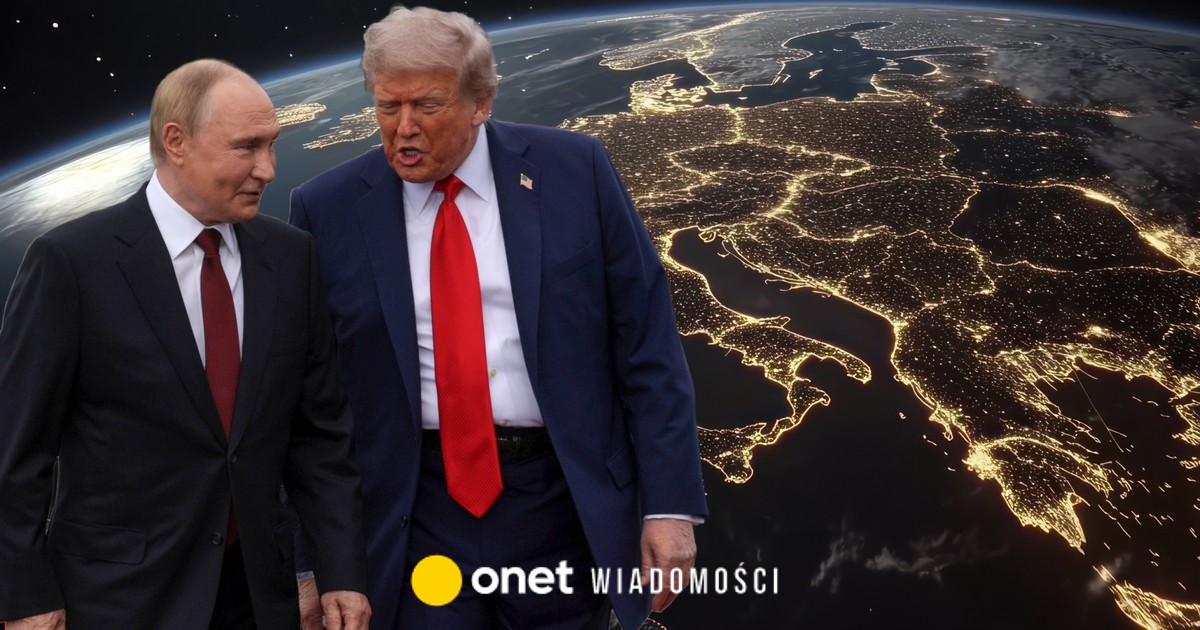
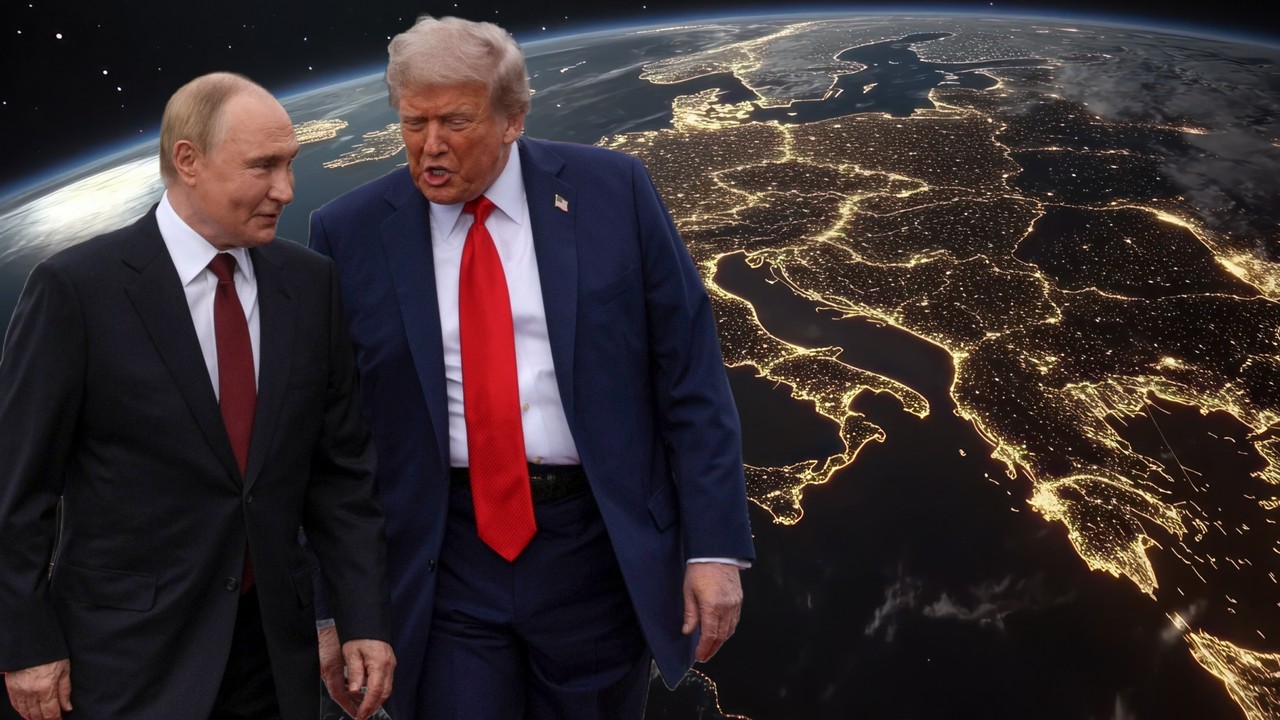
The long -awaited meeting of US President Donald Trump and Vladimir Putin leave many observers in a state of confusion. It is not known whether the leaders of the states in Alaska reached an agreement on specific issues. Only Trump's vision about possible peace in Ukraine is fragmentary.
One thing is clear: Trump enabled the Russian leader to return to the political stage, while Europeans and Kiev are still fighting for influence on the fate of the war and the future situation on the international chessboard. The US President gave hope that in the new hand European countries will bear the burden of keeping peace on the continent and without such involvement of Americans as before.
Given the expectations of Trump before the meeting, the results are disappointing. There have been unclear suggestions for the “agreement”. Meanwhile, Putin can celebrate his return to an international red carpet in the country.
On Saturday, the US President stated on his platform “Truth Social” that together with Putin he decided that “the best solution is a peace agreement.” “The usual suspension of weapons is very often not observed.” This is a departure from the current Trump line and this should be understood as Putin's victory. Moscow can still allow his troops to go crazy in Ukraine to take up as much territory as possible before any peace negotiations.
Despite this, Trump achieved one thing: efforts are still underway to end Russia's war in Ukraine. On Saturday, the media agreed that Kyiv could receive security guarantees from the USA. Trump discussed this during telephone conversations with European heads of states and governments on the way back from Alaska.
According to CNN, these guarantees may be formulated similarly to the clause with mutual assistance contained in art. 5 of the North Atlantic Treaty. “As one of the security guarantees for Ukraine, the American side proposed a type of warranty modeled on Article 5 outside NATO,” AFP Information Agency said, citing Ukrainian diplomatic circles.
Continued article under video material
Are Russia threatening sharper sanctions?
The British have already prepared further sanctions against Russia. Prime Minister Keir Starmer announced on Saturday that he would “tighten sanctions against Putin's war.” According to experts, Russia's weak economic data indicate that Putin must be interested in ending attacks on the neighboring country.
However, this is decisive, however, Will Donald Trump really introduce additional duties on countries that still buy gas and oil from Russia – First of all, India and China. Already at the beginning of August, Trump threatened the 50 % duties on all goods to enter into force at the end of the month. So far, however, New Delhi has not been inferior to it.
China, however, still remain beyond the reach of the American president. In a Friday interview for the “Fox” television station, Trump said that this is not “necessary”. However, his position on this matter may change “in two or three weeks”. American criminal duties towards the People's Republic of China for her interests with Russia would not only hinder Trump's current commercial talks with Beijing, but would also be expensive for American consumers.
What is the role of Europe?
Before the summit, the countries of the Old Continent were afraid that Trump during a meeting with Vladimir Putin could ignore the interests of Kiev and Europeans and put them in front of a fact made – after all, they were not invited or informed about the details. Political observers were divided as to the extent to what extent initiatives such as the one taken by German Chancellor Friedrich Merz, who in the middle of the week organized a conversation with Trump and the president of Ukraine in the last minute, will affect Trump before the summit.
When the leaders of the states left Alaska, the same night began speculation about how scanty information can be interpreted. Although some reactions were sharp-the FDP politician for European-Zimmermann European policy spoke about the “great show” and weakening of “free world”, and the expert of the CDU for foreign policy of Roderich Kieswetter called it even “Black Friday”- She prevailed that no far -reaching decisions were made without the participation of Europe and Kiev. Since the scandal between Zelanski and Trump in the White House and multiple fruitless telephone conversations between the US President and the Lord of the Kremlin, expectations have clearly dropped.
Trump informed Europeans after meeting Putin. However, the official reactions from the capitals have not come yet. The highest priority was first to agree on a bright and above all a common line of conduct. On Saturday at noon, a joint statement was issued: “Ukraine can count on our unwavering solidarity” – it was written in a statement signed, among others, by the heads of state and rule of Merz, Emmanuel Macron and Keira Starmer.
Although Europeans expressed recognition for Trump's “efforts for peace in Ukraine”, they also made it clear that they would not depart from their basic demands: no agreements above the head of Ukraine and the “iron” guarantee of security for Kiev. Interesting is what is not in the statement – there is no previously repeated request for suspension of weapons.
What will Ukraine gain?
Safety guarantees for Ukraine have been a key element of returning to peace from the beginning of the war. However, without the participation of the United States, they would not make a much impression on the aggressive leader of Russia. Neither Joe Biden nor Trump made any definite statement in this matter, having regard to their voters.
Trump's last comment after a meeting in Alaska that he is “open” to such guarantees can be a sign of a return. In a joint statement, Europeans announced that “they are satisfied with the statement of President Trump about readiness to grant a guarantee of security.”
It has long been the idea that Europeans and other countries of the “Coalitions willing” will bear the main burden of securing Ukraine – and this structure must be supported by the American armed forces, primarily in the form of air defense systems, supervision and intelligence.
What next?
Already on Monday, President Donald Trump will personally accept the head of Zełent Ukraine in the White House – for the first time since the escalation of the conflict in February, which ended with a quarrel with Zelanski and raised fundamental doubts about Trump's solidarity with Ukraine.
It will be key to how Trump intends to convince the President of Ukraine to his plans regarding the guarantee of security and the “peace agreement”, which he currently prefers instead of suspending weapons.
It will not be easy. Ukrainians will insist that such guarantees are indisputable. Since 2014, they have bitter experiences that earlier support declarations are not worth the paper on which they were written. Minsk Agreements I and II, negotiated in Belarus in 2014 and 2015, which were to end the war in eastern Ukraine, but were not kept by Moscow, undermined the trust of many Ukrainians in such agreements with Russia.
In the coming days, European diplomats will primarily have to present Washington with specific proposals for the European contribution to security guarantees.
Since the summit in Alaska, a tripartite meeting with the participation of Trump, Putin and Zelanski has also been considering. Trump is optimistic: if everything goes well, there may be a three -sided meeting with the President of Russia. So far, however, such a format of meetings has not reached the Kremlin's objection.
If such conversations between the three pages really come to fruition, Europe will follow them carefully. On Sunday afternoon, the “Coalition of Volunteers” under the leadership of Macron, Merz and Starmer will meet on video conference.