Why we can't stop eating chips, sweets or fast food. “Food has become a quick fix for stress and anxiety.” What are the solutions?

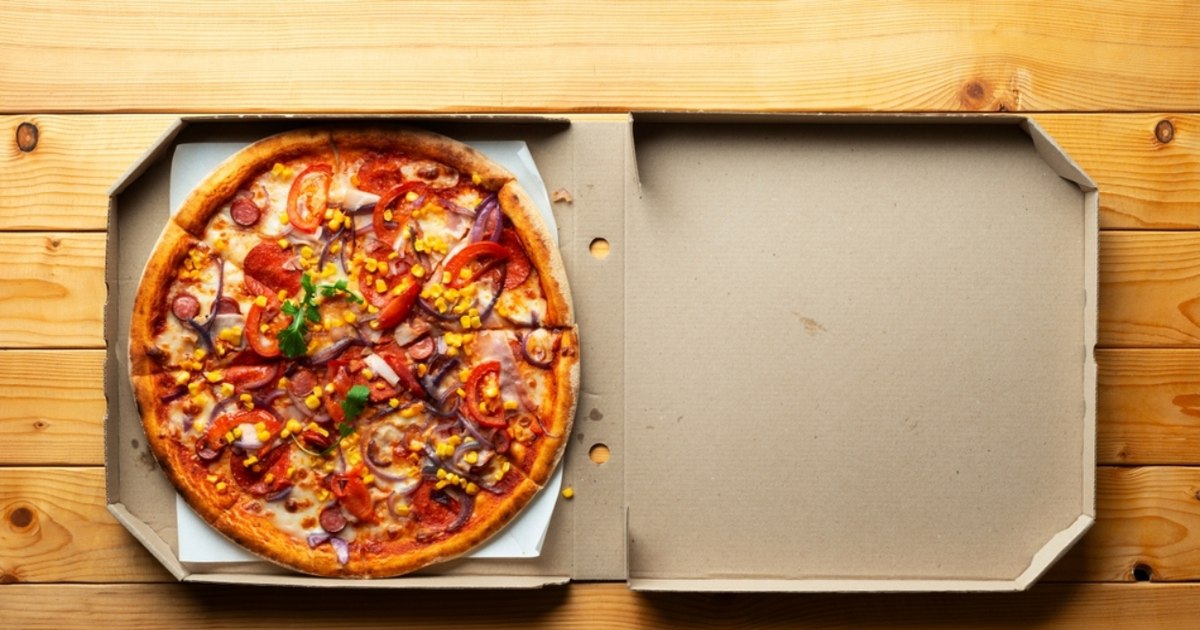
Chips, sweets, fizzy drinks or fast food are not difficult to refuse just because “we don't feel like it”. A recent study shows that ultra-processed foods can alter the brain's response to reward, favoring intense cravings, compulsive eating and loss of control over the amount eaten. What practical solutions are there to get out of this vicious circle?
Photo credit: Shutterstock
Emotional eating: a reaction older than we realize
A recent meta-analysis published in the journal Appetite analyzed data from 40 studies and over 14,000 participants. Researchers have found that people who have trouble managing their emotions tend to eat more often when they are emotional – stress, anxiety, loneliness, frustration or fatigue.
Cognitive-behavioral psychotherapist Laura Găvan explains for “Adevărul” that the problem is not actual hunger: “Compulsive eating is, in many cases, less about food and more about emotions. It does not occur because we are necessarily physically hungry, but because we find it difficult to sit with certain uncomfortable states. Eating becomes a quick form of emotional regulation when we have no other strategies at hand.”
Why is this happening? Because, in the absence of other methods of calming, the brain finds in food an immediate solution. “Provides a feeling of rapid comfort, temporarily reduces inner tension. For a few minutes, the emotion seems more bearable or even disappears completely.” details the specialist.
A study published in February 2026 in the journal Pharmacological Research show brain effects similar to drug or alcohol addictions. These foods—chips, sweets, fast food—overstimulate the brain's reward system (dopamine), leading to intense cravings, repeated consumption, and difficulty stopping.
“Ultra-processed foods are particularly effective precisely because they provide immediate comfort. But the effect is short-lived. The emotion returns, often amplified, accompanied by guilt or shame. A repetitive cycle is created: negative emotion – food – temporary calm – emotion + guilt – greater appetite.” continues Laura Găvan.
More specifically, combined with the neurological effect, the brain again asks for quiet at the moment, even if we clearly know that it is not good.
Where the problem starts: lessons from childhood
The psychotherapist points out that these mechanisms are often formed in childhood. “If food has been used to soothe, reward or create emotional closeness ('Eat the chocolate and you'll be fine'), the brain registers a simple message: food soothes. As an adult, the reaction becomes automatic, no longer a conscious choice, but a reflex response to discomfort.”
And the meta-analysis confirms the prevalence, i.e. 20-45% of adults and about 30% of adolescents eat emotionally, even without clinical disorders. So it's not a rare or pathological problem, it's human.
Who pays on the first date? The detail that shows you whether or not your relationship has a future
Why “iron discipline” doesn't work
Compulsive eating is often reduced to “lack of will” or “poor discipline”, but Laura Găvan contradicts this: “It is not the lack of discipline that is the main problem, but the intensity of emotions and the limitation of regulatory alternatives. Self-control decreases precisely at critical moments – fatigue, maximum stress – when emotional eating occurs most often.”
Harsh restrictions (“I'm never eating sweets again!”), she continues, fail precisely because they ignore the emotional cause. “The brain, deprived of 'anesthetic', finds other outlets – or explodes in major 'slips'”.
Practical solutions: from automatic reaction to conscious choice
1. Observation – the essential first step
“The first step is noticing the impulse: 'what do I feel now? is it physical hunger or emotion?' The difference between automatic reaction and conscious choice is made here.” says Gavan. Pausing for 10 seconds before reaching for the bag of chips can change everything.
2. Immediate alternatives to food
- Real breaks: 5 minutes deep breathing or walking.
- Movement: 10 squats, stretching – relieves physical tension.
- Expression: Write down the emotion (“I'm angry at X”) or talk to someone.
- Active Tolerance: “I stay with this condition for 5 minutes, without anesthetizing her.”
3. Changing perspective
“Compulsive eating is not a personal failure, but a signal. The psyche is trying to solve states for which it does not yet know better solutions.” as the specialist says.
4. Long-term re-education
Build new rituals: hot tea for stress, music for fatigue, call a friend when you feel lonely. “Change comes from the ability to understand and manage emotions, not from rigid control or self-flagellation.” concludes Laura Găvan.
Emotional eating doesn't just affect your figure – it erodes your relationship with yourself. Getting out of this trap means more self-control, emotional clarity, and freedom.