“The measure with the share capital is absurd, it creates useless noise, it creates unnecessary and non-resolved frustrations a non-problem,” says a respected entrepreneur


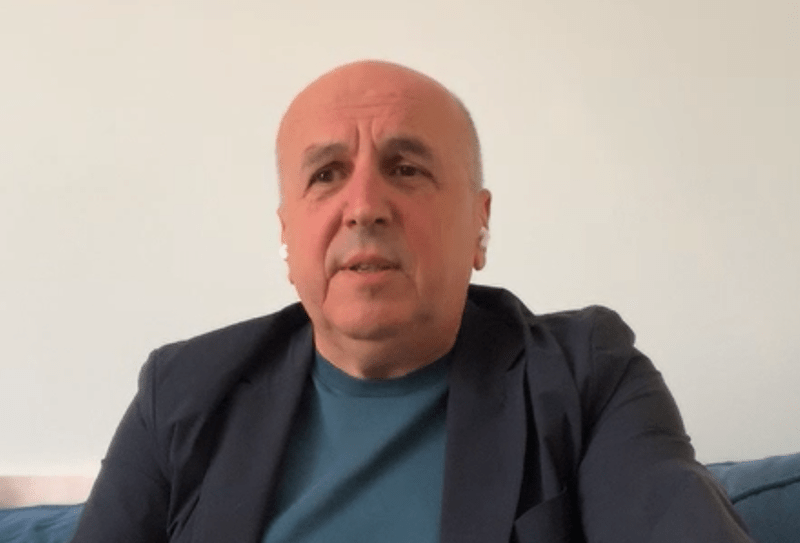
I want to clarify something in the story with the share capital, that it was difficult for me to understand about 30 years ago, says Adrian Stanciu, consultant and Romanian entrepreneur known for his activity in the field of organizational culture and training. Stanciu was a co-founder and partner of the Ascendis consulting company.
The first idea. First of all, the accounting of a company is not kept from the perspective of the shareholders, but of the company itself. As such, any money bring the shareholders to the company, from the perspective of the company are a duty, although not one like any other. I will describe below what is different, he explains.
Another idea that the entrepreneur wanted to explain is about how the accounting is kept. “The accounting of a company is kept in the so -called double party, that is, at any transaction the source and destination are registered. For this reason, all numbers appear twice, once as sources and once destinations, and the two columns must be equal, this is also a control key.
As a result, all the debts of the company, to anyone, including shareholders, must have on the other column an amount of assets in the amount equal. Active, not money, although they all express themselves in money, because the company uses the money for something, does not stand with them, that there is nothing. The share capital is an passive, not an asset, and the money deposited in his account is used by the company like any other money, ”says Adrian Stanciu.
Moreover, he adds, the company's accounting is kept in the hypothesis of infinite operation, ie there is no predictable horizon in which the company ceases its activity. This is because many assets have different value if the company operates from the case in which they cease its activity.
“Imagine you are a factory and you have a performing machine. It is very useful, but it is part of a production flow, it is caught with a foundation in the production hall. If the factory stops, the machine can be sold, but surely not at the value it has now when it is integrated into the production and productive flow. It pays to the creditors, to which the company has debts, including the shareholders.
In case of liquidation, that amount is paid last, he says. This means that the higher the amount, the higher the responsibility of the associates and the lower the risk of the other creditors. That's why, says Stanciu, banks do not accept degrees of indebtedness over some limits, because they risk not taking their money back in case of problems. The share capital is constituted at the beginning, but it can be increased and diminished along by incorporating part of the profits or registering losses. The problem is that, in case of liquidation, the value of the assets is much diminished.
Often, the value of the share capital is very diminished, because the companies in difficulty in a typical way have registered losses. This does not only lose the shareholders, but they lose something more and the creditors. For this reason, the law provides for an order for payment of the creditors, in which, as the shareholders said they are in line. The state is among the first.
“That is why I think that the measure with the share capital is absurd, it creates useless noise, it creates unnecessary and non-productive and non-resolved frustrations.
N.red: Adrian Stanciu is a Romanian consultant and entrepreneur known for his activity in the field of organizational culture and training management. He was a co-founder and partner of the Ascendis consulting company, one of the most important training companies in Romania, and then sold his participation in the company to dedicate himself to consulting projects in the management of organizational culture. Stanciu was also Country Manager and General Manager Romania and participated in the development of Human Synergistics Romania, the branch of an American consulting company specialized in organizational culture. It is recognized for its expertise in management and diagnosis of organizational culture and for promoting modern business consulting in Romania