“School textbooks make students look at life with pessimism and resignation”, warns two researchers from Romania


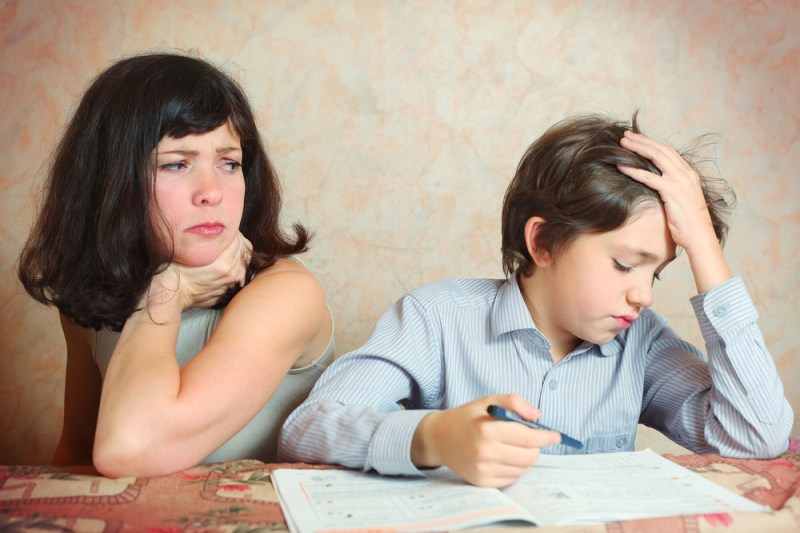
The studies of linguists show that the supersaturated textbooks – full of pessimism and requirements over the age of children – transforms them into “robots” without a desire to think alone. Photo: Shutterstock
A study at the Western University of Timisoara analyzes over 40 Romanian language and literature textbooks and shows that many of them send pessimistic messages, with trauma, fatalism and powerlessness. Why do texts in school textbooks seem hopeless and how do this affect children? The authors of the research – Mădălina Chitez and Roxana Rogobete – say that these texts not only do not encourage critical thinking, but can affect the personal motivation and development.
Why are the texts in such pessimistic school textbooks? Why don't students know to argue? Why their argumentative texts do not seem to bind? These university observations have motivated a group of researchers in linguistics at the Western University of Timisoara to ask questions about the quality of pre-university school textbooks. Are they correctly made up? Promotes or not the critical thinking that we all want for our children? Are the tasks properly? Researchers who have analyzed and studied school textbooks explain how they can lead to poor training of students, how they can affect not only their school performance, but also personal motivation or development, perpetuating a fatalistic mentality.
Mădălina Chitez, scientific researcher of the second degree, specialized in applied linguistics, but also founders and president of the Codhus Research Center (The Center for Research and Implementation of Digital Methods based on Corpus linguistics with applicability in humanist sciences From the Western University of Timișoara), he is the mother of twins of 12 and a half years. She was in the posture of the astonished parent to see in the Romanian 6th grade manual “some extremely difficult to accept names” that the characters addressed. Consulting the reading texts of his gymnasium daughters, he noticed that there were “narratives with a certain negative, pessimistic and language violence in some texts”. He knew the school textbooks before the Revolution, but he felt the need to compare with the post-December ones.
Read the continuation of the article HERE.