Exasperated by the damage caused by tourists, a famous destination wants to take an exceptional measure: “Maybe it's time to give up UNESCO recognition.”

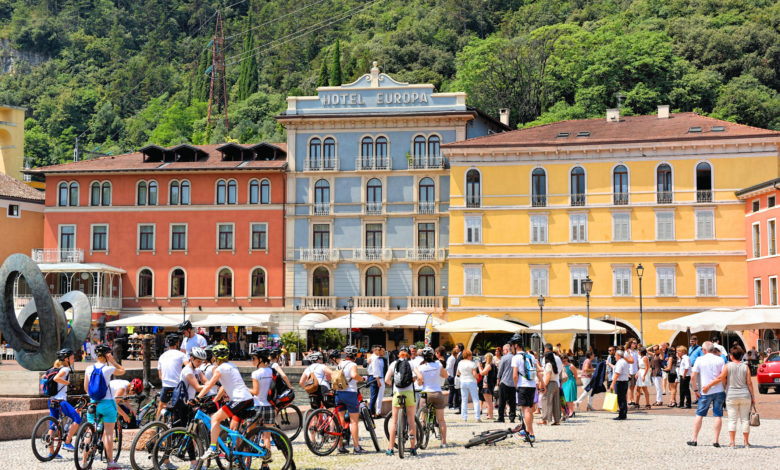
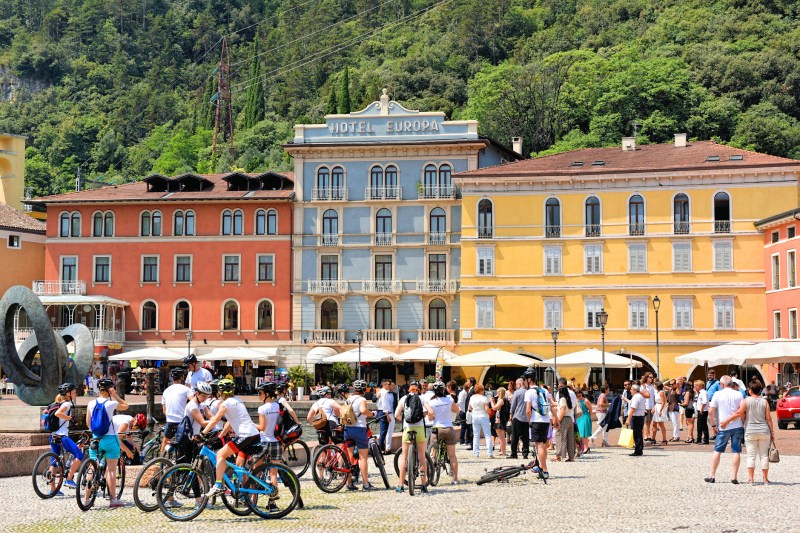
Tourists in Italy. Photo: Kenny Simpson | Dreamstime.com
Long kilometers to take the cable car, camping (and garbage) everywhere. There are days when the Dolomite Mountains are more crowded than the city of Milan during peak hours. This pressure becomes unbearable for places with a delicate socio-national balance and exasperates the inhabitants to the point where they resort to dramatic measures to draw attention to a problem-supersurism-which no longer affects arts such as Venice, but also besieges the mountainous areas, writes.
So, after a new “Sunday of Passions”, the chairman of the Committee for the Protection of Dolomitic Steps, Osvaldo Ogzzer, put the pen on paper, pouring his anger and bitterness in a harsh statement.
Essentially, it states: for us, the inhabitants of Dolomites, it is better to give up the recognition of the Dolomites as a world heritage UNESCO, received in 2009, which partially led to the problem of overcrowding in the area, to return to a quiet life.
“Maybe it's time to give up the UNESCO recognition of the Dolomite Mountains, which caused incredible damage to our mountains and not only, and to return to the hard work to produce, offer and promote quality services, as we are used, and not postcards,” writes Obrazzer, which are the case of the Lake.
“The fact that it was the place where the successful series was filmed a Passo Dal Cielo, amplified the notoriety of the location, and the social networks did the rest, creating a vicious circle,” the committee document shows. “The television series makes a famous place accessible, social networks amplify it, supraturism increases its popularity, which amplifies” supraturism “and, finally, access is closed, blaming the override.”
In this sense, a few weeks ago it aroused quite a lot of agitation the initiative of the owners of the land on which the route is held towards Mount Sceda from Val Gardenae. They have installed a tourniquet that asks for a fee to thousands of tourists who pass through the area daily.
However, this provocative initiative had the merit of revealing a phenomenon that causes serious problems between the mass of tourists and inhabitants, exasperated by the pressure they are subjected to daily. Even the Italian Alpine Club, although it has reiterated that mountain tourism must remain free and accessible to all, it has drawn attention to “the consequences of uncontrolled mass tourism in mountain areas”.
And not only Montane, as the same Oglazzer emphasizes in its provocative call. “The Coasta Amalfi or Cinque Terre are similar cases,” he reiterates, “areas sold only as postcard images, condemned to world fame and now victims and prisoners even with restricted traffic areas, as is considered for the dolomite mountains.
Maybe the time has come to reflect if we want to sell the postcard image of the Dolomite UNESCO site or do we want to build a quality tourist economy, with quality services, with a tourism that remains in the area, which travels the routes, which understands the identity and culture of places? The two things, the postcard images and the quality tourism, cannot coexist, see Braies, Dolomites, Coasta Amalfi or Cinque Terre ”, concludes Ogrezzer.
Photo: © Kenny Simpson | Dreamstime.com