For Brazil it is a chance for redirecting about 8 million bags a year, and for China – an opportunity to secure the raw material on the dynamically developing market and to strengthen political and commercial ties under BRICS.
The Chinese embassy in Brasília announced that an additional 183 exporters can immediately send grain to the Middle Kingdom, and the permits themselves apply until 2030.
In June, Brazil sold 440,000 to the USA. 034 bags (60 kg each), over seven times more than its then volume to China – 55,000 980 bags. Beijing declares their readiness to flexibly increase importsto absorb the surplus resulting from American restrictions.
American tariff blow
Presidential decree of July 30 Applies an additional 40 percent duties on Brazilian agricultural goodsadding up with 10 % at the rate of April. In total, this gives a record 50 percent. Washington justifies the move with “national security issues” and political dispute around former president Jaira Bolsonaro.
For American roaster, this means a rapid increase in the costs of raw material – The first forecasts talk about a jumping increase in coffee prices on the term and detail. Independent cafes from Maine to North Carolina are already announced by a cup price increases by several percent.
Special offer
Brazilian dilemma
Brazil satisfies about 33 percent The US demand for coffee, generating revenues of $ 4.4 billion in the last 12 months. Meanwhile, only 538 thousand went to China in the first half of the year. bags, though Consumption in the Middle Kingdom increases by 20-30 percent. annually and doubled as a resident in five years.
Exporters from São Paulo predict that this season, sales to China can be equal to the volume to the European Union, if the parties falling out of American contracts are logistically redirected.
What do China gain on this? The demand for coffee in China was worth $ 3.06 billion. in 2024 and is expected to increase to $ 4.47 billion. in 2030at an average rate of 6.5 percent annually. Industry reports record up to 30 % Annual leap of consumption in the largest cities, and the Mordor Intelligence study indicates that the instant segment is growing the fastest thanks to e-commerce.
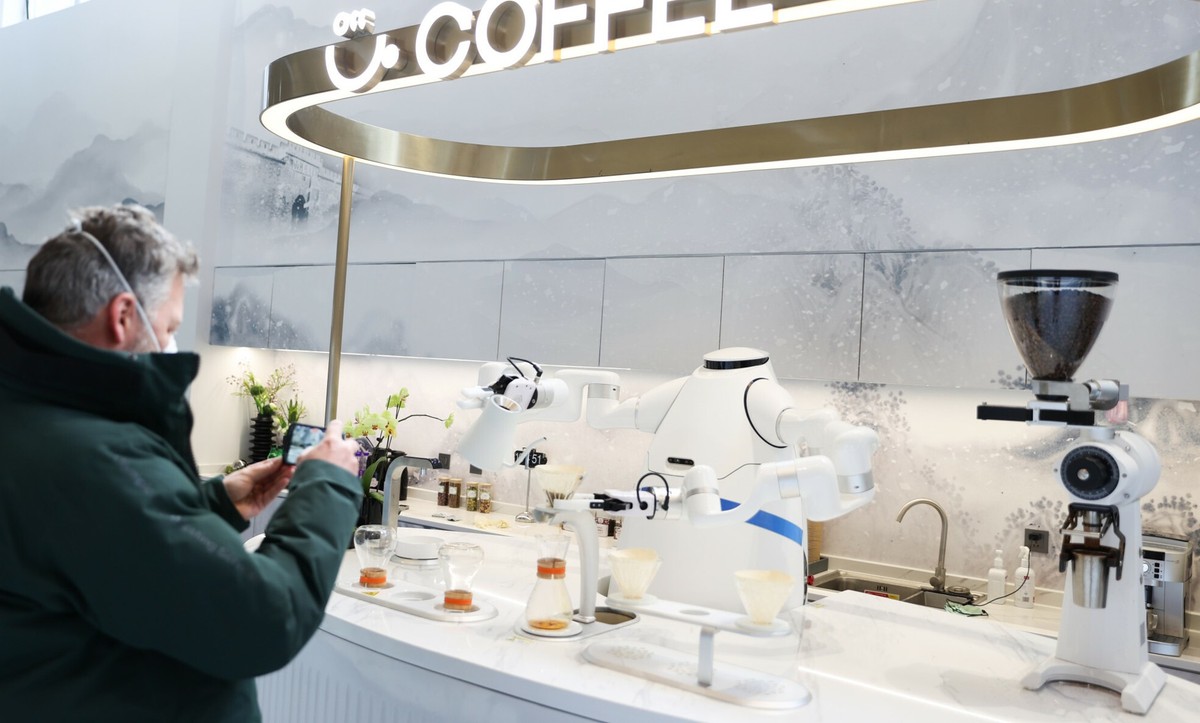
Chinese networks work offensively. Mixue announced the investment of 4 billion yuan in direct purchases of Brazilian grains and the construction of a supply chain on the spot, and Luckin will order 240,000. tons of coffee for 10 billion yuan for 2025-29. Even global players like Starbucks, with 7828 premises in China, emphasize the need for “local sourcing” raw materialto counteract price and courses fluctuations. The market in the cities of third and fourth row is becoming a new arena of competition – there both Luckin and Starbucks record double -digit sales increases.
Politically, Beijing sends a Solidarity signal within BRICS and builds an alternative commercial ecosystem towards the USAcovering not only soy or beef, but also products with a higher added value, such as coffee. Distributing the sources of imports protects China against geopolitical risk and at the same time increases the lever in commercial negotiations with Washington.
Global consequences
Analyzes of Grand View Research and reportlinker show that even with the dynamic growth of the Chinese market, coffee is responsible for barely 1.1 percent. World sales in 2014. The potential is therefore huge. If China consumes a significant part of Brazilian exports, free powers may appear in Europe, which can reduce prices in the EU, while the United States will face the quality of Arabica's qualitative deficit And they will reach for more expensive or less popular sources.
Roasters are already testing bypasses – from re -export through Mexico to shopping in Africa, but analysts indicate that in the absence of a “full identification of the supply chain” the effectiveness of duties may drop to 10 – 15 percent.
If Beijing maintains the pace of opening the market, Brazil in two years can become the main supplier of coffee to Chinawhich diversifies its wallet and will reduce dependence on the United States. Chinese consumers will gain more stable supply and greater price competition, and native coffee networks – a cost advantage over foreign brands. At the same time, the American coffee sector, from growers to cafes, stands in the face of the prospect of increasing prices and reorganization of supply chains.
The coming months will decide whether the new customs policy will prove to be a lasting change in the geopolitical coffee trade map, or just a short -term shock that the market will protect the market through creative bypasses and changes in the directions of the flow of grains.