At the ibric or espresso machine, hot or cold, “black” or with milk, sugar and flavors, the coffee is more than a product, it is a habit, a social and professional binder, tabet and pampering, but also a lot of research, development, testing and harvesting, processing and transport.
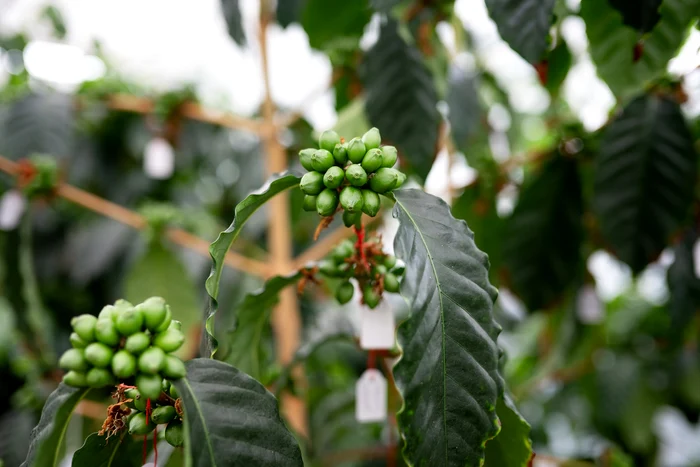
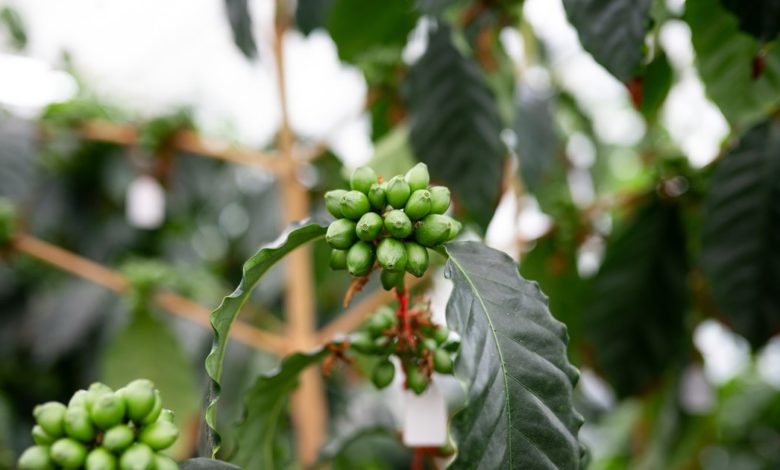
The Department of Plant Sciences in Tours, France, part of the Institute of Agricultural Sciences in Lausanne, Switzerland, 40 researchers develop new coffee and cocoa plants, such as Robusta, Rouubi 1 and Roubi 2 varieties, cultivated in Mexico, and which produce up to 50% more than standard varieties, reducing 30%. In parallel, Star 4 was developed, an Arabian variety with high efficiency, characterized by the larger dimension of the grains and the resistance to rust of coffee leaves, which is currently tested in São Paulo and Minas Gerais, Brazil.
The 40 researchers from Tours are part of the global research and development network that feed the innovation ecosystem and which is the most advanced science and innovation network in the food industry, with 4100 employees in total, in 22 places globally, from scientists and engineers to nutritionists, specialists in regulations and many specialties.
According to them, coffee consumption habits have changed. It is not just a cup of black coffee in the morning, but also of cold coffee, aromatic coffee, latte, throughout the day (in the middle of the morning, in the afternoon, in the evening). Many consumers, especially the young generation, fall into this category through cold coffee, mainly through cafes, and this is the kind of experience they would like to see delivered at home.
Most people prefer black coffee
Globally, consumption looks like this: 56% prefer black coffee and 44% mixes, 87% hot, respectively 13% cold, 65% without flavors and 35% flavored. 71% of coffee consumption is in the morning, 29% at lunch or afternoon.
Among the Z generation, 30% of young people prefer cold coffee, consumed especially in the afternoon. “For Europe, including Romania, we have already reached 100% coffee from responsible sources, exceeding the group's commitment to achieve this goal by 2025. In 2024, it purchased 32% of its coffee from farmers who implement regenerative agricultural practices. This achievement exceeds the 20% objective for 2025, reflecting the strong traction that regenerative agriculture earns among coffee growers. The soluble coffee drunk by Romanians was obtained from crops adapted to the new climatic and environmentally friendly conditions ”explains Ramona Hărătău, Mixes Business Lead South Eastern Europe Nestlé.
Regenerative agriculture aims to improve health, soil fertility and biodiversity, which, on the other hand, can help attract and capture and capture the soil and plant biomass. Reducing CO2 emissions from agriculture through practices that improve soil health and fertility, such as optimized use of organic and synthetic fertilizers, coverage crops, plants, agrosilviculture. Healthier soils are more resistant to the impact of climatic changes.