The miraculous plant sought for 2000 years: it was worth more than gold, it had an contraceptive role, it could heal impotence and cancer

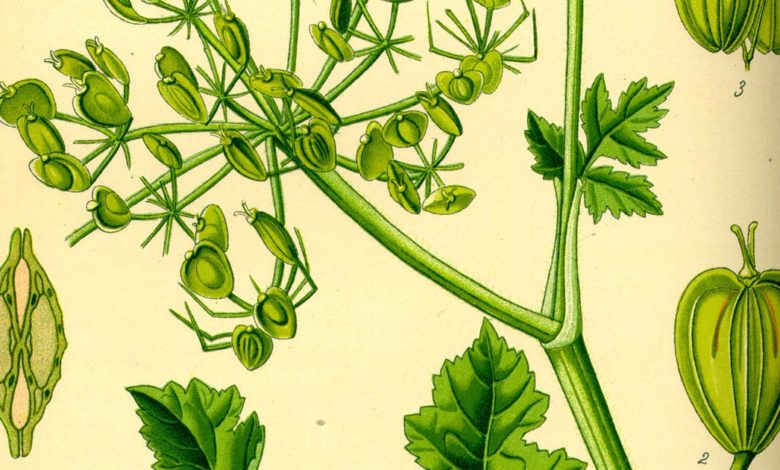
The researchers are looking for a miraculous plant that has been lost about 2000 years ago. It was called Silphium and it was so precious that a few grams had become more silver bags. It was considered an effective cure for cancer and impotence. A group of experts says he found it.
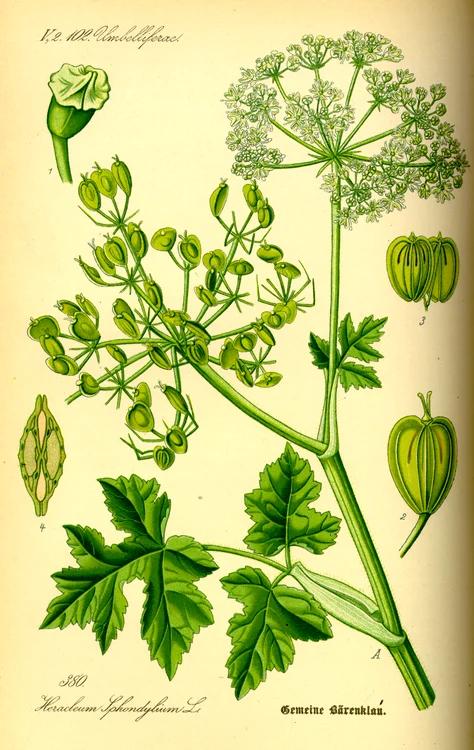
A sketch of the plant Silphium photo wikipedia
Ancient medicine hides some secrets that have not been revealed today. Current specialists believe that the ancients had miraculous plants, today considered missing. The new research indicates that one of them, which was worth gold and silver bags in ancient Rome, could be rediscovered. The plant, they say, would always have grown under our eyes without knowing its miraculous curative potential: he could heal impotence and cancer, had contraceptive properties and was an extremely appreciated spice.
The mysterious plant born of “black rain”
The plant was called Silfium and raised only in one place. This is a narrow strip of land in the Cyrenaica area, North Africa. Cirenaica was a group of five cities Greek colonies founded by the inhabitants of Terra, from the Aegean, through the 7th century BC. It is known that the island of Terra (Santorini, as it is known today) has been devastated by a strong volcanic eruption. Those who escaped the disaster would have taken refuge on the shores of North Africa, in today's Libya area, and founded the city of Cyrene, the most powerful city in that area. Cirene is located on a ridge of the Jebel Akhdar hills and the archaeological remains cover several hectares and include monumental temples, theaters, public baths and palaces. The city is surrounded by the necropolis in Cirene and since 1982 it is a UNESCO World Heritage site.
Cirene was an important Greek commercial and cultural center led by a dynasty of monarchs called batties that were enriched from the trade with this mysterious plant. In addition to Silfium, those in Cirene also exported race horses. Over time, Cirene has expanded control over the other Greek colonies on the shores of today's libya, constituting a confederation known in antiquity as a cirenica. Cyrenea reached the control of Egypt Ptolemaic and then, in 96 AD, was conquered by the Roman Republic. Cirene resisted until the Arab conquest of 642 AD. Finally, the city was abandoned. With Cirene was lost and followed by the magic plant growing here. Her presence on the coasts around Cyreanic was proven by the currencies that had printed the image of Silfium, but also by the countless medical treatments of the time that describes it.
“Silfium has a very thick root. Its stem is like a ferry (a umbeliferous plant, like a crutch) and is almost as thick. The leaf, which I call turn, is like celery. It has a wide fruit, which is like a leaf, and it is called a strain. Peeling the plant.”, Wrote Euesperides Theophrastus, a Greek philosopher and botanist from the fourth century BC.
The old ancient stories say that the siflium appeared after “a black rain” that swept the east coast of Libya more than two and a half millennia ago. Since then, the plant has grown unstoppably in huge quantities on the coasts of North Africa, being resistant to drought. Some suspect that, in fact, it was a native plant on the island of Santorini, and its seeds would have been scattered by the devastating winds from the volcanic eruption of 1500 BC, reaching the coasts of North Africa.
A miracle plant of antiquity worth gold and silver bags
This wild plant was mentioned in most ancient writings precisely because of its miraculous properties. Absolutely any part of a Silfium was used either in gastronomy or in ancient medicine. Teofrast realized that he was flavoring the food in an exceptional way. In addition, he fattened the sheep and made their flesh. This is why the animals were allowed to graze on the fields full of Silfium. At the same time, as the ancient authors in Rome also showed, the roots of the plant were consumed fresh or transformed into a luxury spice, being soaked in vinegar. In some cases they were fried or cooked to produce an aromatic juice.
One of the reasons why Silfiul rarely became during the Greek and ancient Roman era was the multitude of things for which it was used. The Roman Gurmand Apicius described a unique way to increase your expensive spice, placing a pine seeds with Silfium in a tight glass jar. When Silfi was asked in a recipe, he suggested the removal of several pine seeds from the jar, crushing them and adding them in the way.
According to Apicius, “They will give your preparation an admirable aroma“. The most important applications of the plant were in medicine. Silfium was considered a universal drug with incredible power in treating many conditions. It was used for tooth pain, intestinal disorders, hormonal disorders, goose, epilepsy, tetanis, polyps and even malignant tumors.
“They used to feed their cattle with this plant. At first they purify them, but after that they were fattening, the meat improved their taste in a surprising degree. After the leaf fall, the people had a habit of eating, either fried or boiled. Because of the drastic effects of this diet, the body was purely,”, Wrote the old man. He also recommended fumigations with this plant and rubbing wounds, especially dog bites, with stems.
She was so sought after and rare that she was considered more expensive than gold. “It was sold by ancient merchants, as we sell the spices today. History records that, due to high demand and limited offer, some considered it more appreciated than gold.”states the specialists from Integrated Pest Management at the University of Missouri.
A good plant for love without unwanted tasks
In addition, Silfium had become famous for his qualities in the art of love. On the one hand he was a powerful aphrodisiac. Silfium derived juice was used to treat both impotence and to help men have special performance in the bedroom. All Silfium juice, consumed this time by women, was considered a natural contraceptive with guaranteed effects (at least that's what the ancients said). It is mainly believed that it was rather an effective abortive in the event of an unwanted pregnancy. It is said that the shape of the heart associated today with love is actually the form of Silfium seeds. From his delicate flowers were made the strongest and most coveted perfumes of antiquity.
Unable to cultivate, disappeared in the blacks of history
Silfium was famous since the 7th century BC, being massively exported. The kings of the cherries made real assets with the transport of Silfium. Excessive consumption and such high requirement made the plant actually disappear since ancient times. It was impossible to cultivate, they said. Her cultivation put it in dilemma even the famous Botanist Theofrast, who failed to multiply it. “Often the problem is the signs”, Confess for BBC Monique Simmonds, deputy director at the Kew gardens in London, making a parallel with the poppy.
Researcher Mahmut Miski of the University of Istanbul believes that he has rediscovered, after 2000 years, the famous Silfium, the Panacea of Antiquity. In the study published by Miski in the specialized magazine “Plants”, the Turkish researcher and his team stated that Silfium is actually Ferula Drudeana. This plant grows on Mount Hasan and resembles striking with silfium specimens represented on coins or in the old botanical texts. Research continues especially to determine if it has therapeutic effects.