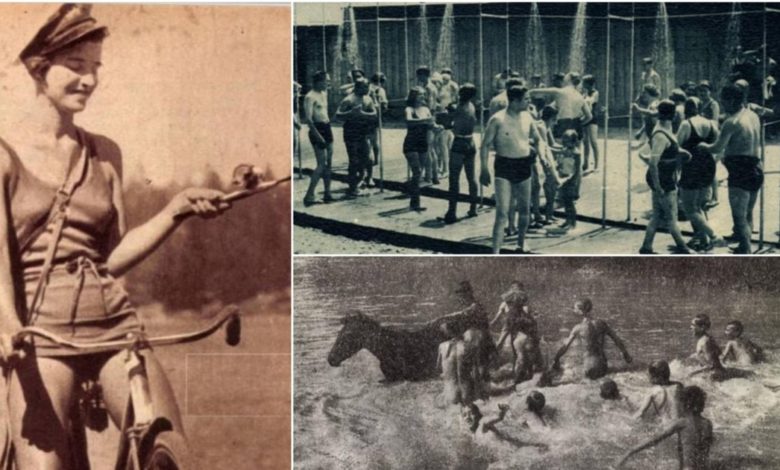
Bucharest people have gone through many nightmares due to the heat, but they found shelters in pools, forests and parks, when the streets of the city became unbearable. The story of the oldest beach was marked by a disturbing episode.
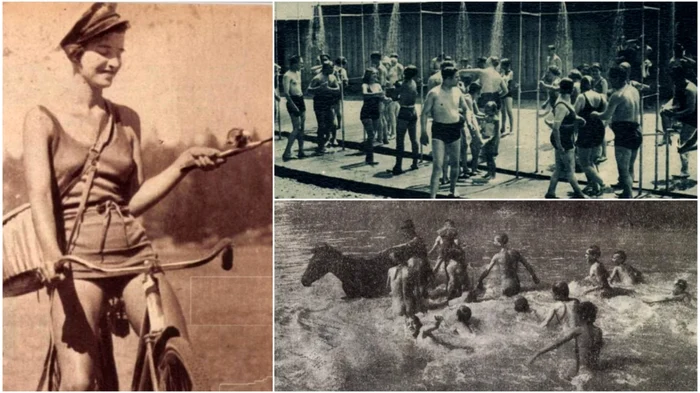
Images from inter -war Bucharest. Photo: Reality magazine illustrated. 1939
The heat of summer has been, over time, one of the biggest seasonal problems of the capital's inhabitants.
Many years before the air conditioning becomes an ordinary ally against temperatures above 40 degrees, the forests around the city, the parks, the Dâmbovița waters, the lakes, the pools and the beaches were considered the most useful refuge places.
“The summer destiny of Bucharest is the same: to live with the scorching sun above the head and the asphalt as if by Jeratec. To snatch a few hours at least to this torrid existence, the citizen seeks a refuge in the parks around the Capital, but especially in the beams,” informed the illustrated reality in 1939.
The waters of the capital, too dirty to be searched during the heat
In the 1920s, the authorities frequently attracted the attention of the locals that the lakes in Bucharest and the Dâmbovița water were not suitable for bathing.
“As for the lakes on the outskirts of the capital, I admit that not only are they not attractive, being dirty and often mocirose, but they, by the abundance of papure and herbs, are also dangerous, even for those who know how to swim. The Dâmbovița river is also a dirt, and it is not a dirt, Depth, it would not be of any use for bathing ”inform the newspaper in the morning, in the summer of 1925.
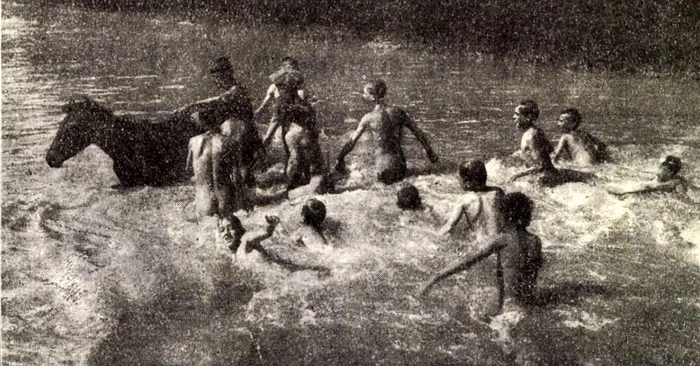
Bathed in Dâmbovița. Source: in the morning. 1925
Then, the capital had only 4-5 swimming pools, almost all, except for the one in Grivița, linked along Dâmbovița, accessible to the locals in the nearby neighborhoods and, sometimes, only to men.
The first day of the beach in the capital made three victims
It was not until the 1930s that the pools in the capital began to become popular. The oldest of them, the Kiseleff Beach (later called Youth), was inaugurated in the summer of 1929, after being arranged in less than two months. On the first day, thousands of people came to the beach, but three of them died.
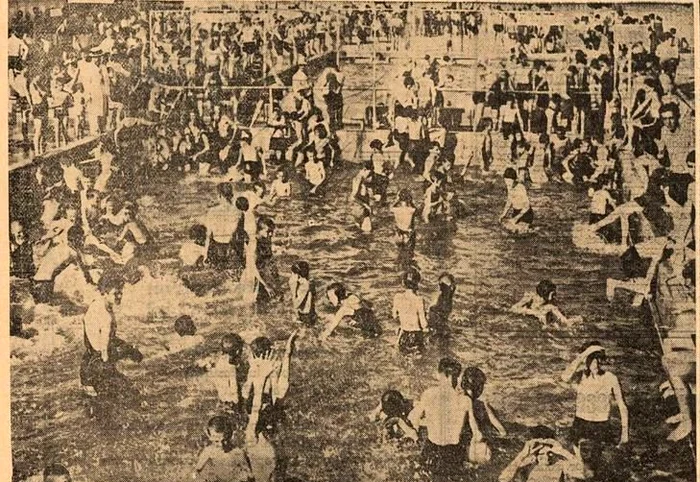
At the beach in Bucharest. Source: Romania Capital, 1939
“The freshwater basin made the Bucharest residents, persecuted by the heat lately, look forward to the opening of the beach. Sunday, burning with burning, was a day for debut, in a beach that offered, apart from the water, all kinds of leisure. Thrown in the water from the trampoline and did not rise to the surface until late – without life.inform the newspaper in the morning, in July 1929.
Some of the guilt was the heads of the beach, who did not prevent the throwing in the water, although the quantity was insufficient. But the press reported that the victims were, in their turn, lacking experience. Two of them did not know how to swim, and the third plunged into the head, hitting the concrete, not knowing that the basin water was less than two meters deep.
The beaches conquered the people of Bucharest
In the coming years, other pools and swimming pools were opened in the capital, becoming more and more popular, especially on hot days. Many locals considered them an ordinary ally against the heat and the places that made the summer more bearable in the capital.
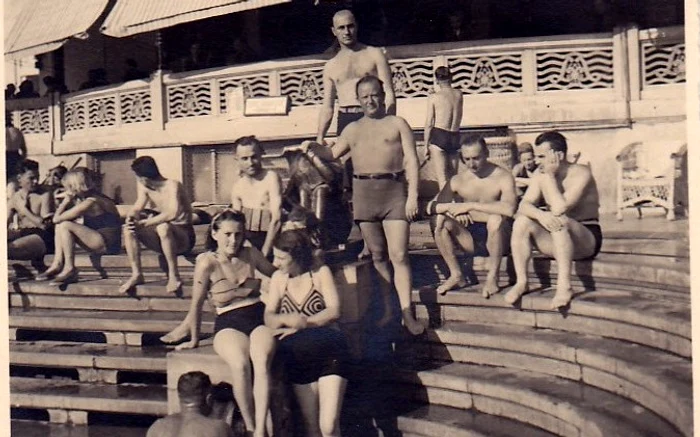
At the pool in Bucharest, the interwar years. Source: delcampe.net
“We remember that at the appearance of the first beach, only a few years ago, a real campaign was unleashed in the name of ultragous morality and other sacred deities, but, over time, even the most inverted enemies of the beach, no man's manual manual. Forbidden means to commit an attack, to facilitate them means to make a work of civilization. informed the illustrated reality in 1939.
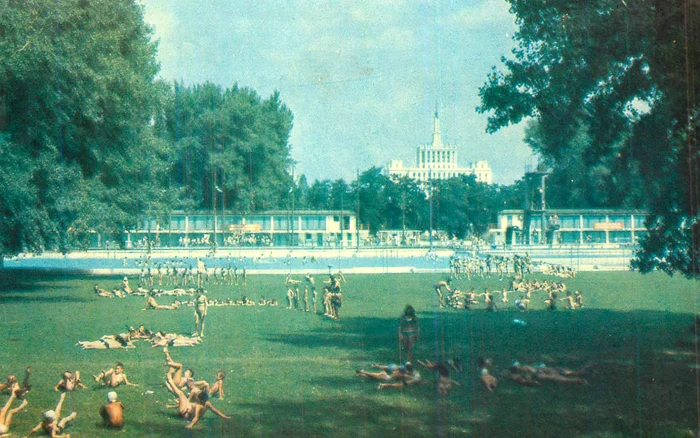
The youth beach in the 1960s. Photo delcampe.net
After all, even the most skeptical of Bucharest in terms of beaches seemed to recognize their importance, informed the interwar press.
“Thousands of people went to the beaches of the water with Bucharest. There, there, young and old are struggling for a square meter of water, for a square meter of the lake surface, where to hide their body. On the street in black clothes and other citizens for whom this modern battery is a place of reunion not too serious, along with the stall and tie, the opinions at home and took refuge, hung up to the heat. Note the newspaper Romania – the capital, in 1939.
The terrible summer of the past
In the past, along with pools, forests around the capital became places of refuge for overwhelmed locals.
“Yesterday's heat was louder than the water of the beach, than the lemonade bottles and all the soft drinks. Some of the citizens stormed the buses, heading to the forests on the outskirts of the Capital. Looking at them, it is impossible not to come to mind other images, which play scenes during the refuge, when the population, frightened, leaves the city, heading where it sees with eyes, for fear of enemy attacks ”informing “Romania – capital” in 1939.
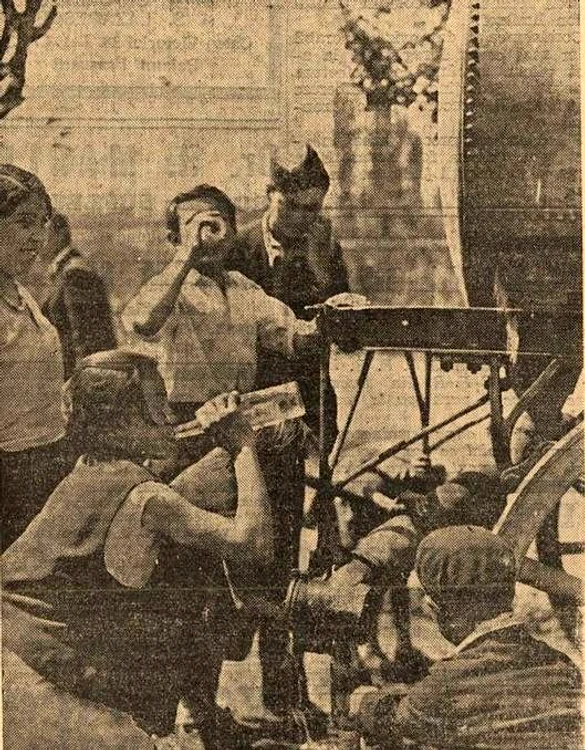
The locals drink water from the street tanks. Photo: Illustrated reality 1939
Those who are left to face the heat were sheltering in homes, leaving the streets and sidewalks of the city. The press of 1939 described the warm wave that hit the capital in the summer of 1939.
“Another day of desire, of terrible burning, warmed the capital, hot, the asphalt and causing Bucharest to live clocks of true hell. The heat began to grow with the dawn. The path of Victoria, as long as it is usually animated, was almost all day long.“Informs Romania – the capital in 1939.
Animals, victims of heat and ignorance of humans
Along with humans, numerous animals had to suffer from Arșita. “The horses often fall wide on the hot caldema, like huge steaks penetrated by the heat.
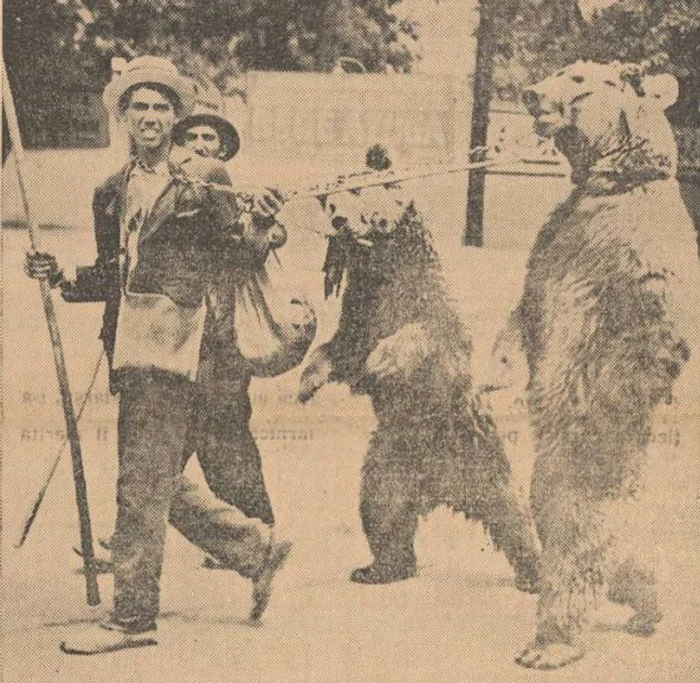
The bears, worn in chains on the streets, in full heat. Source: Romania Capital, 1939
In the middle of the day, on the streets of the Capital could be seen bears carried in chains, in an equally tragic state.
“In these days with infernal sun, the scratters did not end up carrying other ghosts, reminiscent of a wild life known in the forests.showed the press of 1939.
Only the birds, which were hiding during the day, seemed a little more away from the heat on the most hot days.