According to Welt Am Sonntag, the EU military operation Irini (Eunavfor Med Irini) in the Mediterranean, aimed at enforcing the UN embargo for the supply of weapons to Libya and the fight against illegal migration in the Mediterranean Sea, will most likely be completed.
EU diplomats unanimously stated: “In the current situation, a recognized by the international community of the National Agreement in Libya is no longer willing to repeat the invitation to continue surgery.” The invitation from the government of Abdul Hamid Dbeibeh based in Tripoli is considered the basis necessary to enforce an UN embargo for weapons.
According to internal documents of the European External Service (EAD), a crisis meeting between the high representatives of the EU and the Libyan government, which took place on June 30 this year, did not bring specific progress on the extension of the UN mandate. Despite Brussels's offers, the government of the national unity again expressed its reservations during the meeting to the extension of the mandate.
Diplomats also emphasize that in May this year the UN seat was not extended for a year, but for the first time only by six months, until November. “It was a compromise achieved after the government of the National Unity strongly opposed the extension of the UN mandate,” said diplomatic circles in Brussels.
It is concerned about the fact that the end of the operation can encourage smugglers gangs and promote illegal migration by the Mediterranean Sea. “The end of monitoring and control using satellites, ships and aircraft will facilitate the work of illegal smugglers in the region and will cause a further increase in migration from Libya to Europe” – predicts one of the diplomats.
Opposition of Libya
The Irini military operation, in which 23 EU countries participate, began in the spring of 2020. On the European side, France is responsible for the extension of the UN mandate, which is a permanent member of the UN Security Council. In addition to enforcing the UN embargo, weapon supplies to support peace in Libya and combat undocumented migration, military operation also aims to prevent illegal transport of oil from Libya, and at the same time conducting training for the Libyan Coast Guard and Navy.
The exact reasons for the opposition of the Libyan government regarding the extension of the UN mandate are not clear. EU diplomats say that you can only speculate on this topic. As one of the possible reasons, the fact is that in the Libyan -covered Libyan, both the government of national unity and the international government of Khalifa Haftar derived financial benefits from people smuggling.
According to diplomats in Brussels, both sides are also afraid that they will be injured during the enforcement of an UN embargo for weapon supplies. Libya is de facto Divided into two parts, and the Eastern region is controlled by General Haftar, who is closely associated with the Russian regime. Both sides of the conflict are fighting not only for control over the country, but also for billions of oil trade income.
Continuation of the material under the video
The only way out
In Brussels, however, it is said that Irini surgery can be continued even without a UN mandate and invitations from Tripoli, based on the EU decisions. At that time, ships could not operate on Libyan territorial waters in the so -called 12 mile zone, i.e. an area stretching up to 12 nautical miles (about 22 km) from the coast of the state in which the state exercises full sovereignty. In the fight against undocumented migration, this approach is considered particularly effective.
In addition, according to EU diplomats, in the Union there is a threat of disputes regarding a specific shape of the new mandate. According to the UN, there are currently about 850,000 in Libya. migrants and refugees. From June 2024, about 90,000 arrived. people. Most of them live in extremely difficult conditions.
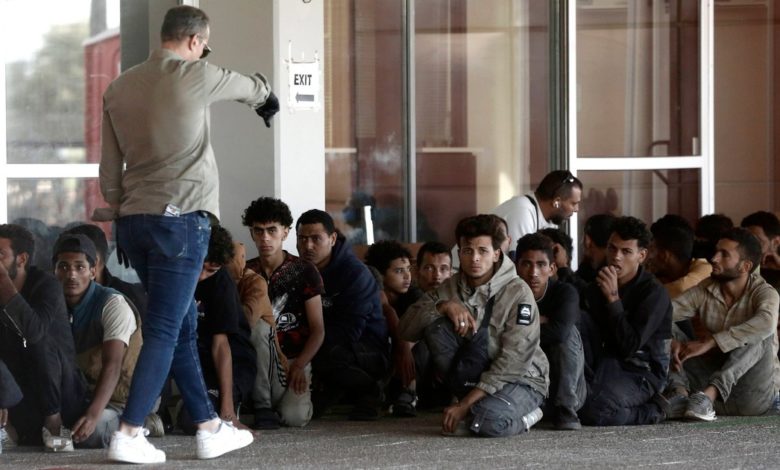
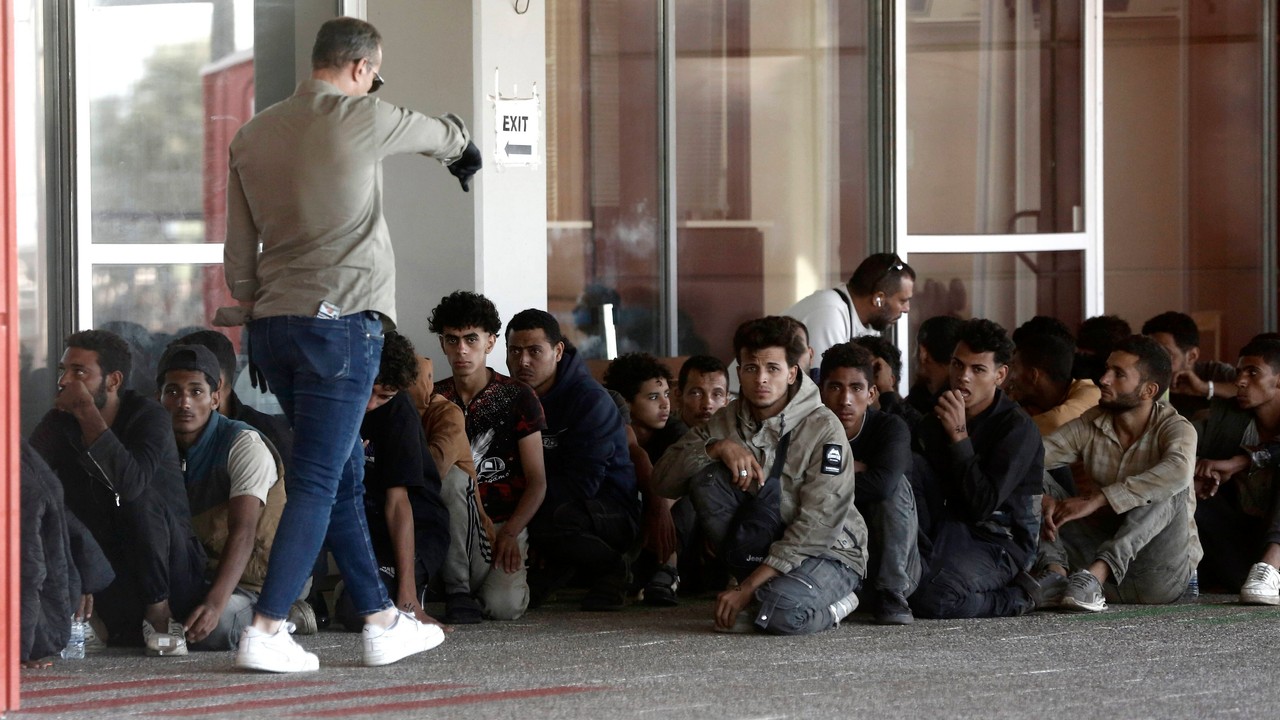
Since the beginning of the year, migration from Libya has increased significantly again, affecting Italy and Greece. Only on the Greek island of Kret this year over 8,500 migrants came, mostly from Egypt and Sudan.
Athens introduced a temporary ban on giving asylum to migrants coming from North Africa through the Mediterranean Sea. As part of the fight against the growing migration, the EU commissioner for migration Magnus Brunner, along with several interior ministers, visited Libya this month. However, the Rebel leader Haftar did not agree to the adoption of EU politicians.
I’m Ashley Davis as an editor, I’m committed to upholding the highest standards of integrity and accuracy in every piece we publish. My work is driven by curiosity, a passion for truth, and a belief that journalism plays a crucial role in shaping public discourse. I strive to tell stories that not only inform but also inspire action and conversation.