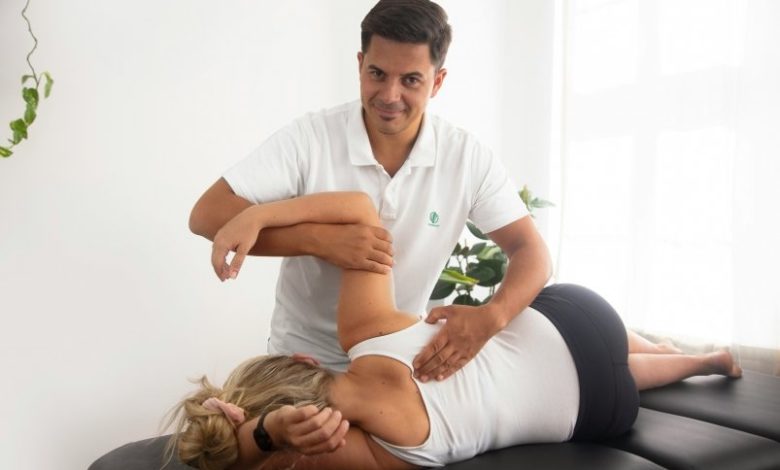
After massage, some notice bruises and pain. This causes disputes: some consider them a sign of quality work, others – the reason to change the specialist. About when such reactions-the norm was told by a specialist-rehabilitologist on the pages of Voice (18+).
The expert explains that it is important to distinguish between hematomas and bruises. The hematoma (bruise) appears when the vessels rupture and is accompanied by severe pain, darkening the skin. This is a signal of excessive pressure and trauma – this should not be even with intense techniques.

Bruising is the result of leaking blood through the walls of the capillaries. It is possible with deep study, especially with anti-cellulite, vacuum or guasha massage. Typically, such traces quickly pass and are not accompanied by pain.
Traces in the form of dots, stripes or spots – a reaction to stagnation, muscle cramps or dense fascia. Their occurrence may be associated with the activation of blood flow and even benefit, comparable to the effect of autohemotherapy – stimulation of regeneration due to local irritation.
In addition, a competent massage therapist never starts aggressive technique at once. First – soft preparation. And only then – a deeper job.
The rehabilitologist emphasized that small bruises are permissible, and painful bruises are an alarming signal. Focus on your well -being, do not hesitate to ask questions and contact professionals.
Important: this information is not a replacement for a doctor’s consultation. The body's reaction to changes in nutrition/training may depend on individual physiological characteristics, genetic predisposition and health status. It is recommended to consult a specialist.