
The US missile defense affected after the 12 -day war. Thousands of interceptions consumed to help Israel

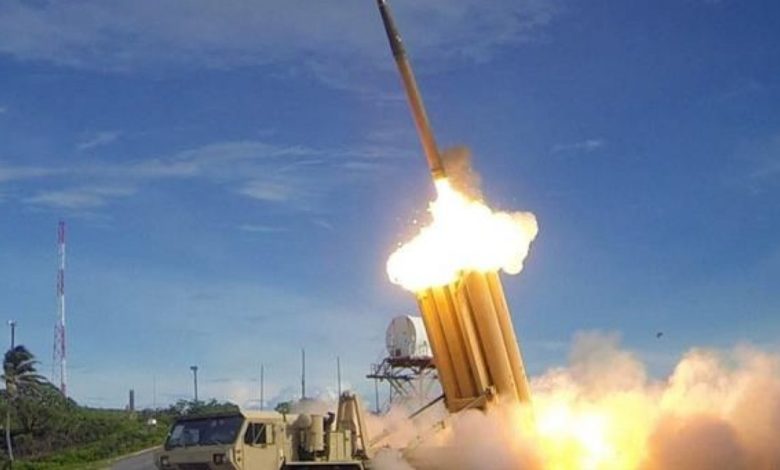
During the 12 days of confrontations between Israel and Iran, the United States sent to Tel Aviv a significant part of their advanced capacity for missile interception-the Thaad system (High Altitude Terminade Defense), according to specialized publications and independent analysts. The purpose was to counteract the Iranian launch on the Israeli territory, but the project affected the strategic resources of the American army.
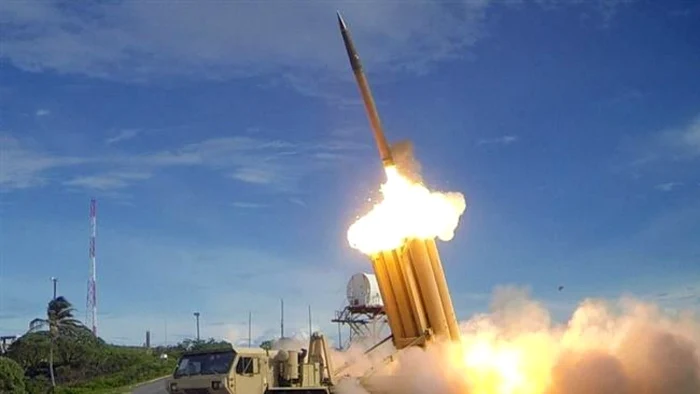
The Thaad/Photo Astrachtette system: Archive
The Pentagon's press office refused to provide concrete data, limiting itself to communicate “we have nothing to provide”, a discreet approach behind which hides costs and effects that are difficult to quantify, writes Newsweek.
Israel has been traditionally based on the Thaad system developed by Lockheed Martin to protect themselves from the ballistic missiles launched by Iran or auxiliary groups like the Yeman Houth. Washington has seven such batteries, and an additional one for hypersonic missiles. Every movement of a battery in another area involves a burden on the American global capabilities.
The accounting impact
Credible estimates indicate the use of 15–20% of the global stock of Thaad interceptors in the 12 days of war, at a possible cost of over $ 800 million, according to the Bulgarian Military News and the Military Watch Magazine.
A Thaad interceptor costs between $ 12 and 15 million, the total costs per battery climbing to $ 1.3 billion only for the complete system, and the production on 2025 amounting to $ 18 million per piece, or $ 27 million with R&D integration, according to the expert Sidharth Kaushal from the Russians.
The open-source analyst @airpowernew1 estimates that 10-15% of the American stock would have consumed, out of a total of 39 interceptions.
How Thaad works
The Thaad system intercepts the ballistic missiles in the terminal phase – immediately before the impact – covering an area larger than the American Patriot system and completing the Israeli defense squadril, which also includes the ARROW system (for long -range missiles) and Iron Dome (for short -range missiles).
During the conflict, Thaad was helped by the patriot and by the weapons from the destroyers in the interception of the ballistic shoots in Iran. However, he suffered two notable failures in May: an attack against Ben Gurion airport was only stopped by the Arrow system, after Thaad failed.
What the specialists say
Tom Karako from CSIS warned during the confrontation: “Neither the US nor Israel can continue to intercept rockets endlessly. The pressure should be redirected otherwise, fast and efficient.” Meanwhile, one of the independent analysts, @mechosint, emphasized: “After so many decades, Israel cannot win a war without the direct support of the US.”
The urgent restoration of Thaad stocks is inevitable – not only to restore the protection of Israel, but also to strengthen American defense in the Middle East, Pacific and Europe. The costs and logistics of this operation will mark the speeches in Pentagon and the challenges of suppliers such as Lockheed Martin.
The partial withdrawal of the Thaad systems from the American arsenal to strengthen the Israeli defense has highlighted the central dilemma of the Western strategic alliances: the immediate protection of an ally versus compromising the US military resources. The battle did not end-but moved into a tax and regional war, with major global risks.


