The European Space Agency supports a new field of study at UPWR. Satellite and space data engineering

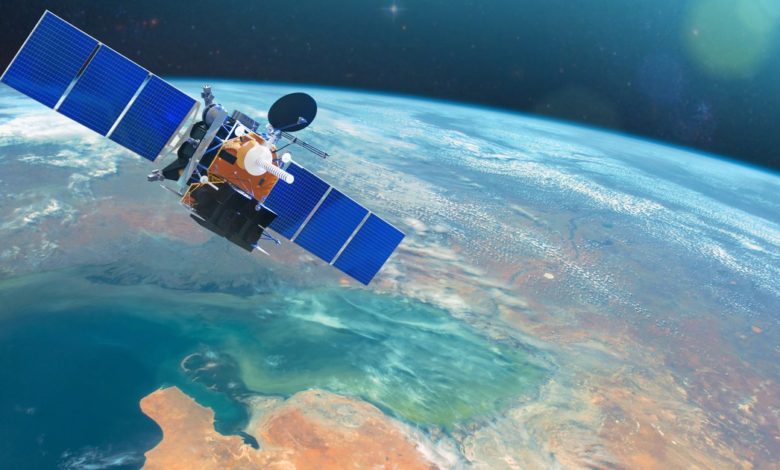

The University of Life Sciences in Wrocław launches the field of study “Satellite and space data engineering”. The program, which is the first in Poland to focus on comprehensive work with data from space, gained the official support of the Polish Space Agency (Polsa) and the support of the European Space Agency (ESA) – writes Gazeta Wrocławska.
As explained by dr inż. Radosław Zajdel, head of the team responsible for developing the program, the new field stands out from other studies related to computer science, geoinformatics and cosmic technologies. Students will have the opportunity to gain knowledge and skills covering the entire work process with satellite data – from obtaining and processing, to analysis and visualization.
“To change satellite data into a product, they need to be organized, classified, cleaned, processed, combined with other data, visualize, model, use in prognostic models” – explains prof. Witold Rohm, director of the Institute of Geodesy and Geoinformatics UPWr.
Space field of study. Combination of science, technology and practice
The study program combines the elements of Data Science, Computer Science and Earth Sciences, enriching them with modern data analysis technologies such as artificial intelligence. Thanks to this, students will not only gain solid theoretical foundations, but also learn practical methods of processing and using space data in various sectors of the economy.
“No key sector of the economy works today without satellite systems – from transport to stock exchange. Still, there is still a lack of specialists who can use data from space in practice. This direction is to change this” – emphasizes prof. Krzysztof Sośnica, one of the originators of the direction.
Support from Polsa, ESA and industry leaders
The new direction has gained not only the official recommendation of the Polish Space Agency, which emphasized its strategic importance for the development of the satellite technology sector in Poland, but also support from key companies and industry institutions, such as Cloudferro, Spyrosoft, Infosolutions and the Space Research Center of the Polish Academy of Sciences. Experts from these organizations will actively participate in the didactic process, sharing their experience from implementation, analyzes and research and development projects.
What's more, the University of Life Sciences in Wrocław recently signed a contract with the European Space Agency (ESA) for the implementation of the project as part of the Genesis mission. The purpose of this initiative is to increase the accuracy of global satellite measurements. Scientists from universities who are also involved in creating a new field will be responsible for the assessment of the potential for the use of satellite data in areas such as geodesy, navigation, land engineering or precision agriculture.
Source: Gazeta Wrocławska