Samsung wants to combine a watch, a doctor and a patient in one ecosystem. Customers are to be healthier

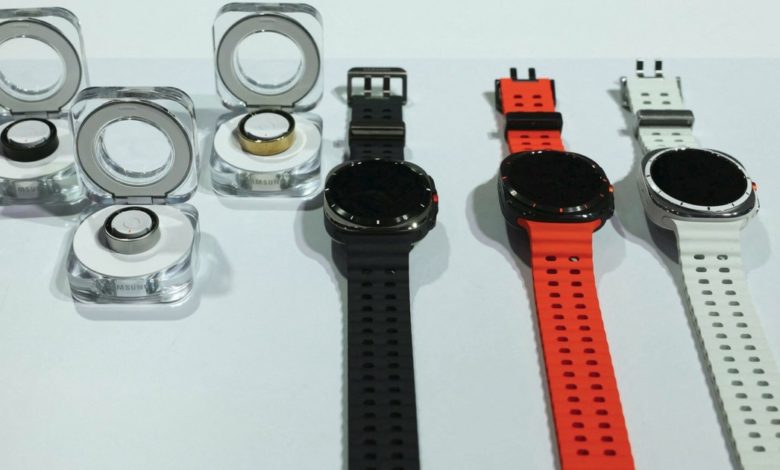
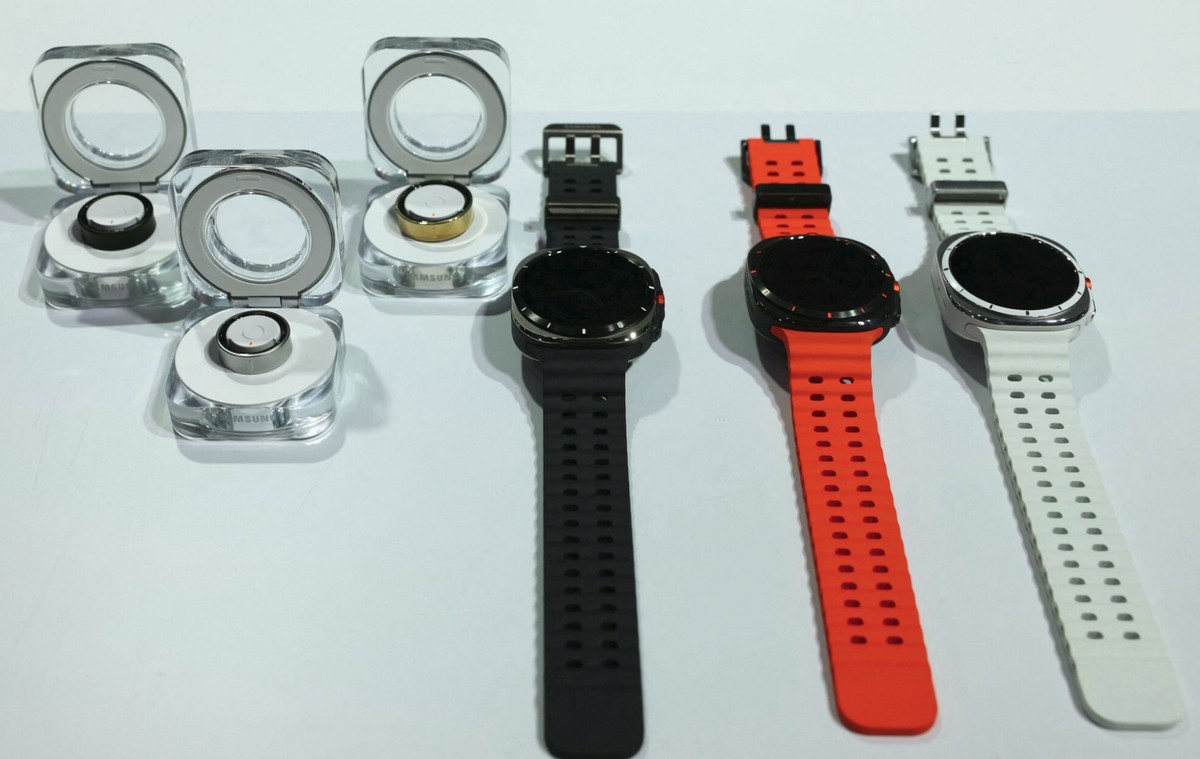
Dr. Hon Pak, head of Digital Health in Samusung, is responsible for the project. “The user should not have ten applications for managing one disease. Our task is to integrate experience in one ecosystem,” he emphasizes in an interview for Bloomberg.
The first step to realizing Samsung's vision is the update of the One UI 8 Watch system. The beta version, which took part in June in the USA and Korea, introduces measuring carotenoids in the skin (lighting the skin with a special light and subsequent analysis of how much it is reflected – the more carotenoids, i.e. antioxidants of fruit and vegetables, the less light returns to the sensor), analysis of night heart rate waves to calculate the load of vessels, running coach (The watch assesses the condition based on how far you run in 12 minutes – this is the Cooper test – and then selects training to your level) and the Bedtime Guidance algorithm, proposing the time of sleep on the basis of the last three nights.
The first two functions require the latest Galaxy Watch Ultra series, the running trainer is reserved from Watch 7 up, and some of the solutions are marked with the labs label, which suggests ongoing validation studies.
All readings are in the Samsung declaration wellnessnevertheless, the company is already conducting talks with clinical partners so that some of the metrics obtain the status of a class II medical device.
Read also: AMD vs Nvidia. The Helios ecosystem can change the balance of power centers
Data from a smartwatch in the healthcare system
Pandemia accelerated the acceptance of telemedicine. In the US, 74 percent In 2022, doctors used television, almost three times more than four years earlier. At the same time, the world is measured with the growing weight of chronic diseases – they are already responsible for 74 percent. all deaths.
Samsung perceives HUB as a response to both trends. He has automatically transmit key signals to the doctor (e.g. blood pressure, saturation, heart rhythm) and the patient remind you of the recommendations between controls.
In Europe, the initiative is part of the regulation of the European Health Data Space starting from March 26, 2025. EHDS introduces uniform interoperability and guarantees the patient the right to decide which data provides, to whom and for how long. If Samsung provides automated measurement exports in the EHDS format, it may gain an advantage in conversations with public healthcare systems. Especially in countries that are already investing in e-prescription and electronic patient's account, i.e. also in Poland.
Apple also sees a chance for himself. I plan to introduce hypertension to Watch Ultra 3 in autumn – For now in the form of an increased risk alert, without specific spasm and diastolic pressure. Google-Fitbit has had a patent describing “a non-balanced, optical-pressure BP module for a watch or ring since March.” Garmin, in turn, went towards classic diagnostics and in April expanded to new models the ECG application with a FDA certificate, allowing detect atrial fibrillation.
In this context, Samsung's movement is two -track. The company is working on its own non -invasive measuring pressure and glucose in the perspective of several years, but at the same time focuses on aggregation of data from many sensors today.
Check also: Ai does not go for your work – he is heading for your whole company. He is increasingly undermining the business models of even large corporations
Great business, but also challenges
According to Grand View Research, the global wearing sensor market (including smart rings and watches include) was worth $ 3.9 billion. in 2023 and grows at a rate of 13.5 percent annually. One -third of revenues comes from intelligent watches today. However, the closer to the medicine limit, the greater the certification costs and legal risk. In the US, FDA requires producers to present clinical data confirming security and effectiveness, and in the EU from 2028. Similar obligations will be introduced by the AI ACT Plus MD REGULATION. Therefore, each new biomarker means time -consuming patients' participation.
Samsung declares that he has 68 million active users of the Health application per month, which gives A rich set of behavioral data for training algorithms. The company is already conducting pilot programs with American clinical chains in which Galaxy watches monitor patients with type 2 diabetes after discharge from the hospital. Preliminary results show a decrease in re -hospitalization by several percentage points.
The Korean giant also has an idea for monetization. The basic version of the hub is to be free for the consumer, but Samsung is considering paid extensions – e.g. advanced PDF reports for EHR systems or asynchronous consultations. The second stream of revenues is B2B cooperation, e.g. private insurance in the USA, they already pay extra to the equipment if the customer agrees to transfer data on physical activity. In Europe, a similar model is tested by German sick funds for DIGA application users.
If Samsung's hub facilitates the authorized exchange of data with a GP, It can become a natural partner for payers in cardiovascular prevention programs.
See also: VEO 3 conquers the internet. The movies created by AI have even cinema quality
Technology is just the beginning
For the ecosystem to work, three pillars are needed: reliable sensors, interoperable API and a change in the patient's habits. The first two are on the side of the electronics manufacturer, the third requires education and motivation.
Dr. Pak admits that Even the best algorithm will not help if the user puts the watch into the drawer after a week. That is why they are part of the UI 8 Watch. Behavioral stimuli – short hints that appear when the application notices a deviation from the doctor's or training plan.
What next? The first version of the hub is to be made available to developers in a closed beta mode in the first quarter of 2026, and the public premiere is planned “before the end of the decade”. Until then, Samsung wants to transfer some of the sensors to the Galaxy Budsse headphones. According to the PAK, bone conduction in the ear canal can provide more accurate blood pressure data than photopletyism (non -invasive blood flow measurement method, using light to detect blood volume changes in tissues) in the wrist.
If these ambitions materialize, Competition in the segment of broadly understood digital therapies will move from the wrist to the user's whole body. In addition, the Galaxy Korean ecosystem will then become one of the most important players at the intersection of consumer technology and medicine. The company will then tempt customers to buy gadgets not because they have larger screens or faster processors – it will be able to convince that the user after purchase will simply become healthier and it will not be just a marketing slogan without coverage.
Author: Grzegorz Kubera, Business Insider Polska journalist