NATO states have agreed to increase the defense budgets up to 5% of GDP / which country has obtained an exception

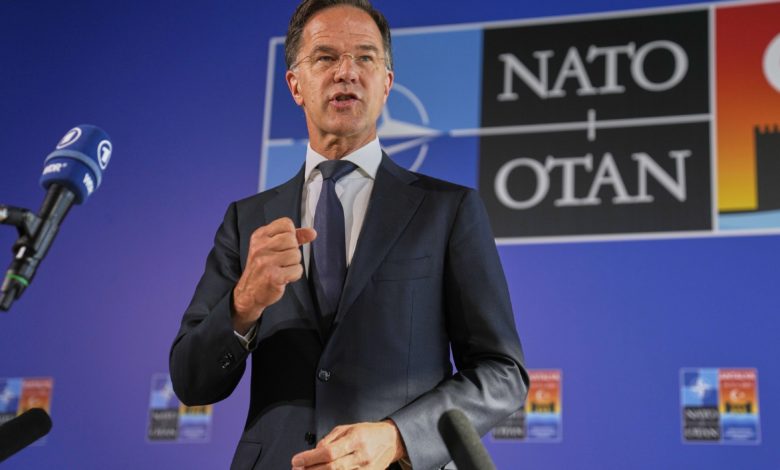
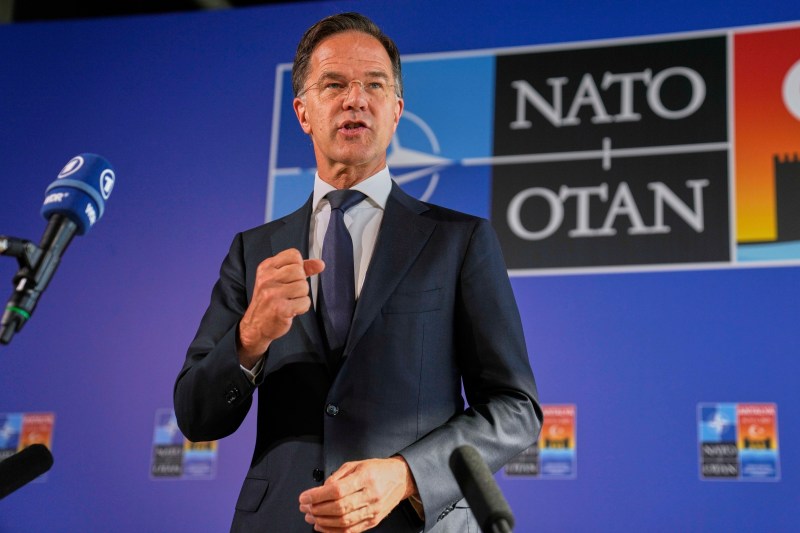
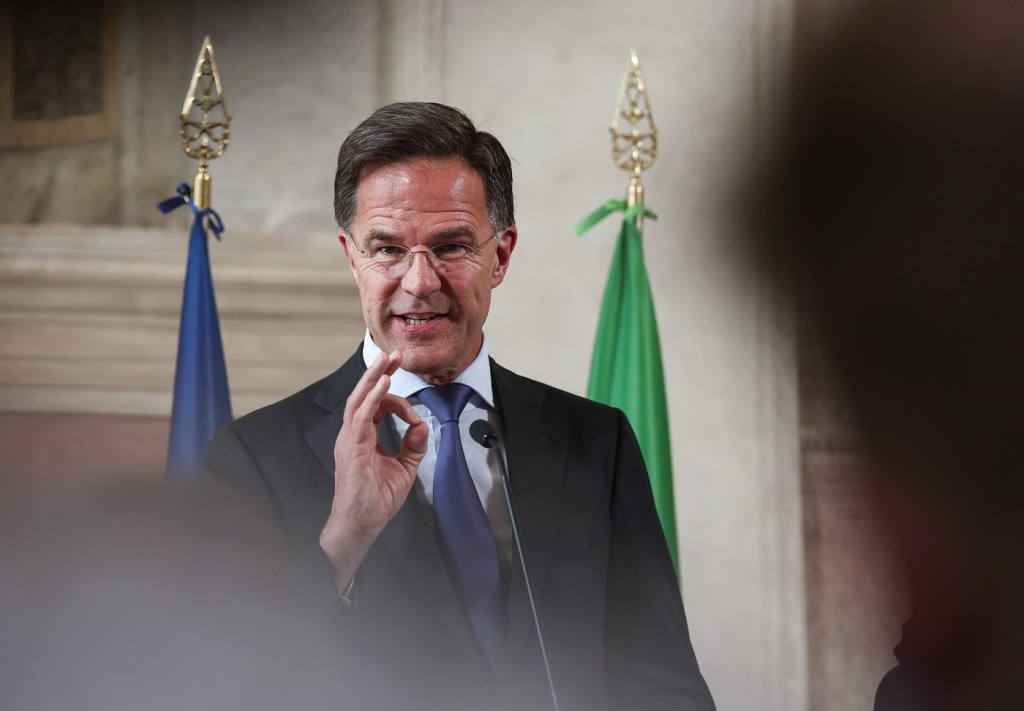
The Secretary General of NATO Mark Rutte, photo: Khalil Hamra / AP / Profimedia Images
NATO Member States, which meet at a Hague summit on Tuesday, gave their agreement on the gradual increase of defense expenses to 5% of GDP until 2035, after Spain, which rejected this proposal made by the Alliance Secretary General, Mark Rutte, has obtained an exception.
The negotiators of the 32 NATO member states have formulated this last version of the agreement to be signed at the summit and allow the considerable increase of the arming expenses, but which will take into account the objections expressed by Spain.
The agreement thus agreed to increase from 2% of GDP to 3.5% of GDP of the commitment of Member States for strictly military expenses, plus 1.5% of GDP for security expenses in a broader sense, according to the proposal already advanced by NATO Secretary General, Mark Rutte.
 A large NATO country in Europe rejects the increase of military expenses proposed by the Alliance: “It's irrational”
How much will Spain allocate
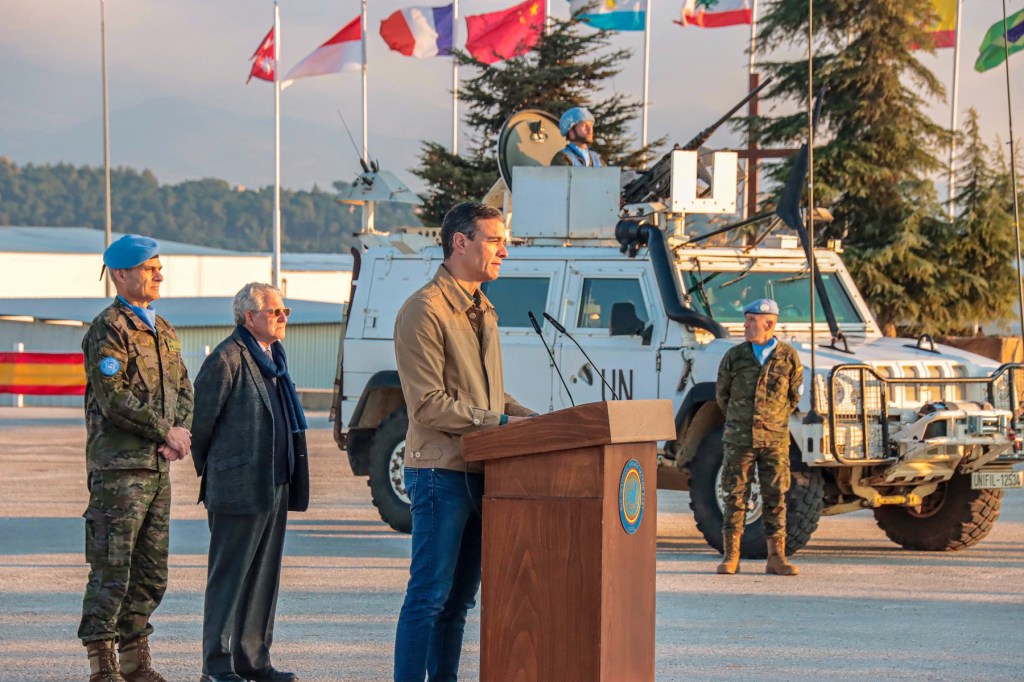
The Spanish socialist prime minister, Pedro Sanchez, who rejected this proposal, describing it as “not only irrational, but also counterproductive,” announced on Sunday in front of the press the compromise he obtained. Thus, he said, Spain will allocate 2.1% of GDP, “no more, no less”, estimating that this level of military expenses will be sufficient to fulfill its obligations to NATO. A percentage of 5% of GDP for defense would be “disproportionate, unnecessary” and incompatible with ensuring social benefits, explained the Spanish Prime Minister.
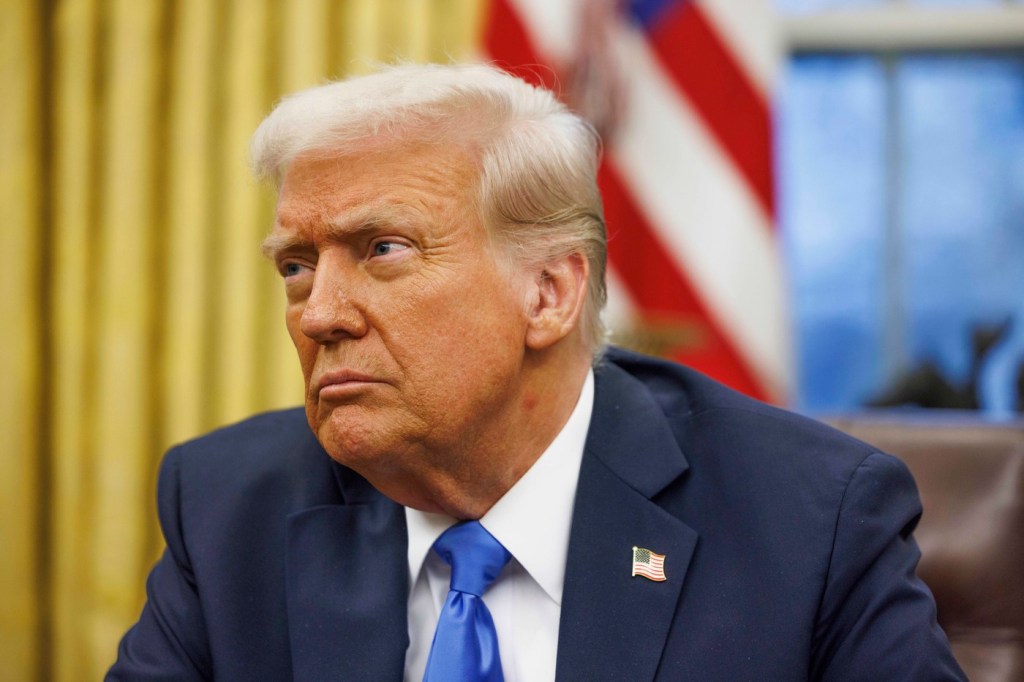
US President Donald Trump has asked NATO's European members to increase their defense budgets to 5% of GDP, well over the current 2% of GDP, nor it reached by 9 of the 32 Member States of the Alliance.
 Trump's attack on a European country: “They have always paid very little.” Reason to irritate US President
Therefore, the Secretary General of NATO, Mark Rutte, who in January suggested to the alliance Member States to increase military expenses by diminishing those for pensions, health or social assistance, officially proposed that the leaders of these states accept at the next week's summary the increase of defense budgets to 5% of the GDP, but for 3.5% of the GDP in related sectors, such as infrastructure, cyber defense, etc.
He stated that, unlike the case of the agreement in 2014, when the Allies established to increase their defense budgets up to 2% of GDP in a 10-year-old horizon, the objective it pursues at this month's summit is for the Member States to engage in “annual plans indicating the growth (of the defense) for the end of the year, for the end of 5%, so as to reach the no. plus 1.5%”.
The Secretary General of NATO claimed that it cannot be said that “there is no money” for arming and asked the leaders of the Member States to explain this to their own citizens. “That is why they are politicians, to present the facts of their peoples and tell them: we have rich societies, we can do this. But if we do not act now, in the next three years we will be fine, but (…) over three, four or five years, we will be threatened,” believes Mark Rutte.
 The head of NATO is “confident” in an agreement on defense expenses at the NATO / Italy summit says it would need 10 years to comply