True treasures of nature in the Carpathian Mountains: aromatic plants, berries and mushrooms sought in summer

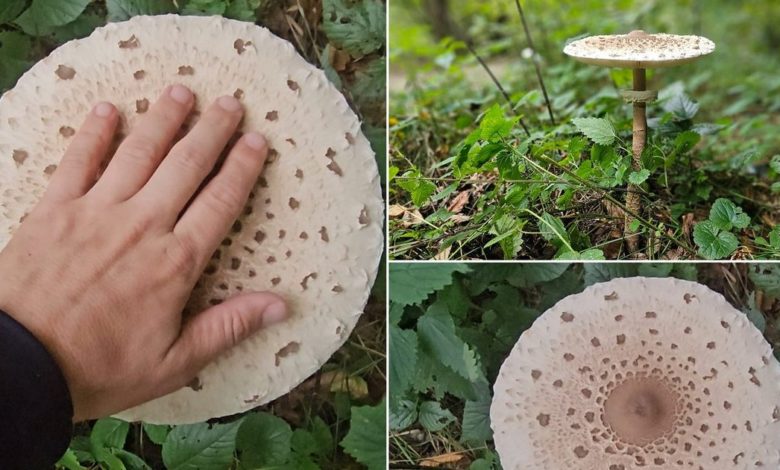
The forests and meadows in the Carpathian Mountains retain valuable resources: numerous species of medicinal plants, berries and edible fungi that can be collected during the summer.
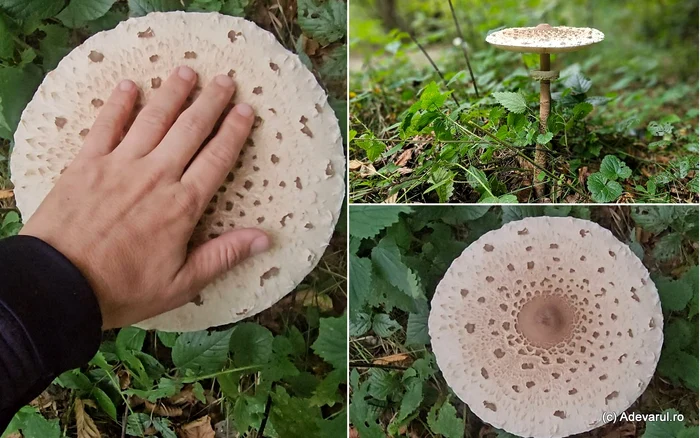
The snake hat, one of the mushrooms appreciated by Romanians. Photo: Daniel Guță. TRUTH
The forests and meadows in the Carpathian Mountains retain valuable resources: numerous species of medicinal plants, berries and edible fungi that can be collected during the summer.
Fruit Fruit, Carpathian Natural Treasures
Many Romanians can supplement their income from the harvesting and marketing of “green treasures of nature”, that is, the wild fruits that grow on the alpine meadows and in the Carpathian forests, on the edge of villages and mountain cities. Summer is the good season to collect them and then, numerous parking lots on the roads in Romania, especially in the mountain areas, are occupied by the locals who sell the berries, the mushrooms and the aromatic plants collected from the surroundings of their villages.
The berries are considered the most important plants that grow in the Romanian Mountains. They are sought by humans, but they are also an important source of food for wild animals.
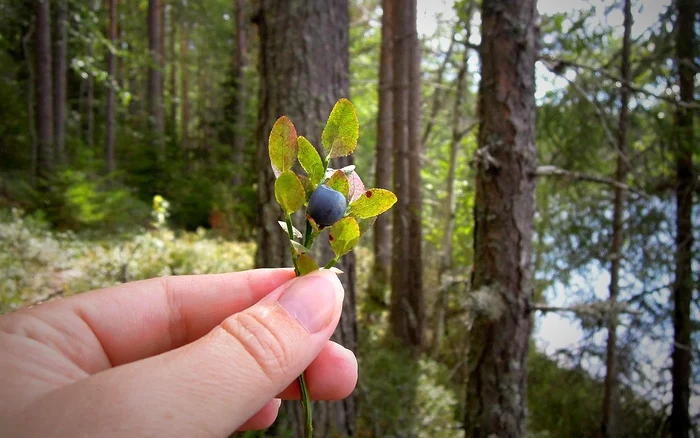
Blueberries. Photo: pixabay.com
According to the National Forest Administration – Romsilva, over 3,000 tons of berries from the spontaneous flora of Romania are offered annually, which can be certified as ecological agri -food products. The main species of berries that are used are: blueberries, raspberries, blackberries, bullshit, bumps, pigeons, hawthorn fruits, etc.
“After the purchase, the products are transported to the processing centers, where they are sorted and preserved to keep their qualities unaltered. The berries are used both on the external and internal market, in large quantities, in frozen or refrigerated, in various packaging. of the berries in the Carpathians of Romania ”, informs Romsilva.
Romania is one of the few countries in the world where there are wild blueberries, according to specialists. Blueberries (Vaccinium Myrtillus) can be collected from July, from Alpine meadows and coniferous forests. The Retezat and Făgăraș Mountains are well -known areas for the abundance of wild blueberries.
“Blueberries can be harvested mainly from the upper mountain pastures. The species, being sensitive to shading, does not fruition abundantly. shows the forestry.
The delicacies of wild lands
Wild blueberries can be recognized by elliptical leaves and round, blue fruits. Rich in antioxidants, they are also known for the benefits on vision and circulation, but also as delicacies, being sought in commerce, despite their high price compared to other fruits.
Raspberry bushes (Rubus Idaeus) are usually found in Poieni and sunny slopes, and their fruits can be collected from July to the end of summer. The Apuseni Mountains, the area of Harghita and Prahova are places with tradition in harvesting these fruits. Raspberry is a natural source of vitamins and fibers and is sought for its taste.
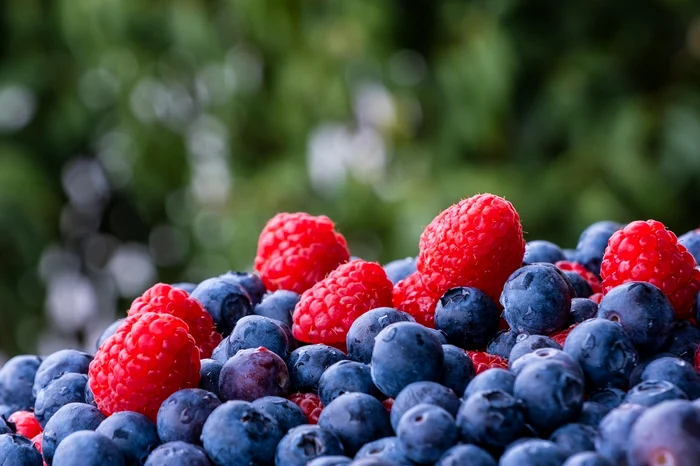
Raspberries and blueberries. Photo: pixabay.com
The blackberries (Rubus fruticosus) can be collected in the months of July – August from the bushes that grow on the edge of the Carpathian forests. The Apuseni and Făgăraș Mountains are places where the shrubs have adapted. The black, glossy fruits are easy to recognize. They have a sweet-sour taste, are rich in antioxidants and can be used in syrups and jams, but also in traditional medicine, as a natural anti-inflammatory.
The strawberries (Fragaria Vesca) grow in Luminis and Poieni Montane, especially in Apuseni, Maramureș and Făgăraș, and can be collected from June to early July. They are easy to recognize: they have small, trifoliated leaves and red, scented, soft fruits, appreciated for their aroma and high content of vitamin C and antioxidants.
Hippophae rhamnoids) plants have lit orange fruits and are found on mountain meadows. The fruits are harvested because of the spines, but are known for the high content in vitamin C, omega and antioxidants. Cătina is one of the most popular plants in the natural pharmacy.
Medicinal plants that adorn the mountains
The medicinal plants in the spontaneous flora that grow in the forests of Romania are varied: the tail-tail, the crest, the leaf, the chamomile, the pelin, the sound, the nettle, the birch leaves, the buds and the hawthorn flowers, the acacia flowers, the shock and the shock. Annually, according to Romsilva, over 500 tons of medicinal plants are collected.
One of the popular aromatic plants in the spontaneous flora of the Carpathians is the mountain thymus. It appears in the form of small, creeping bushes, with pink-liliachi flowers and intense perfume, and can be picked from May to late autumn. It is used both as a natural remedy for cold and digestion teas, as well as as an aromatic plant to give flavor to traditional dishes. The Dacians knew this plant under the name of Mozula, according to the ancient historian Dioscoride.
“Everyone knows Thyme. It is a shrub with many small branches, with many narrow leaves and small purple flowers. It usually grows in rocky and barren places. Prepared as a drink with salt and vinegar is used for the stomach. Applied in mixing with wine, it fights the pain of the hips, and next to the meat, it helps it.Dioscoride wrote in “Medical Material”, a work that was reissued in 1933 in New York.
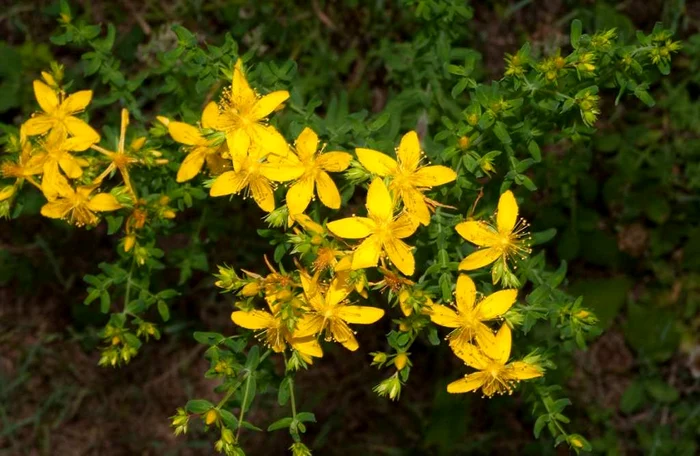
Sound. Photo: agricultural news
The sound (Hypericum perforatum), with the yellow flowers sprinkled with black spots on petals, grows in meadows and on the edge of the mountain roads, in the Eastern and Apuseni Carpathians. Its flowers can be collected between June -August. The sound is one of the most used medicinal plants in Romania, the teas being recognized for the antidepressant, healing and anti -inflammatory effect.
The shock (Sambucus nigra) grows spontaneously in humid mountain areas, on the edge of the forests. Its white and scented flowers appear in May -June, and the black fruits are baked in August. Flowers are used for shock and antiviral teas, and fruits, rich in antioxidants, can be used in syrups, with the mention that they are not consumed raw.
Hribs, the most popular summer mushrooms
Edible mushrooms (Hribi, Gălbiori, Ghebe, Truffles and many other species) – are some of the most appreciated natural products in the spontaneous flora of the Romanian forest fund, informs Romsilva.
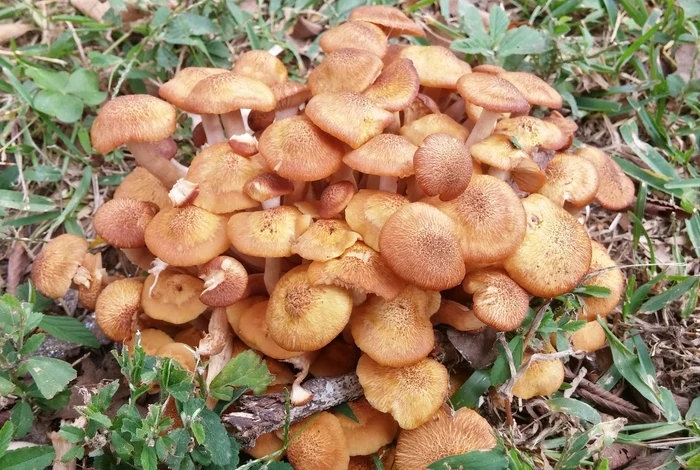
Edible mushrooms. Photo: Romsilva
Hribii (Boletus Edulis) are the most popular of the sponges that grow in the forests of Romania. They can be recognized after the brown hat and the thick foot and can be harvested, especially in July, from beech and spruce forests, in massifs such as Retezat, Făgăraș or Rodnei. They have a special aroma and can be consumed after drying, fried or in traditional dishes.
However, in the case of fungi, specialists draw attention to the risks associated with their collection or purchase from traders on the roadside.
“Avoid consuming mushrooms or sponges from traders who cannot prove the phytosanitary opinion. Avoid collecting and consuming fungi or sponges in the forest, even if you know them as edible, because many edible mushrooms in our country's spontaneous flora have suffered mutations and have children. Very serious, even lethal poisoning, do not feed them with mushroom-based dishes ”, warns the Iași Public Health Directorate.