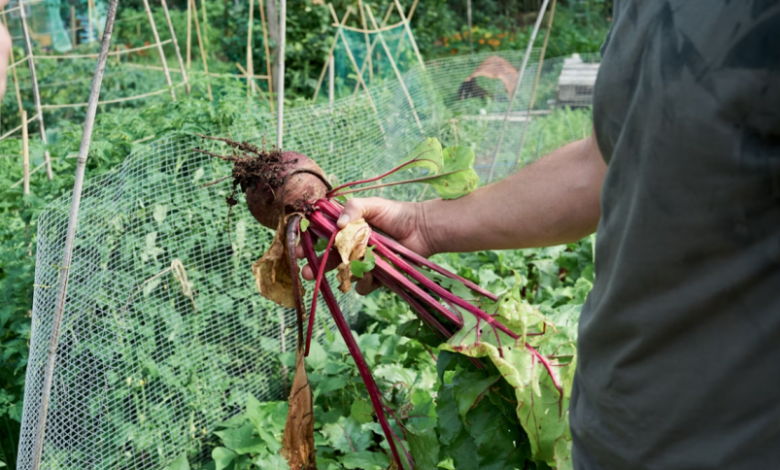
Many summer residents, out of habit, spill beets, like potatoes, thereby hoping to improve the crop. But this approach is a serious mistake. Instead of benefit, it causes tangible harm to the plant and can deprive you of delicious and even root crops.
Features of beet growth
Unlike potatoes, beets do not form tubers on underground shoots. Its root crime is the thickening of the main root, and it is the upper part of it, the so -called “shoulder”, forms the main volume. It is almost always on the surface, peering slightly from the ground.

What is the danger of hilling
If you pour the earth to the base of the plant, the “shoulder” is under the soil layer. In response to this, all the beets do not go to the development of the root, but to the emergency growth of the point of the formation of leaves up to the light.
The root crop is stretched, loses its shape, covered with thickenings and may begin to branch. Its upper part, finding himself in dampness and darkness, rudes, loses its taste, is covered with a hard skin. When cleaning, such fruits often stick out, look uneven and spoil from rot.
The most dangerous is to do this in June, during an active growth. Enchanting in this period can cause the greatest damage. The plant experiences stress, the natural rhythm of the formation of the fetus is lost.
How to replace the hilling
Proper care for beets in the summer does not require hilling. The first is regular loosening. After watering or rain, carefully break the crust on the surface, trying not to damage the roots. This will improve air exchange and prevent moisture stagnation. The second is mulching. A small layer of grass or compost around the root crops retains moisture, protects the top from overheating and reduces the number of weeds. Third – watering. Beetroot does not tolerate drying out. It is especially important in the heat to water it abundantly and regularly.
Do not repeat the mistakes of the past. Methods of caring for it differ from growing potatoes. Forget about hilling, as it does not improve, but spoils the crop. Choose the right approach and get strong, juicy and sweet root crops.