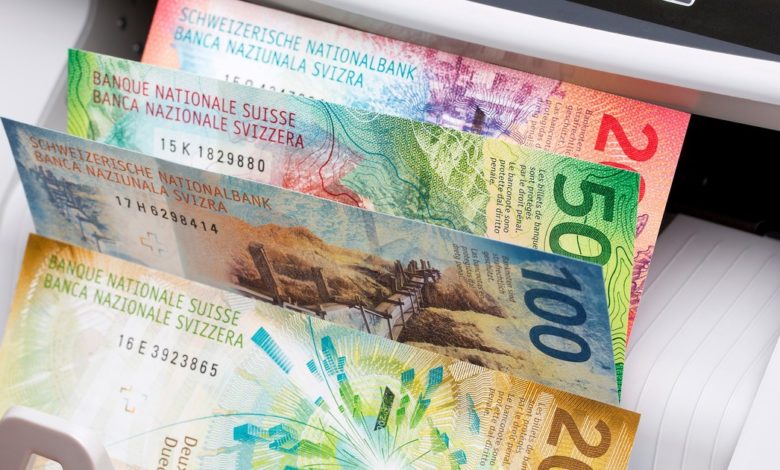

The decision was made on the question of a preliminary ruling of the CJEU by the District Court in Krakow. The Polish court considers cases in which the bank and the consumer reach mutual claims after annulment of the mortgage agreement indexed to the Swiss franc.
See also: Banks and franchisees are happy. On whose side did the CJEU stood?
The CJEU questioned the so -called The theory of two condition, according to which after annulment of the contract, the bank may claim the entire loan amount paid from the consumer, regardless of the repayments made. The Court decided that this approach violates the provisions of the EU directive on dishonest conditions in consumer agreements.
The decision was made on the question of a preliminary ruling of the CJEU by the District Court in Krakow. The Polish court considers cases in which the bank and the consumer reach mutual claims after annulment of the mortgage agreement indexed to the Swiss franc.
The Tribunal also referred to the obligation to grant immediate enforceability to judgments that award claims to the banks recognized by consumers. According to the CJEU, automatic rigor can expose the consumer to serious financial consequences and discourage him from claiming his rights. In such cases, domestic courts must apply a law in a way that does not weaken the protection of EU law.
The CJEU emphasized that national courts are required to use all means that will avoid particularly harmful effects on consumers.
The verdict is important for thousands of matters of franc loans in Poland.