Life on Mars. People will live in huge “spatial oases” on the Red Planet in just 15 years, the European Space Agency envisages

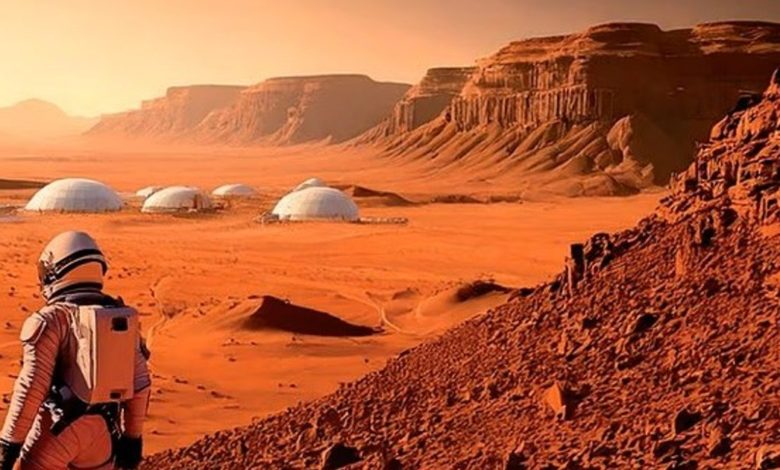
The European Space Agency announces an ambitious vision for 2040: permanent habitats on Mars, autonomous technology and infrastructures built directly in space. Behind the enthusiasm, however, the current reality shows a considerable gap.
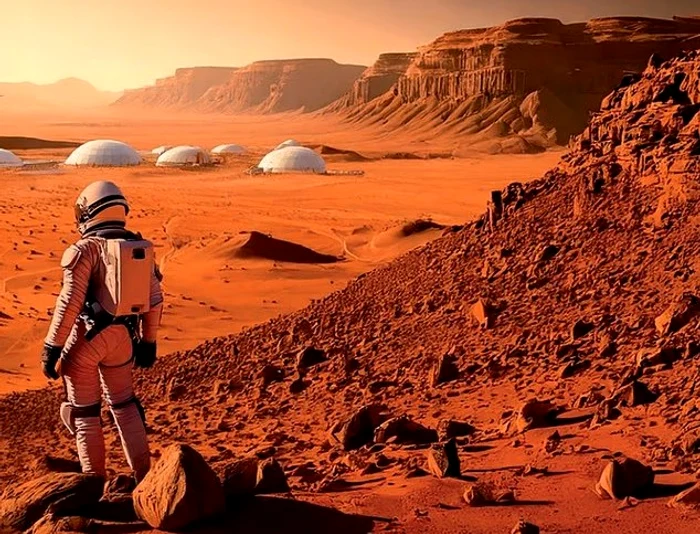
White Domes on Mars/Photo: ESA
Humanity could become a multiplanetary species in less than two decades, says the European Space Agency (ESA) in a new strategic report launched under the title Technology 2040. According to the vision, people will live until 2040 in “spatial oases”-autonomous domes, capable of producing food, energy,
Far from being just a science-fiction imagination exercise, the official document of the ESA proposes concrete technological scenarios, based on developments in progress or in a research phase: robots that explore the surface of the red planet without direct human support, vessels and telescopes assembled directly in the space, interplanetary data networks and an economy.
White habitats, raised food under domes and total autonomy toward Earth
The white domes that appear in the ESA illustrations are presented as the response to the challenges of a hostile cosmic environment: extreme temperatures, dangerous solar radiation and lack of direct resources. They will function as closed ecosystems, with their own energy generators, greenhouses with edible plants – from potatoes and tomatoes to algae and mushrooms – and advanced protection against the impact with meteorites or contaminating martian dust.
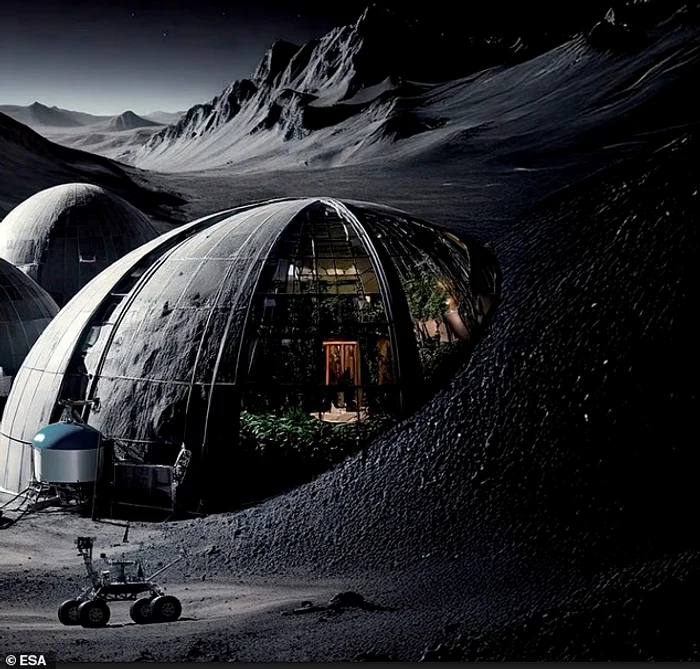
ESSA engineers propose “smart” materials for insulation and continuous risk monitoring technologies. Also, ships and research tools will operate more and more autonomous, without the intervention of soil control – in the spirit of an independent interplanetary infrastructure.
In parallel, asteroids and comets could become sources of raw materials, and the construction of space infrastructures, such as telescopes or orbital stations, would take place directly in space, avoiding the constraints of launch missions.
Although the ESA vision is coherent and well argued, the question remains whether the 15 -year term is realistic. Currently, the farthest distance reached by man remains the 1970 record of the Apollo 13 – about 400,000 km of land. Mars, on the other hand, are at an average distance of 140 million kilometers. So far, the only human presence on Mars is abandoned.
NASA and Spacex projects aimed at sending people to Mars in the next two decades are still in early stages. The Starship ship, considered the most promising vehicle for such a mission, suffered an explosion during a recent test in Texas – a reminder of the complexity of this challenge.
Mars, a planet with water – but hard to use
A key element of colonization is water access. Recent data transmitted by the Mars Express probe suggests the existence of an ice layer over 3.7 km thick in the Equatorial region Medusae Fossae Formation. If it were melted, this water would cover the entire planet with a layer of almost 3 meters deep – enough for the needs of the first human communities.
But the transformation of this reserve into a usable resource implies an extremely sophisticated drilling and processing infrastructure, under conditions of temperature and hostile pressure. It remains uncertain if such a technology can be successfully developed and tested by 2040.
Permanent exploration, but at what price?
The ESA report clearly emphasizes: the future of exploration is no longer just an option, but a necessity. The agency talks about “space as territory”, not just a border – a shade that reflects the growing geopolitical ambitions of global spatial actors.
But the logistical, technological and ethical challenges remain major. From the protection of human life into extreme environments to avoiding the transformation of space into a new source of conflict or pollution, the road to “Martian oases” will be long and sprinkled with obstacles.