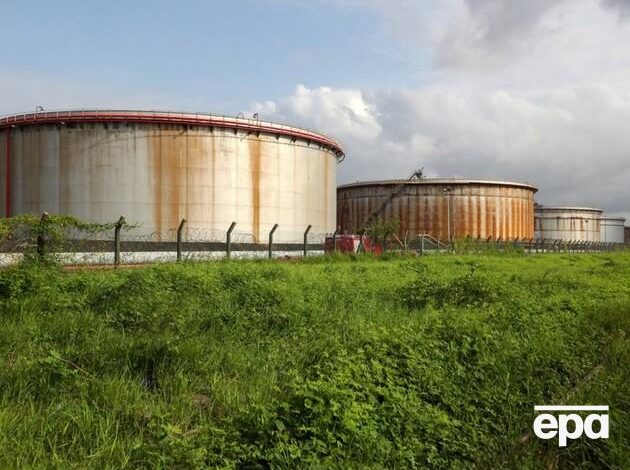
Places of oil storage on the Harg Island have floating roofs that rise and fall as they are devastated and filled, which allows you to evaluate how much they contain, studying their shadows, the publication says. Pictures of June 11 show that in almost all large roof tanks were significantly lower than the upper part of the walls. This means that the tanks were filled only partially.
Photos of June 18, a few days after the start of Israel of their attacks, show that there are no such shadows. According to Bloomberg, this indicates that the roofs are now located at the edge of the walls of the tanks, that is, they are filled to the top. At the same time, the shadows from the reservoirs on Earth next to them are visible – this suggests that the lack of shadows inside is not related to a lack of sunlight. Oil in Harg is more vulnerable to attacks than cargoes on ships, the agency notes.
Samir Madani, co -founder of Tankertrackers.com, which specializes in the monitoring of secret oil trade in Iran and other countries using satellite images, confirmed that he also saw the “growth of raw oil on the island.” According to Madani, the export of Iranian oil increased sharply after the country was attacked by Israel. According to Tankertrackers.com, in five days from the beginning of the attacks on June 13, the country exported an average of 2.33 million barrels per day. This is 44% more than on average for the year until June 14.
Bloomberg believes that Iran is trying to pump as much oil as possible from the country's internal regions to tankers in the sea, and the oil storage on the Harg Island is an intermediate link. If oil can be overloaded to ocean tankers, this guarantees Tehran the continuation of cash receipts for at least for some time, the publication says.